
MRICS
Chartered, regulated by RICS
2013
Qualified surveyor since
London & SE
Coverage across the region
1200+
Instructions completed
98%
Customer satisfaction
2020
Incorporated
Ayling Associates provides chartered building surveying services in London for clients who need clear advice on building condition, defects, commercial property risk, lease liabilities, and practical next steps. Whether the instruction relates to acquisition, occupation, maintenance planning, or dispute prevention, the aim is to give you reporting that is technically rigorous and commercially useful.
London service focus
Commercial Property Advice
Commercial surveying advice for occupiers, landlords, investors, and asset managers who need technically sound reporting to support acquisition, occupation, or lease strategy.
Explore commercial surveyingLondon service focus
Dilapidations
Dilapidations advice for landlords and tenants dealing with lease-end liability, schedules, quantified demands, negotiation, and technical review of repair obligations.
Explore dilapidations adviceLondon service focus
Party Wall Matters
Party wall procedures for building owners and adjoining owners, including notices, appointments, schedules of condition, and awards before works start.
Explore party wall servicesLondon service focus
Schedules of Condition
Schedules of condition for lease commencement, pre-works evidence, and later protection where an accurate record of existing condition matters.
Explore schedules of conditionLondon surveying support
Practical advice from chartered building surveyors in London
Clients usually need more than a generic survey. They need to understand what the building is doing, what the likely liabilities are, which issues are urgent, and what action makes sense next. That applies whether the property is residential, commercial, leasehold, or part of a wider investment decision.
Our role is to inspect carefully, diagnose issues properly, and translate technical findings into advice you can actually use, whether that means renegotiating, planning repairs, managing risk, or moving forward with more confidence.
Why clients choose us
- London office at 3rd Floor, 86-90 Paul Street, EC2A 4NE.
- RICS-regulated chartered surveying practice.
- Commercial and residential building instructions across London and the South East.
- Clear reporting built around defects, liability, and next-step decisions.
Key Services
Common London instructions
These are the core service areas clients usually need when the issue involves lease exposure, neighbouring works, or clear evidence of building condition.
Lease-end claims
Dilapidations
Landlord and tenant advice on schedules, quantified demands, lease interpretation, and negotiated settlement.
Explore DilapidationsNeighbourly matters
Party wall matters
Notices, adjoining owner response, schedules of condition, awards, and practical support before works start.
Explore Party wall mattersLease protection
Schedules of condition
Condition recording for lease commencement, pre-works evidence, and later protection against dispute over pre-existing condition.
Explore Schedules of conditionChartered surveying services in London

Our Approach
An ethical approach to every undertaking
Ethics
We are regulated by the Royal Institution of Chartered Surveyors and professional ethics are central to our ethos.
Efficiency
As an RICS Tech Partner we build surveying software, including in-house tools that shorten the gap between site inspection and issued report.
Integrity
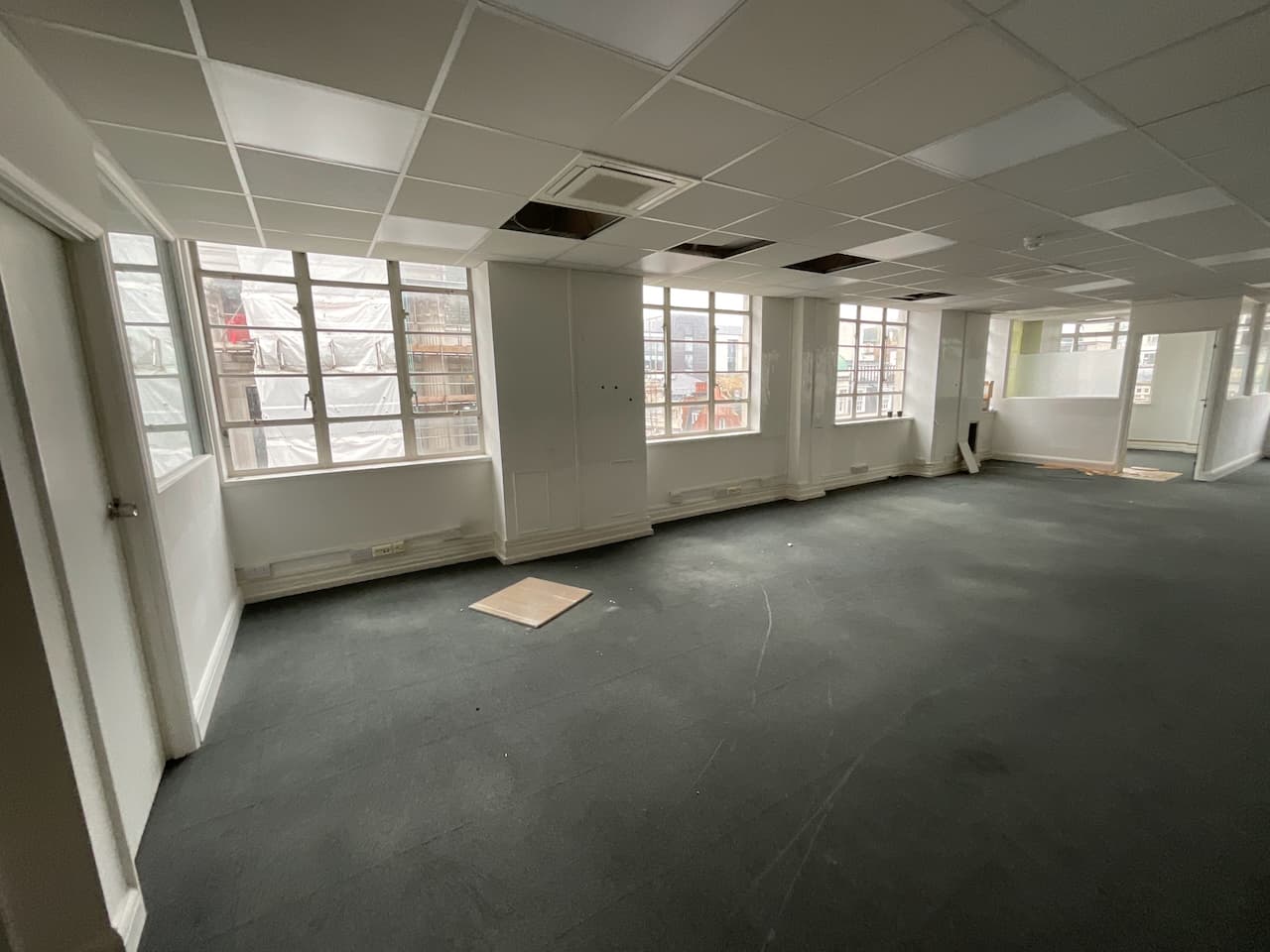
Advice is given against the lease and the evidence on site, not against the outcome a client prefers. Where a defect is overstated or outside tenant liability, we say so in writing.
Sustainability
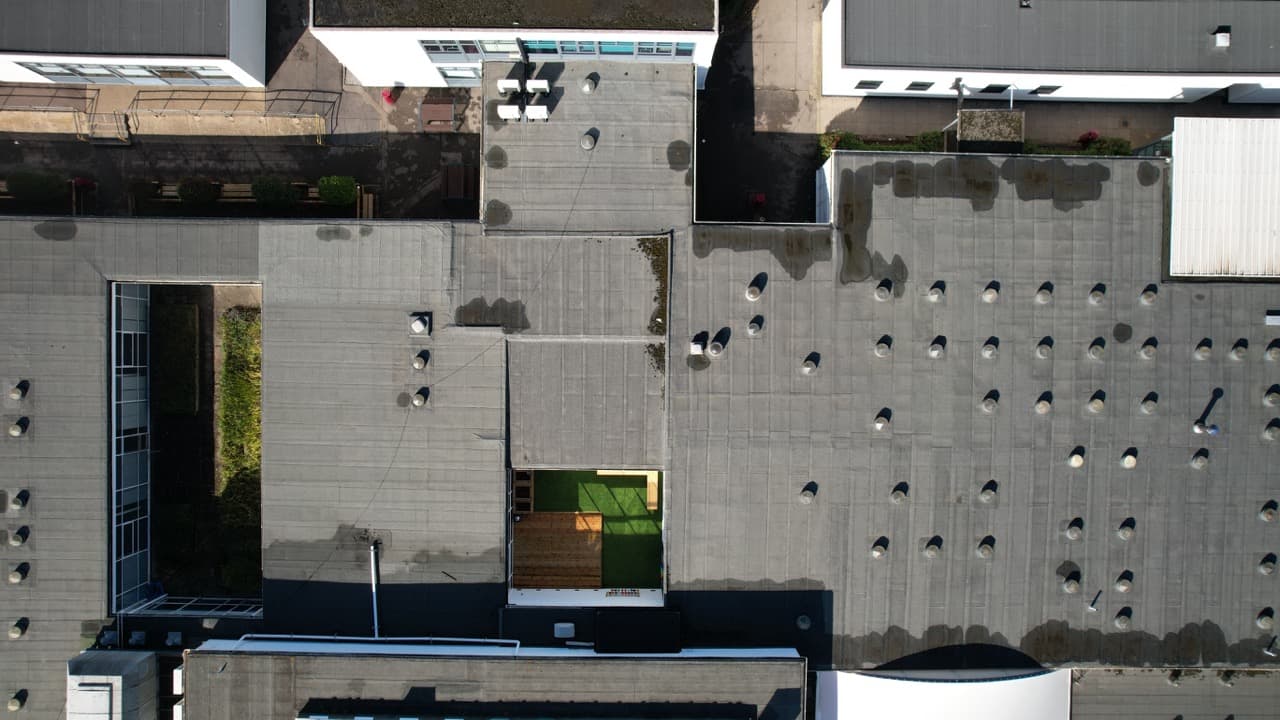
Inspection routes are planned to limit site visits. Reports are delivered digitally and reuse photographs and CAD data already gathered for the survey.
Social Media Feed

AAL Chartered Surveyors
2026-04-10 20:30:33 British local time

Where Roof Design Meets Condensation Risk
Two timber-framed roof lanterns formed part of a recent external inspection we undertook on a mansard roof in West London. Both featured single glazed elements, limited overhangs, and decorative paint finishes in p...... Read more
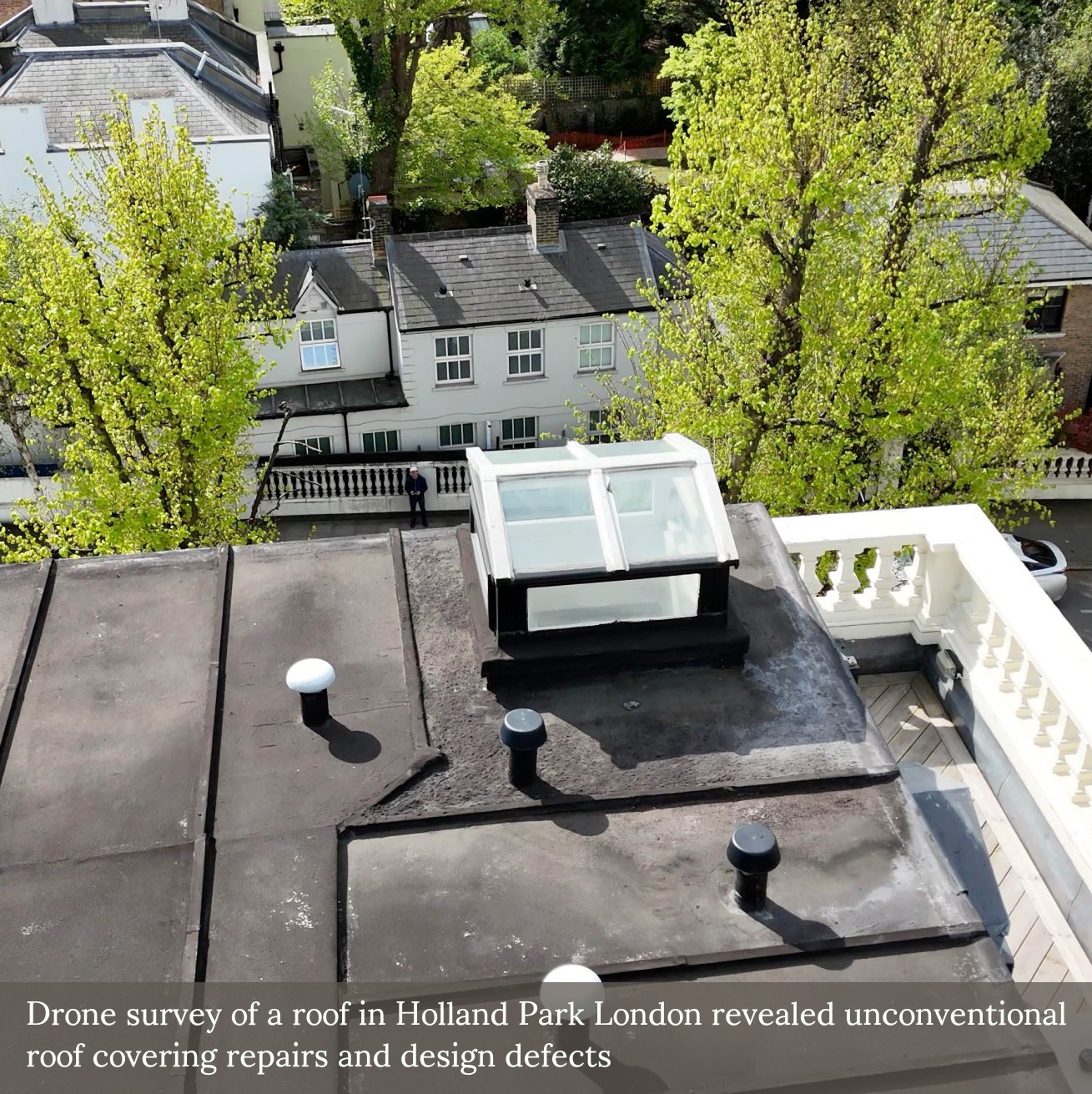
Two timber-framed roof lanterns formed part of a recent external inspection we undertook on a mansard roof in West London. Both featured single glazed elements, limited overhangs, and decorative paint finishes in poor condition.
The presence of condensation to internal glazing, along with signs of historical repair and timber exposure, highlights a common set of issues—particularly in traditional or poorly detailed roof structures.
Where single glazed rooflights are retained in occupied spaces, internal dampness is frequently the result of thermal bridging or trapped moisture, rather than rainwater penetration alone.
In such cases, replacement offers the opportunity to introduce modern, thermally efficient materials and more robust junction detailing—reducing risk and improving long-term performance.
AAL Chartered Surveyors
2026-04-10 11:40:23 British local time
Where Roof Design Meets Condensation Risk
Two timber-framed roof lanterns formed part of a recent external inspection we undertook on a mansard roof in West London. Both featured single glazed elements, limited overhangs, and decorative paint finishes in p...... Read more
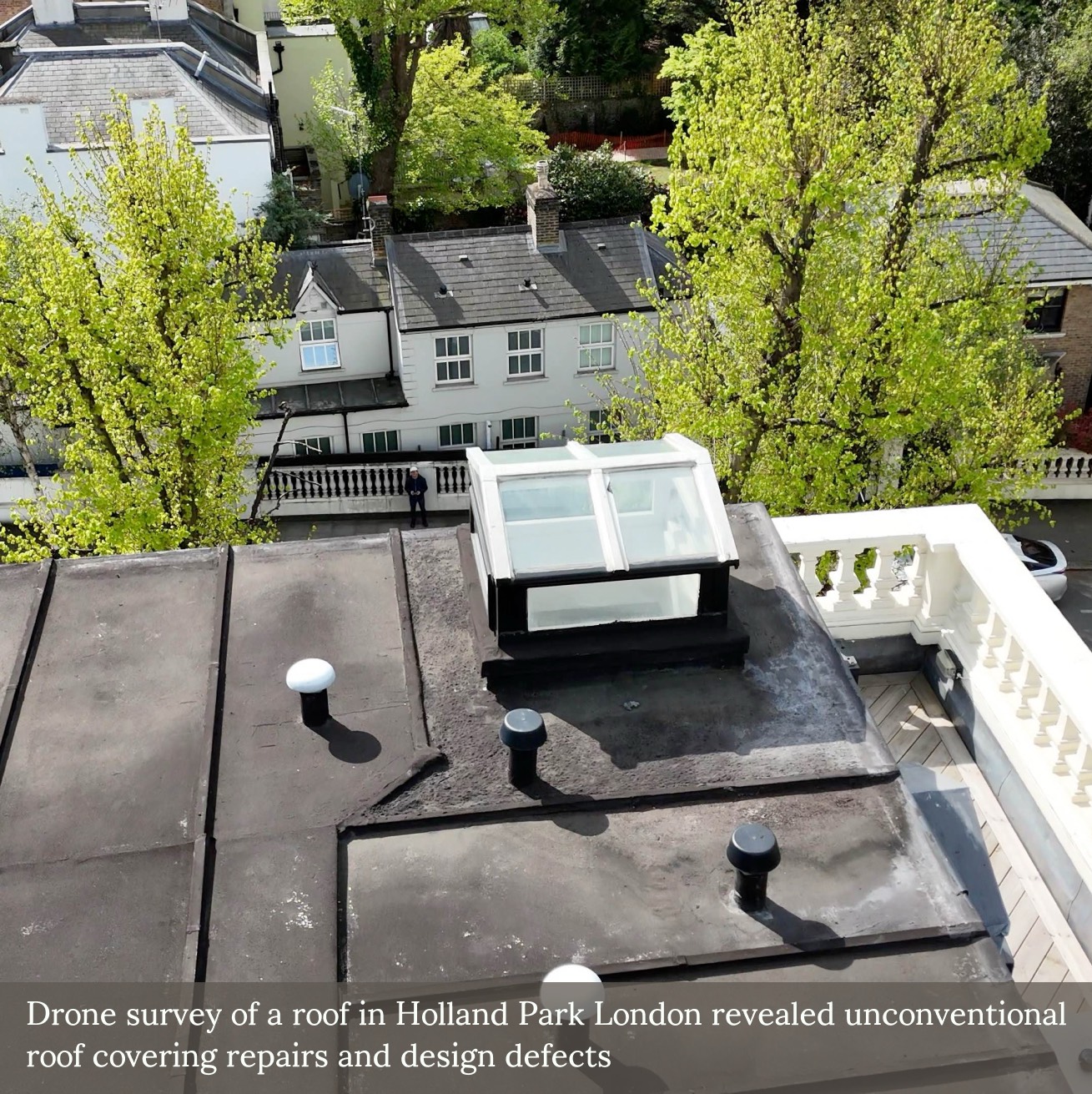
Two timber-framed roof lanterns formed part of a recent external inspection we undertook on a mansard roof in West London. Both featured single glazed elements, limited overhangs, and decorative paint finishes in poor condition.
The presence of condensation to internal glazing, along with signs of historical repair and timber exposure, highlights a common set of issues—particularly in traditional or poorly detailed roof structures.
Where single glazed rooflights are retained in occupied spaces, internal dampness is frequently the result of thermal bridging or trapped moisture, rather than rainwater penetration alone.
In such cases, replacement offers the opportunity to introduce modern, thermally efficient materials and more robust junction detailing—reducing risk and improving long-term performance.
AAL Chartered Surveyors
2026-04-10 11:32:43 British local time
Where Roof Design Meets Condensation Risk
Two timber-framed roof lanterns formed part of a recent external inspection we undertook on a mansard roof in West London. Both featured single glazed elements, limited overhangs, and decorative paint finishes in p...... Read more
Two timber-framed roof lanterns formed part of a recent external inspection we undertook on a mansard roof in West London. Both featured single glazed elements, limited overhangs, and decorative paint finishes in poor condition.
The presence of condensation to internal glazing, along with signs of historical repair and timber exposure, highlights a common set of issues—particularly in traditional or poorly detailed roof structures.
Where single glazed rooflights are retained in occupied spaces, internal dampness is frequently the result of thermal bridging or trapped moisture, rather than rainwater penetration alone.
In such cases, replacement offers the opportunity to introduce modern, thermally efficient materials and more robust junction detailing—reducing risk and improving long-term performance.
AAL Chartered Surveyors
2026-04-10 11:27:03 British local time
Where Roof Design Meets Condensation Risk
Two timber-framed roof lanterns formed part of a recent external inspection we undertook on a mansard roof in West London. Both featured single glazed elements, limited overhangs, and decorative paint finishes in p...... Read more
Two timber-framed roof lanterns formed part of a recent external inspection we undertook on a mansard roof in West London. Both featured single glazed elements, limited overhangs, and decorative paint finishes in poor condition.
The presence of condensation to internal glazing, along with signs of historical repair and timber exposure, highlights a common set of issues—particularly in traditional or poorly detailed roof structures.
Where single glazed rooflights are retained in occupied spaces, internal dampness is frequently the result of thermal bridging or trapped moisture, rather than rainwater penetration alone.
In such cases, replacement offers the opportunity to introduce modern, thermally efficient materials and more robust junction detailing—reducing risk and improving long-term performance.
AAL Chartered Surveyors
2026-04-10 11:20:33 British local time
Where Roof Design Meets Condensation Risk
Two timber-framed roof lanterns formed part of a recent external inspection we undertook on a mansard roof in West London. Both featured single glazed elements, limited overhangs, and decorative paint finishes in p...... Read more
Two timber-framed roof lanterns formed part of a recent external inspection we undertook on a mansard roof in West London. Both featured single glazed elements, limited overhangs, and decorative paint finishes in poor condition.
The presence of condensation to internal glazing, along with signs of historical repair and timber exposure, highlights a common set of issues—particularly in traditional or poorly detailed roof structures.
Where single glazed rooflights are retained in occupied spaces, internal dampness is frequently the result of thermal bridging or trapped moisture, rather than rainwater penetration alone.
In such cases, replacement offers the opportunity to introduce modern, thermally efficient materials and more robust junction detailing—reducing risk and improving long-term performance.