Dilapidation inspection

MRICS

Chartered, regulated by RICS

2013

Qualified surveyor since

London & SE

Coverage across the region

1200+

Instructions completed

98%

Customer satisfaction

2020

Incorporated

Key Services

Key Commercial Services in Hammersmith

If your matter in Hammersmith relates to lease-end liability, neighbour procedure, or evidential condition recording, these three service pages are the best place to start.

Lease-end claims

Dilapidations

Landlord and tenant advice on schedules, quantified demands, lease interpretation, and negotiated settlement.

Explore Dilapidations in Hammersmith

Neighbourly matters

Party wall matters

Notices, adjoining owner response, schedules of condition, awards, and practical support before works start.

Explore Party wall matters in Hammersmith

Lease protection

Schedules of condition

Condition recording for lease commencement, pre-works evidence, and later protection against dispute over pre-existing condition.

Explore Schedules of condition in Hammersmith

Services

Our Approach

An ethical approach to every undertaking
Surveyor on site representing professional ethics and standards.
01

Ethics

We are regulated by the Royal Institution of Chartered Surveyors and professional ethics are central to our ethos.
Surveying and inspection work that reflects efficient professional practice.
02

Efficiency

As an RICS Tech Partner we build surveying software, including in-house tools that shorten the gap between site inspection and issued report.
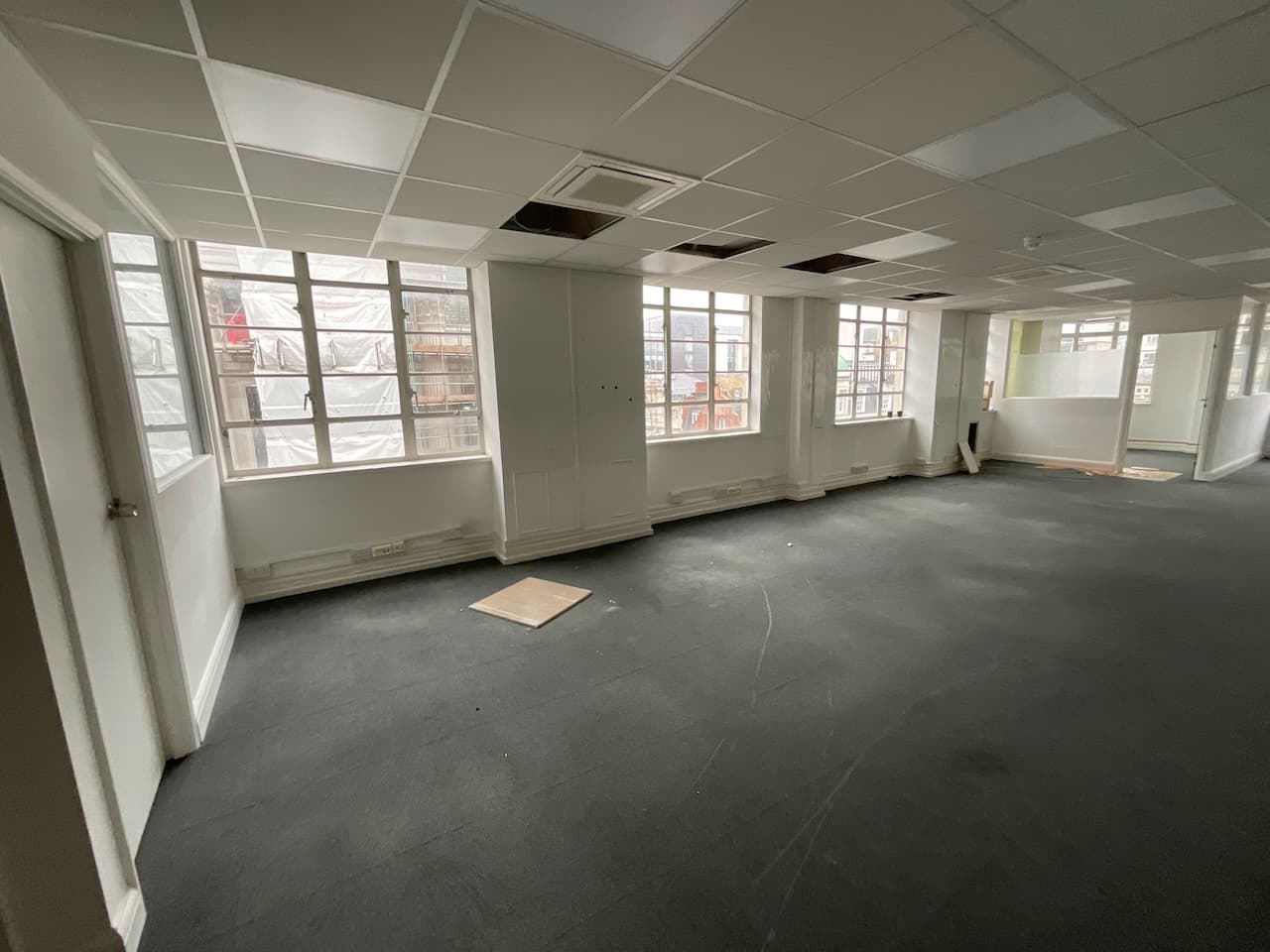
Detailed building inspection image representing transparency and integrity.
03

Integrity

Advice is given against the lease and the evidence on site, not against the outcome a client prefers. Where a defect is overstated or outside tenant liability, we say so in writing.
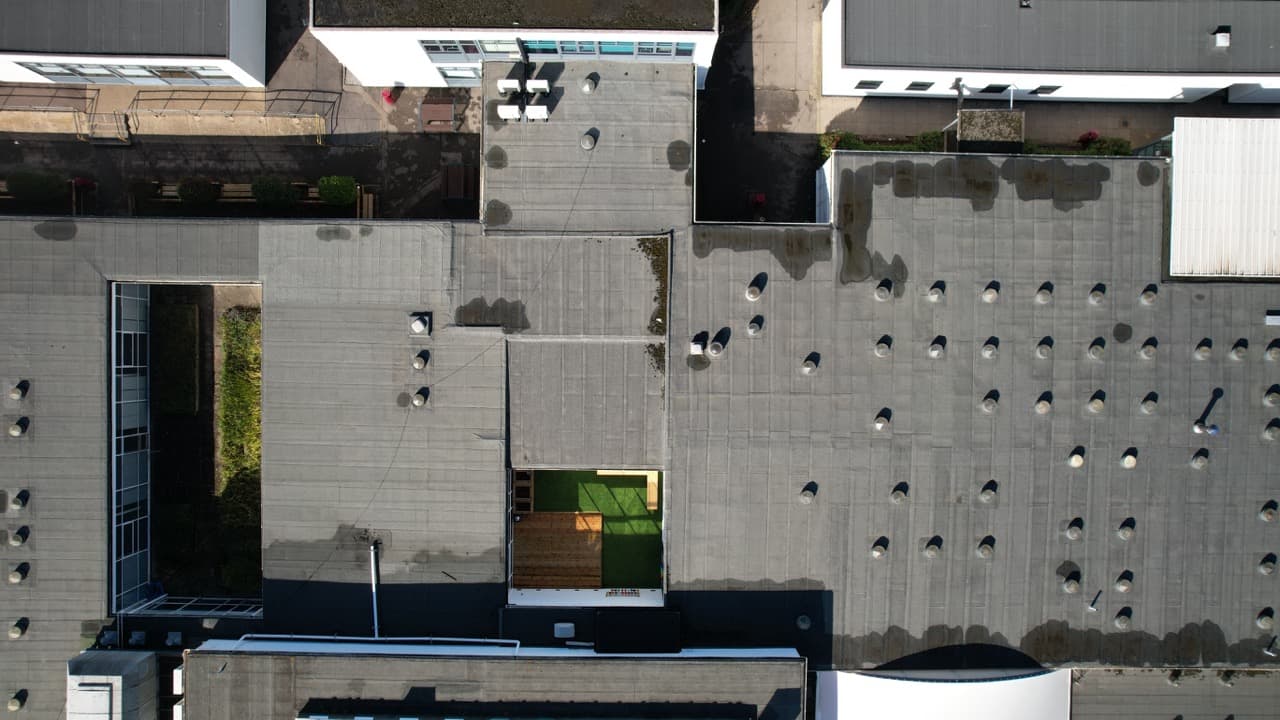
Property survey image used to represent sustainability and responsible project delivery.
04

Sustainability

Inspection routes are planned to limit site visits. Reports are delivered digitally and reuse photographs and CAD data already gathered for the survey.

Social Media Feed

Ayling Associates logo

AAL Chartered Surveyors

2026-04-21 18:20:00 British local time

LinkedIn logo
When navigating the complexities of a break clause and facing a terminal schedule of dilapidations, it's paramount to approach the situation with clarity and strategic foresight. Here's how we can assist:

Understanding Your Break Clause:
The first step is...... Read more
When navigating the complexities of a break clause and facing a terminal schedule of dilapidations, it's paramount to approach the situation with clarity and strategic foresight. Here's how we can assist:

Understanding Your Break Clause:
The first step is a thorough examination of your lease's break clause to understand your rights, obligations, and any conditionalities attached. Break clauses can be highly specific, and even minor oversights can impact your ability to exercise them effectively. We provide expert lease analysis to ensure that you are fully aware of the conditions you must meet to successfully enact the break clause.

Strategic Advice on Dilapidations Claims:
Upon receiving a terminal schedule of dilapidations, it's crucial to assess the extent and validity of the claimed breaches against the lease requirements. We guide our clients through each item listed in the schedule, advising on the landlord's likely entitlements and the reasonableness of the claims. This includes assessing whether repairs, reinstatements, or other works are genuinely necessary to fulfill your lease obligations.

Negotiating With Your Landlord:
Effective negotiation is key to managing dilapidations claims. Our team has extensive experience in negotiating dilapidations matters, ensuring that your interests are robustly represented. We aim to reach a settlement that minimizes your liabilities while complying with your lease terms, helping you to avoid the potential cost and disruption of legal disputes.

Preparation for Dilapidations Works:
If works are necessary to comply with the dilapidations schedule, we offer comprehensive support in planning and executing these works. Our expert surveyors can guide you through the entire process, from selecting contractors to overseeing the completion of works, ensuring that everything is conducted efficiently and to the required standards.

By providing tailored advice and proactive support, we help our clients smoothly navigate the complexities of break clauses and dilapidations, safeguarding your interests and facilitating a seamless transition at the end of your lease.
#terminalschedule #dilapidations #interimschedule #CommercialProperty #PropertySurveying #AssetManagement #PropertyMaintenance #BuildingDefects #BuildingSurveying #ConstructionSurveying #RealEstateSurveying #LeaseManagement
Break Clause
We advised our client and provided guidance in how to avoid frustration of their break clause. We worked along side the cliient’s solicitor to provide advice, and avoid the pitfulls of break clauses.
Ayling Associates logo

AAL Chartered Surveyors

2026-04-21 16:20:00 British local time

LinkedIn logo
Reinstatement Cost Assessment for Insurance Purposes for an historic building

Prestigious Central London Listed Building for An Academic Institution

At www.aylingassociates.com, providing a Reinstatement Cost Assessment for a prestigious listed building,...... Read more
Reinstatement Cost Assessment for Insurance Purposes for an historic building

Prestigious Central London Listed Building for An Academic Institution

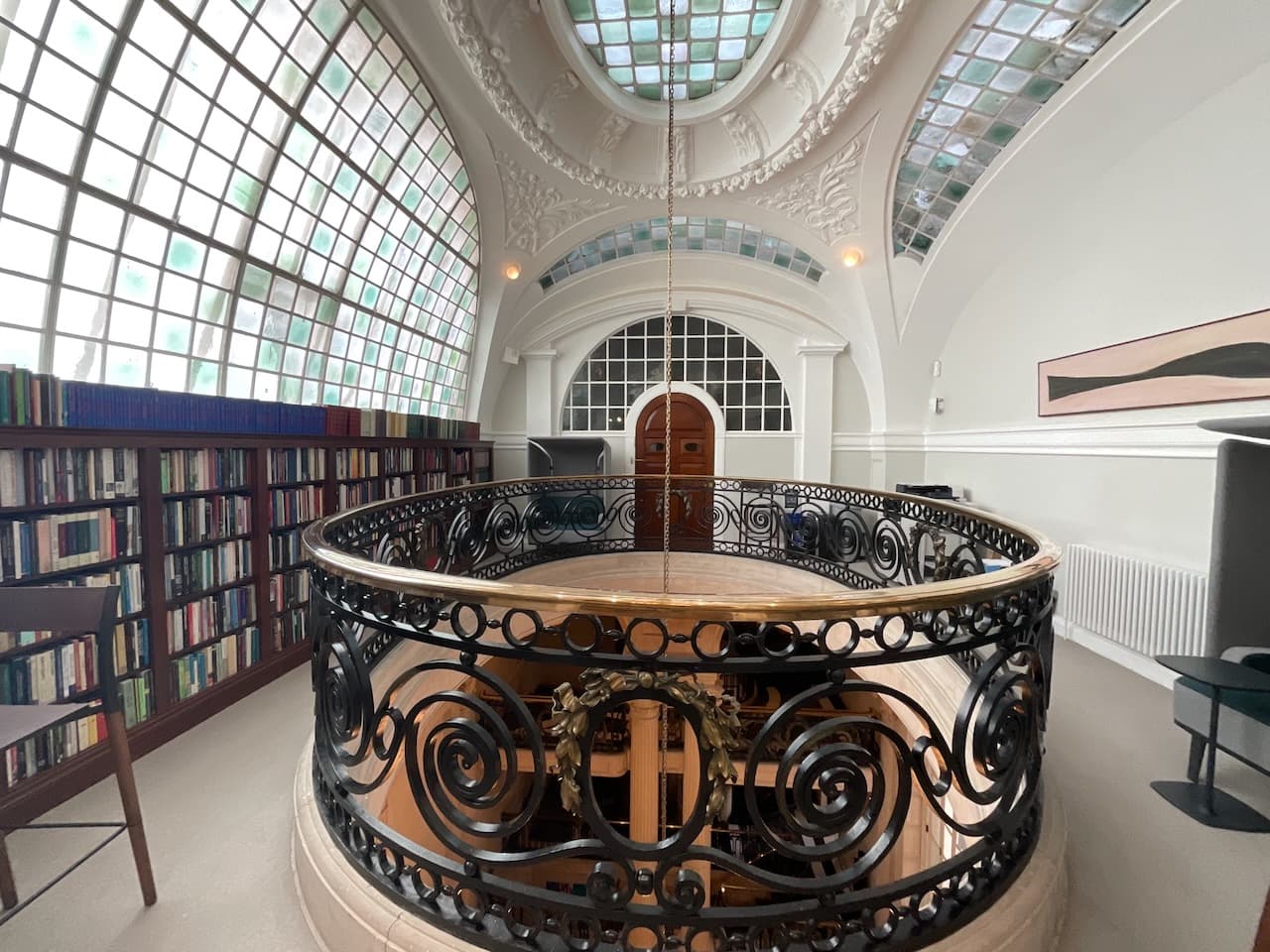
At www.aylingassociates.com, providing a Reinstatement Cost Assessment for a prestigious listed building, particularly one utilised by an academic institution in the heart of London, requires an approach with a respect for the property's architectural and historical significance. Our methodology, complies fully with RICS guidelines, ensuring precision and reliability throughout the assessment process.

Methodology Overview

1. Desktop Study: Initially, we conduct a thorough desktop study. This step involves reviewing existing documentation, architectural plans, and historical records for the building to understand its unique characteristics, heritage, and the context of its construction. This stage also includes examining any legal or regulatory implications of its listed status which could influence the reinstatement valuation.

2. On-site Inspection: Following the desktop review, our chartered surveyors perform a detailed on-site inspection. Key activities during this phase include:
- Accurately measuring the building to ensure our costings are based on actual dimensions.
- Carefully identifying and recording the types of construction materials and building techniques used.
- Assessing the condition and extent of any alterations or additions made by the client, which might not only affect the building’s value but also its insurance requirements.

3. Cost Estimation: After gathering all necessary data, our team returns to the office to begin the task of translating these data into an accurate reinstatement cost. This includes calculating the costs involved in rebuilding the structure to its former condition in the event of significant damage or loss, in accordance with the requirements governing listed buildings.

4. Benchmarking: We benchmark our projected costs against similar real-world projects. This involves comparing our findings with recent, comparable rebuilds or restorations of listed buildings, ensuring our clients receive a realistic and market-reflective reinstatement valuation.

Our approach not only satisfies insurance requisites but also provides our clients with a clear and comprehensive understanding of the potential costs involved in reinstating their invaluable assets to their historic and rightful state.
#LossAdjustment #InsuranceAssessment #PropertyInsurance #ReinstatementCostAssessment #RestorationCost #CostEstimation #RiskAssessment #BuildingReinstatement #InsuranceClaims
METHODOLOGY
The methodology for undertaking reinstatement cost assessments involves a comprehensive approach following RICS guidance. Firstly, a desktop study is conducted to gain a thorough understanding of the building’s nature and historical context. Subsequently, an on-site inspection is undertaken to measure the building, identify construction materials and techniques employed, and assess the quality and nature of any client-installed additions or alterations. The findings from these investigations are then translated into a realistic rebuilding cost back in the office. Finally, cost benchmarks are established against comparable real-world examples of similar projects whenever feasible.
Ayling Associates logo

AAL Chartered Surveyors

2026-04-12 18:20:00 British local time

LinkedIn logo
When faced with a terminal schedule of dilapidations as a tenant, especially during the exercise of a break clause, it's crucial to navigate the process with thoroughness. Dilapidations can often be a complex field, with potential pitfalls and significant f...... Read more
When faced with a terminal schedule of dilapidations as a tenant, especially during the exercise of a break clause, it's crucial to navigate the process with thoroughness. Dilapidations can often be a complex field, with potential pitfalls and significant financial implications.

Upon receiving a terminal schedule of dilapidations, the initial step should be to seek professional advice to understand fully the claims being made and the obligations stipulated in your lease agreement. Our team at AAL Surveyors collaborates closely with experienced solicitors and liaises effectively with landlords' surveyors to ensure your position is robustly represented and protected.

A vital component of this process is the negotiation and finalisation of a release letter. This document is essential as it confirms the agreement between the tenant and the landlord concerning the condition of the property at the lease's end. Precision in the language used is crucial to reflect accurately the deal the tenant expects and to secure in terms favorable for both parties.

In this recent engagement, our approach involved working alongside solicitors and the landlord's surveyor. Our aim was to negotiate a release letter that not only aligned with our client's expectations but also facilitated a smooth and unambiguous final agreement. Our efforts ensured that the final engrossed document accurately embodied the agreed settlement terms, providing our client with reassurance and clarity as they moved forward.

For tenants, the benefits of such diligent professional support are clear. Not only does it help in possibly reducing the financial burden associated with dilapidations claims, but it also aids in ensuring a clean and undisputed exit from the property. This sets a solid foundation for future lease negotiations and maintains a good professional relationship with the landlord.

Our team offers technical and legal insight in the handling of tenant dilapidations, with a focus on achieving outcomes that align with our clients’ lease obligations and commercial objectives.
#terminalschedule #dilapidations #interimschedule #CommercialProperty #PropertySurveying #AssetManagement #PropertyMaintenance #BuildingDefects #BuildingSurveying #ConstructionSurveying #RealEstateSurveying #LeaseManagement
Release Letter
We worked along side the solicitos and the Landlords surveyor to agree a wording for the release letter that successfully reflected the deal that the tenant was expecting to get, and facilitated its agreement and final engrossment.
Ayling Associates logo

AAL Chartered Surveyors

2026-04-12 16:20:00 British local time

LinkedIn logo
In creating a schedule of condition for industrial units such as those with administrative offices in Edmonton, North London, it is imperative to provide a comprehensive overview that highlights any pre-existing issues or vulnerabilities. One critical aspec...... Read more
In creating a schedule of condition for industrial units such as those with administrative offices in Edmonton, North London, it is imperative to provide a comprehensive overview that highlights any pre-existing issues or vulnerabilities. One critical aspect often overlooked is the condition of the roof. Roof inspections play a pivotal role in lease schedules, helping to shield clients from unforeseen liabilities.

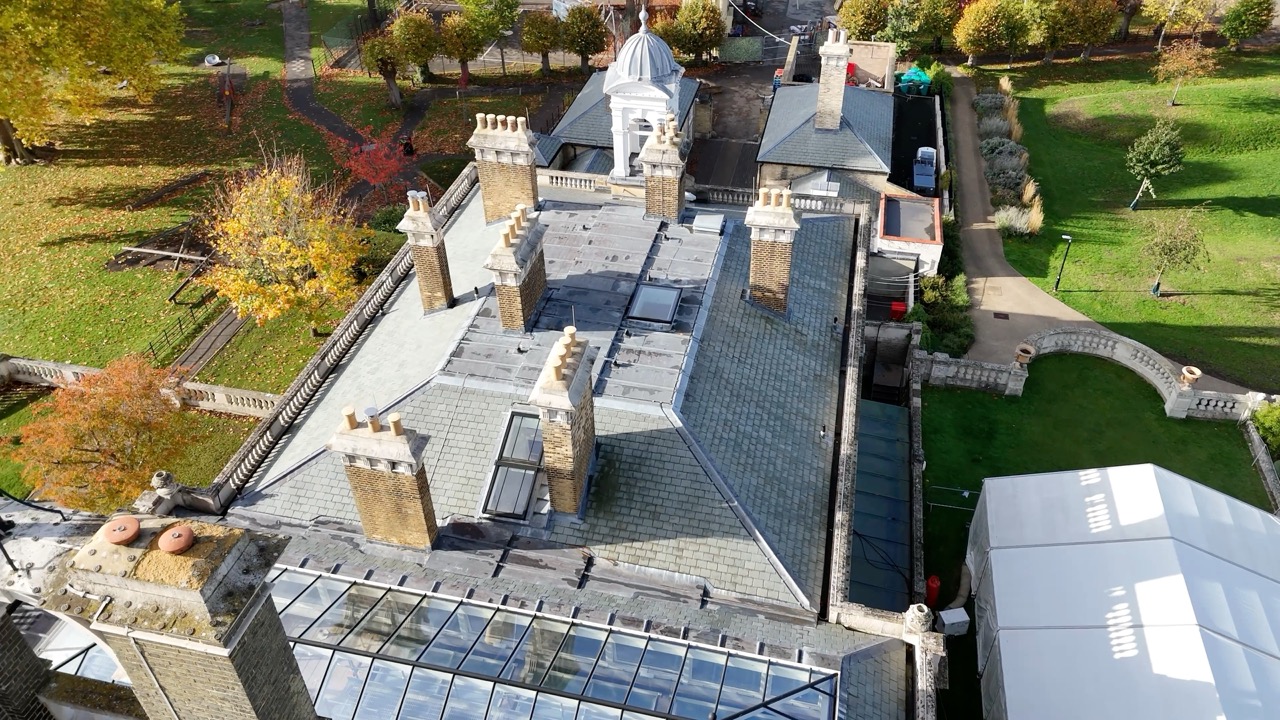
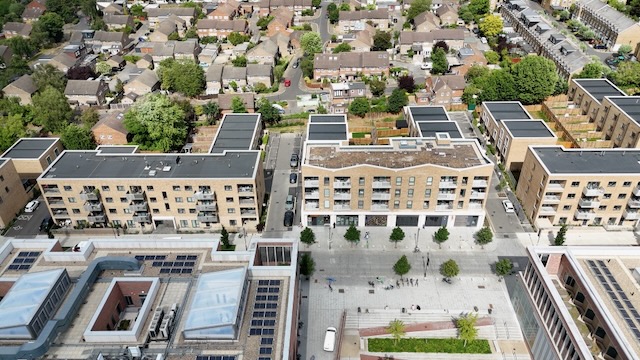
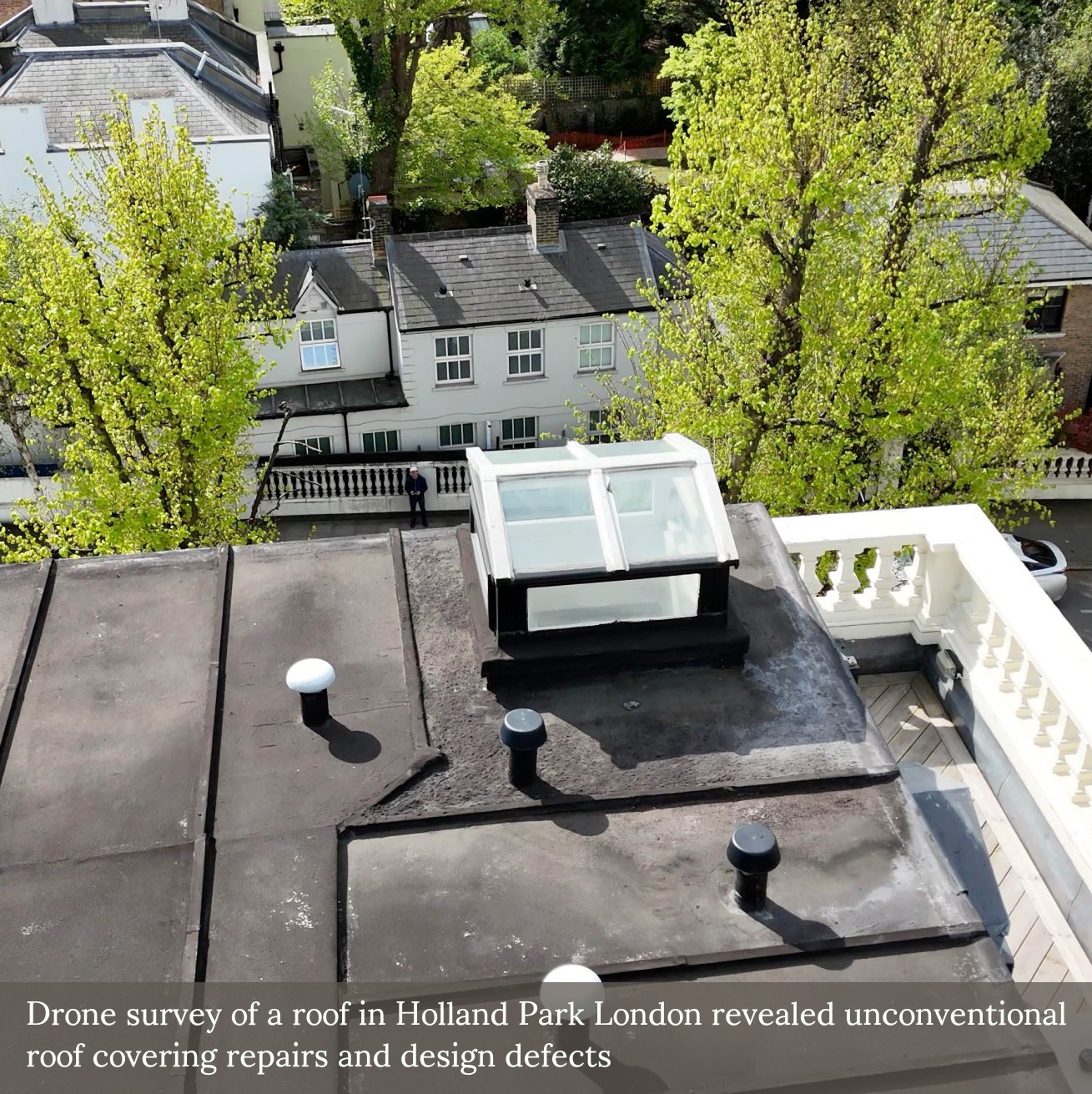
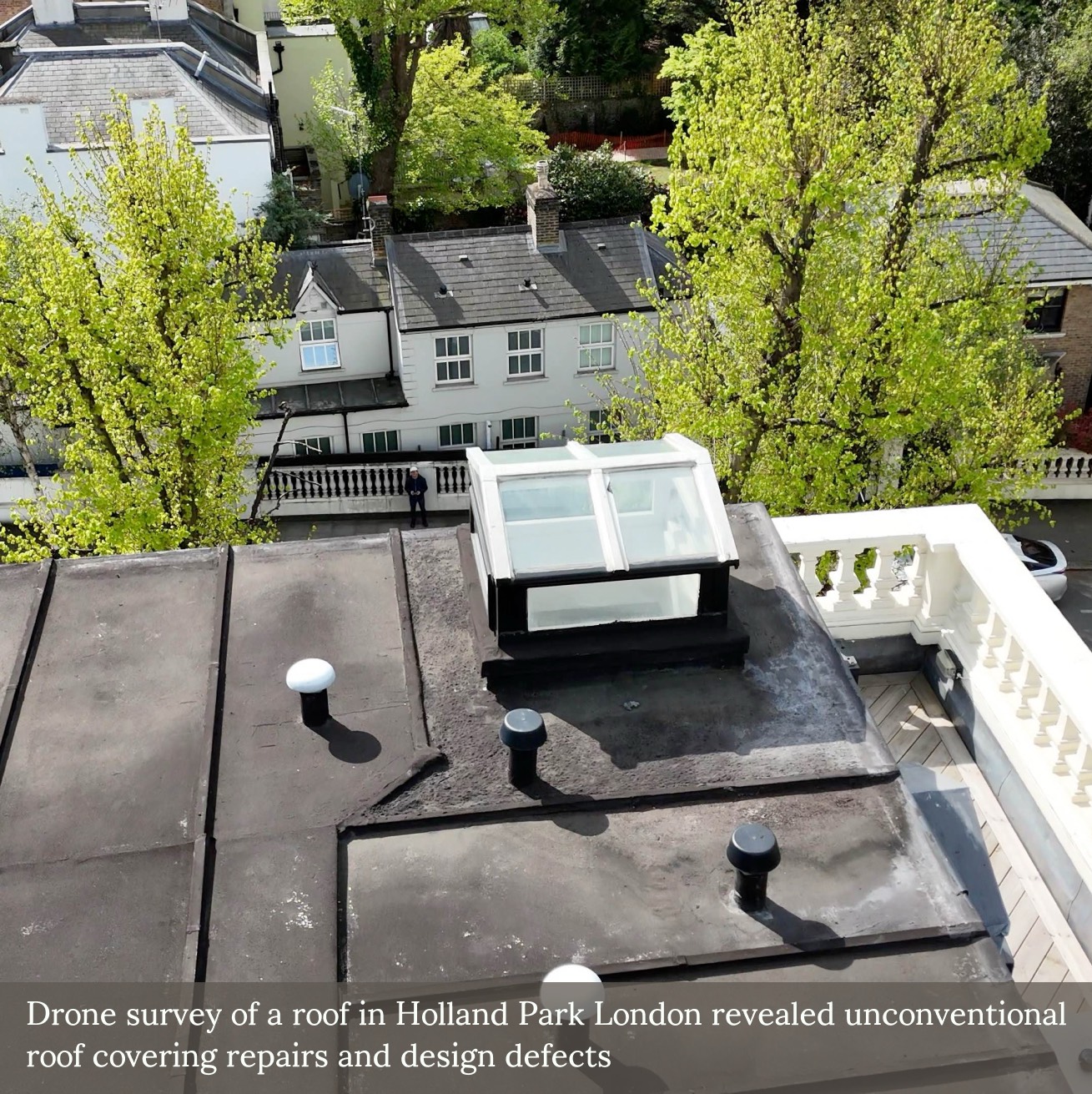
In this modern age, technology plays a crucial role in enhancing the thoroughness and accuracy of surveys. During a recent project, we adeptly utilised drone-based roof surveys, a method that offers a distinct advantage by capturing high-resolution aerial imagery. This approach ensures a detailed record of the roof's state, encompassing aspects like coverings and rainwater goods. It not only minimises the potential for disputes at the lease's end but also ensures that areas typically challenging to inspect, due to cost or safety concerns, are thoroughly documented.

Adopting such innovative techniques in our surveying processes allows us to offer a superior level of service, ensuring that both landlords and tenants have a clear understanding of existing conditions and potential issues. This foresight helps to manage risks effectively, creating a smooth and transparent lease engagement for all parties involved.
Importance of Roof Inspections in Lease Schedules

When preparing a schedule of condition for a client entering into a new lease, early identification of potential future liabilities is critical. On a recent instruction, we included a drone-based roof survey as part of the process. This allowed for a clear, high-level record of the condition of coverings and rainwater goods, reducing the likelihood of dispute at lease end. Aerial imaging provides access to areas that are otherwise difficult to inspect safely, particularly where access costs or restrictions might otherwise preclude a full inspection.
Ayling Associates logo

AAL Chartered Surveyors

2026-04-12 14:20:00 British local time

LinkedIn logo
Efficiently navigating the complexities of a large industrial unit inspection, especially one with accompanying administrative offices like in Edmonton, North London, requires attention to detail. Our bespoke software is at the heart of this process, offeri...... Read more
Efficiently navigating the complexities of a large industrial unit inspection, especially one with accompanying administrative offices like in Edmonton, North London, requires attention to detail. Our bespoke software is at the heart of this process, offering a sophisticated approach to compiling comprehensive schedules of condition that stand out for their clarity and precision.

These bespoke tools are instrumental in creating schedules that are not only easy to interpret but also firmly anchored in objective, well-documented records. By utilising this innovative software, we're able to produce detailed and consistent reports swiftly, which proved invaluable in a recent assignment. Our client was afforded clear insight into their repair obligations, effectively capturing the initial condition to prevent any future disputes.

This strategic approach ensures that each schedule we prepare supports fair and transparent lease management, clearing up potential ambiguities that might arise. If you're considering a full assessment for your industrial premises, our structured, technology-driven methodology promises a hassle-free and thorough documentation process, perfectly tailored to your specific needs.
Use of Bespoke Tools in Schedule Preparation

Schedules of condition are most effective when they are easy to interpret and based on objective records. To assist with this, we have developed our own software, designed specifically for lease-related instructions. It allows us to generate detailed outputs quickly, while maintaining consistency in terminology and layout. In a recent case, this helped our client gain clarity on repair obligations and ensure that the incoming position was well documented. A well-structured schedule reduces ambiguity and supports fair lease management.

Local Area

About Hammersmith

Hammersmith

Hammersmith is one of the principal commercial centres of west London, in the London Borough of Hammersmith and Fulham on the north bank of the Thames between Chiswick and Fulham, with a substantial concentration of HQ-grade and multi-let office buildings clustered around Hammersmith Broadway, King Street, the A4 Hammersmith flyover, Hammersmith Road, and the Hammersmith Embankment riverside frontage. The area accommodates the UK and European headquarters of major media, technology, pharmaceuticals, consumer-goods, and broadcasting groups, alongside the Eventim Apollo, the Lyric Theatre, the Olympia exhibition centre to the east, and extensive mid- and late-Victorian residential streets across Brackenbury Village, Brook Green, and the river-fringe townhouses at Hammersmith Terrace and Upper Mall. Typical building types include 1960s to 1980s concrete-framed office blocks around the Broadway and the A4, late 1990s and 2000s steel-framed office buildings at Hammersmith Embankment and along Hammersmith Road, recent high-specification refurbishments such as 245 Hammersmith Road, listed Georgian riverside townhouses, Victorian and Edwardian bay-fronted terraces, and post-war council estate stock. Surveying instructions in Hammersmith commonly include dilapidations and schedules of condition on office leases, category-A and category-B fit-out advice, reinstatement cost assessments on large office buildings, technical due diligence on commercial investment transactions, pre-purchase surveys on period houses and converted flats, party wall advice for widespread extensions, and EWS1 and fire safety assessments on recent apartment blocks.

Office Building Stock and Common Defects

The Hammersmith office market spans several generations of construction. 1960s to 1980s concrete-framed office buildings around the Broadway and the A4 flyover typically have curtain-wall or punched-window envelopes with single or early-double glazing, perimeter heating, end-of-life chiller installations, asbestos in original ceiling voids and risers, and roof coverings approaching end of life. Late 1990s and 2000s steel-framed buildings at Hammersmith Embankment and along Hammersmith Road feature unitised curtain-wall envelopes, raised access floors, four-pipe fan-coil mechanical ventilation, central atria, and substantial rooftop plant. Recent refurbishments such as 245 Hammersmith Road deliver upgraded facades, increased natural light, end-of-trip facilities, and improved EPC performance. Common defects include sealant failure and gasket degradation at curtain-wall joints, water ingress at atrium glazing and rooflight perimeters, end-of-life chiller and boiler installations on the earlier stock, concrete carbonation and reinforcement corrosion on 1960s and 1970s frames, dated category-A finishes that fall short of current Grade A expectations, and flat-roof membrane ageing at upstands and outlets.

Office Dilapidations, Category-A and Category-B Fit-Out, and MEES

Tenants and landlords at Hammersmith face material dilapidations exposure on office leases, driven by the age of much of the stock around the Broadway and the A4, the cumulative impact of successive fit-outs, and the cost of returning premises to a defined category-A specification. A schedule of condition recorded at lease commencement is intended to limit terminal dilapidations liability and is routinely instructed for all new leases. Terminal schedules require assessment of category-A reinstatement (raised floors, ceilings, mechanical and electrical services, perimeter finishes), removal of category-B fit-out (partitioning, joinery, IT cabling, kitchenettes, audio-visual installations), and statutory obligations including asbestos management in the 1960s and 1970s stock and Minimum Energy Efficiency Standards. Supersession arguments, Scott schedules, and diminution valuations feature routinely on terminal claims. MEES strategy is increasingly central to dilapidations and asset management on the older buildings because continued letting under the EPC regime requires careful planning around plant upgrade, lighting, and fabric improvements.

Riverside Period Housing, Apartments, and Party Wall Work

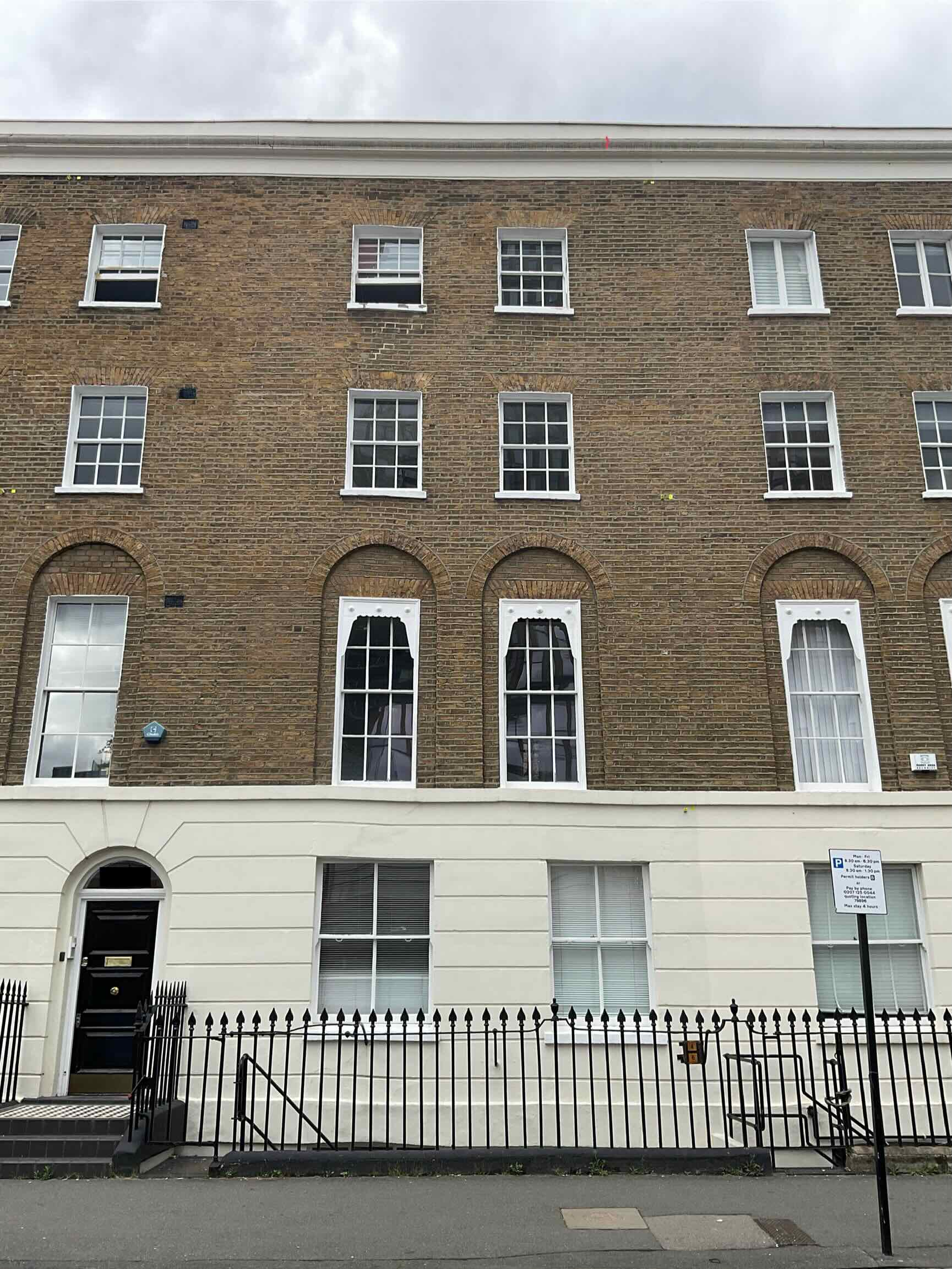
The Thames frontage at Hammersmith Terrace, Upper Mall, and Lower Mall contains a concentration of listed Georgian and early-Victorian townhouses, with flood-risk exposure forming a specific consideration in pre-purchase advice. Detailed assessment at this level covers stucco render and brick condition, parapet and valley gutter performance, timber sash window and cornice condition, and the cumulative impact of successive refurbishments. Brackenbury Village and Brook Green provide extensive Victorian terraced stock with solid-brick walls, slate roofs, timber sash windows, and rear outriggers, with common findings of slate roof age, chimney stack deterioration, timber decay, and end-of-life salt-glazed drainage. Recent apartment-led development along the Thames corridor and around the Broadway has delivered mid-rise and high-rise apartment stock, generating EWS1 assessments, fire risk appraisals, and Building Safety Act compliance work. Across the Victorian residential stock, loft conversions, rear extensions, and basement excavations are widespread, generating substantial party wall work under the Party Wall etc. Act 1996. Pre-purchase surveys on already-extended houses assess workmanship quality, junction detailing, waterproofing performance, and verification of Building Regulation and party wall consents.

Local PagesBrowse chartered building surveyor pages by area