
Construction Cost Consultancy
Cost consultancy support for projects that need structured estimating, budget control, procurement advice, and practical oversight from inception through delivery.
Cost Consultancy Services
Our cost consultancy work helps clients understand project expenditure before commitments are made and control cost movement as projects develop. The service is designed to support realistic planning, informed procurement, and better cost visibility throughout the lifecycle of a scheme.
That can include early-stage cost advice, benchmarking, tender review, budget monitoring, and practical input where commercial clarity is needed alongside technical delivery.
- Early cost advice to shape scope and affordability.
- Budget monitoring and feedback during design and delivery.
- Tender and procurement support where commercial scrutiny is needed.
ELEMENTAL COST PLAN
Prepared by Ayling Associates, Chartered Building Surveyors
| Ref | Element | Estimate |
|---|---|---|
| 1 | Substructure | £86,400 |
| 2 | Superstructure | £412,700 |
| 3 | Internal finishes | £198,300 |
| 4 | Services installations | £286,900 |
| 5 | External works | £74,200 |
| 6 | Preliminaries, overheads and profit | £121,500 |
| 7 | Contingency | £58,000 |
Elemental breakdown intended to support budget control, procurement review, and cost reporting through the project.
Cost plan total
£1,238,000
Tender received
£1,196,400
What the Service Covers
The emphasis is on cost control that remains grounded in the realities of scope, risk, design information, and delivery strategy.
Budget Planning
Set practical project budgets and understand the cost implications of scope, quality, and programme decisions.
Tender Review
Compare returns, interrogate allowances, and assess whether tender positions are aligned with the underlying brief.
Ongoing Control
Track cost movement as the project evolves so emerging issues can be addressed before they become entrenched.
Typical Outputs
Outputs are shaped around the project stage, but usually combine forecasting, commentary, and structured records that help clients manage budget decisions.
- Initial budget advice and high-level estimating.
- Cost plans and feedback as the design develops.
- Tender analysis and recommendation support.
- Change tracking and budget status updates during delivery.
How We Work
The cost consultancy role sits best alongside clear information flow and disciplined record keeping.
- Define the client brief and establish the reporting framework.
- Assess design information and cost drivers at each stage.
- Monitor risk items, procurement decisions, and change exposure.
- Report in a way that supports timely commercial decisions.
Need Cost Consultancy Input?
We can support projects with estimating, budget control, tender review, and structured cost reporting from early planning through to completion.
Contact UsSocial Media Feed

AAL Chartered Surveyors
2026-04-10 20:30:33 British local time

Where Roof Design Meets Condensation Risk
Two timber-framed roof lanterns formed part of a recent external inspection we undertook on a mansard roof in West London. Both featured single glazed elements, limited overhangs, and decorative paint finishes in p...... Read more
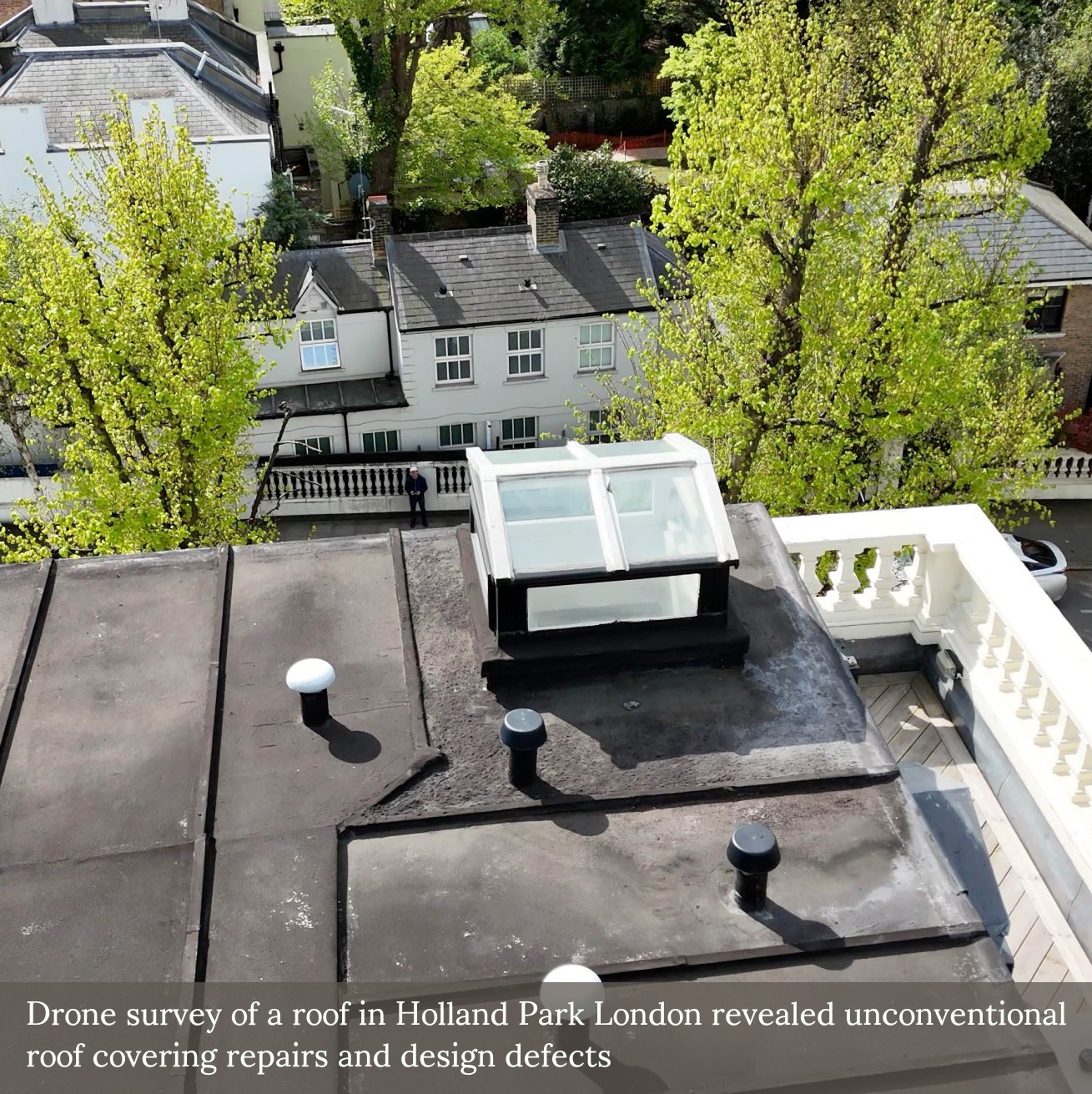
Two timber-framed roof lanterns formed part of a recent external inspection we undertook on a mansard roof in West London. Both featured single glazed elements, limited overhangs, and decorative paint finishes in poor condition.
The presence of condensation to internal glazing, along with signs of historical repair and timber exposure, highlights a common set of issues—particularly in traditional or poorly detailed roof structures.
Where single glazed rooflights are retained in occupied spaces, internal dampness is frequently the result of thermal bridging or trapped moisture, rather than rainwater penetration alone.
In such cases, replacement offers the opportunity to introduce modern, thermally efficient materials and more robust junction detailing—reducing risk and improving long-term performance.
AAL Chartered Surveyors
2026-04-10 11:40:23 British local time
Where Roof Design Meets Condensation Risk
Two timber-framed roof lanterns formed part of a recent external inspection we undertook on a mansard roof in West London. Both featured single glazed elements, limited overhangs, and decorative paint finishes in p...... Read more
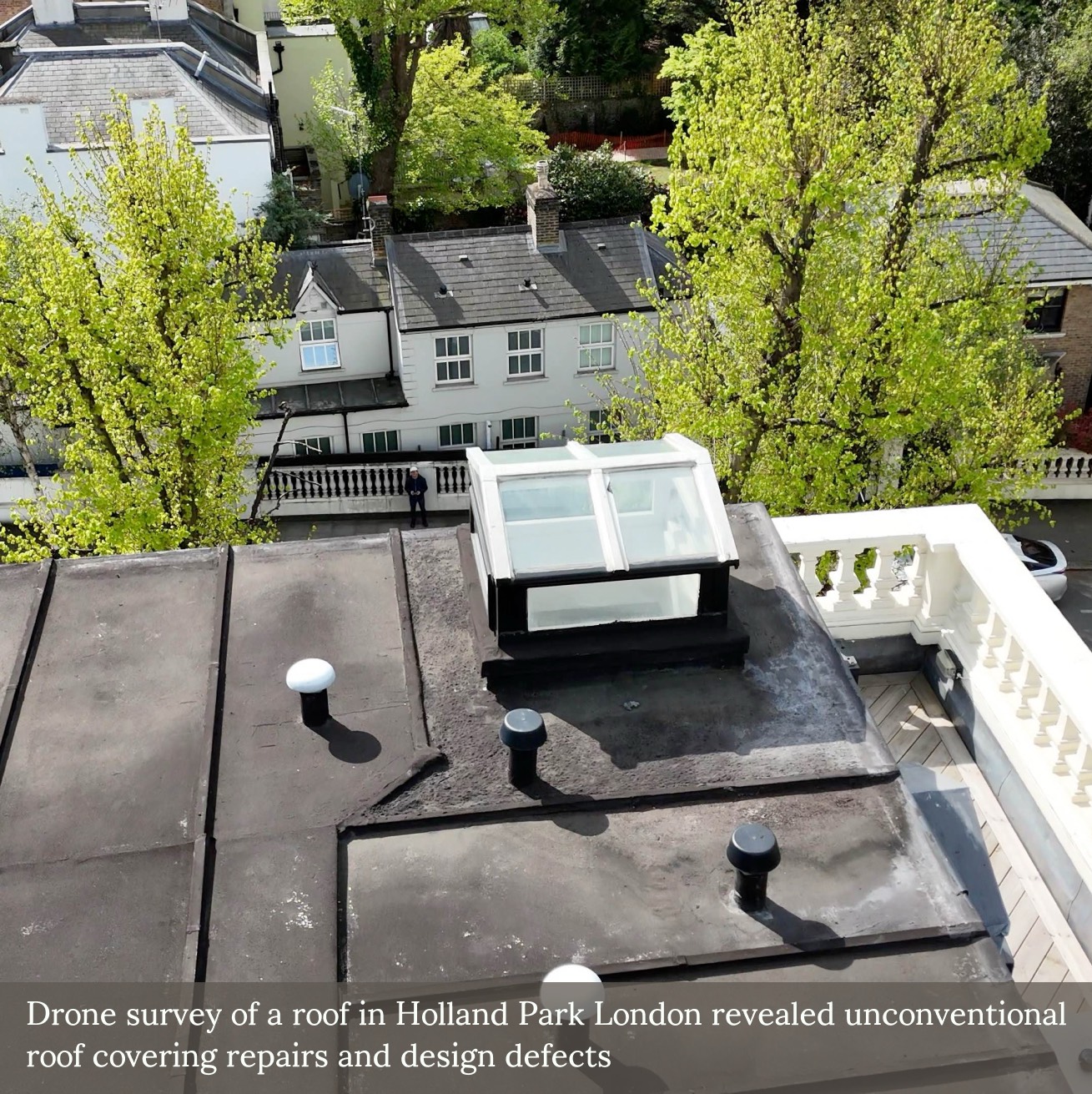
Two timber-framed roof lanterns formed part of a recent external inspection we undertook on a mansard roof in West London. Both featured single glazed elements, limited overhangs, and decorative paint finishes in poor condition.
The presence of condensation to internal glazing, along with signs of historical repair and timber exposure, highlights a common set of issues—particularly in traditional or poorly detailed roof structures.
Where single glazed rooflights are retained in occupied spaces, internal dampness is frequently the result of thermal bridging or trapped moisture, rather than rainwater penetration alone.
In such cases, replacement offers the opportunity to introduce modern, thermally efficient materials and more robust junction detailing—reducing risk and improving long-term performance.
AAL Chartered Surveyors
2026-04-10 11:32:43 British local time
Where Roof Design Meets Condensation Risk
Two timber-framed roof lanterns formed part of a recent external inspection we undertook on a mansard roof in West London. Both featured single glazed elements, limited overhangs, and decorative paint finishes in p...... Read more
Two timber-framed roof lanterns formed part of a recent external inspection we undertook on a mansard roof in West London. Both featured single glazed elements, limited overhangs, and decorative paint finishes in poor condition.
The presence of condensation to internal glazing, along with signs of historical repair and timber exposure, highlights a common set of issues—particularly in traditional or poorly detailed roof structures.
Where single glazed rooflights are retained in occupied spaces, internal dampness is frequently the result of thermal bridging or trapped moisture, rather than rainwater penetration alone.
In such cases, replacement offers the opportunity to introduce modern, thermally efficient materials and more robust junction detailing—reducing risk and improving long-term performance.
AAL Chartered Surveyors
2026-04-10 11:27:03 British local time
Where Roof Design Meets Condensation Risk
Two timber-framed roof lanterns formed part of a recent external inspection we undertook on a mansard roof in West London. Both featured single glazed elements, limited overhangs, and decorative paint finishes in p...... Read more
Two timber-framed roof lanterns formed part of a recent external inspection we undertook on a mansard roof in West London. Both featured single glazed elements, limited overhangs, and decorative paint finishes in poor condition.
The presence of condensation to internal glazing, along with signs of historical repair and timber exposure, highlights a common set of issues—particularly in traditional or poorly detailed roof structures.
Where single glazed rooflights are retained in occupied spaces, internal dampness is frequently the result of thermal bridging or trapped moisture, rather than rainwater penetration alone.
In such cases, replacement offers the opportunity to introduce modern, thermally efficient materials and more robust junction detailing—reducing risk and improving long-term performance.
AAL Chartered Surveyors
2026-04-10 11:20:33 British local time
Where Roof Design Meets Condensation Risk
Two timber-framed roof lanterns formed part of a recent external inspection we undertook on a mansard roof in West London. Both featured single glazed elements, limited overhangs, and decorative paint finishes in p...... Read more
Two timber-framed roof lanterns formed part of a recent external inspection we undertook on a mansard roof in West London. Both featured single glazed elements, limited overhangs, and decorative paint finishes in poor condition.
The presence of condensation to internal glazing, along with signs of historical repair and timber exposure, highlights a common set of issues—particularly in traditional or poorly detailed roof structures.
Where single glazed rooflights are retained in occupied spaces, internal dampness is frequently the result of thermal bridging or trapped moisture, rather than rainwater penetration alone.
In such cases, replacement offers the opportunity to introduce modern, thermally efficient materials and more robust junction detailing—reducing risk and improving long-term performance.