
Office Fit-Out Surveyors
Reinstatement liability at lease expiry commonly exceeds the cost of the fit-out itself. Independent surveying advice for occupiers, landlords, and asset managers across consent, delivery, and exit.
Independent Advice on Office Fit-Out
An office fit-out sits between a lease and a construction contract. Both carry cost, and the two interact. The alterations the tenant installs are governed by the lease and by a licence to alter, and the same works create a reinstatement liability at lease expiry that commonly reaches six figures on a full floor.
The service covers three roles. Tenant-side project management and contract administration of the works. Employer’s agent and cost control on Design and Build appointments. Landlord-side review, consent, and monitoring of works proposed by an occupier.
The survey and contract administration work is carried out by Clayton Ayling, a chartered building surveyor regulated by RICS, acting independently of any contractor or fit-out supplier.
- Licence to alter — review, technical conditions, and reinstatement negotiation.
- Project management and contract administration under JCT contracts.
- Employer’s agent and cost control on Design and Build fit-out.
- Schedules of condition before works, and reinstatement liability assessment.
How the Appointment Runs
Before the Works
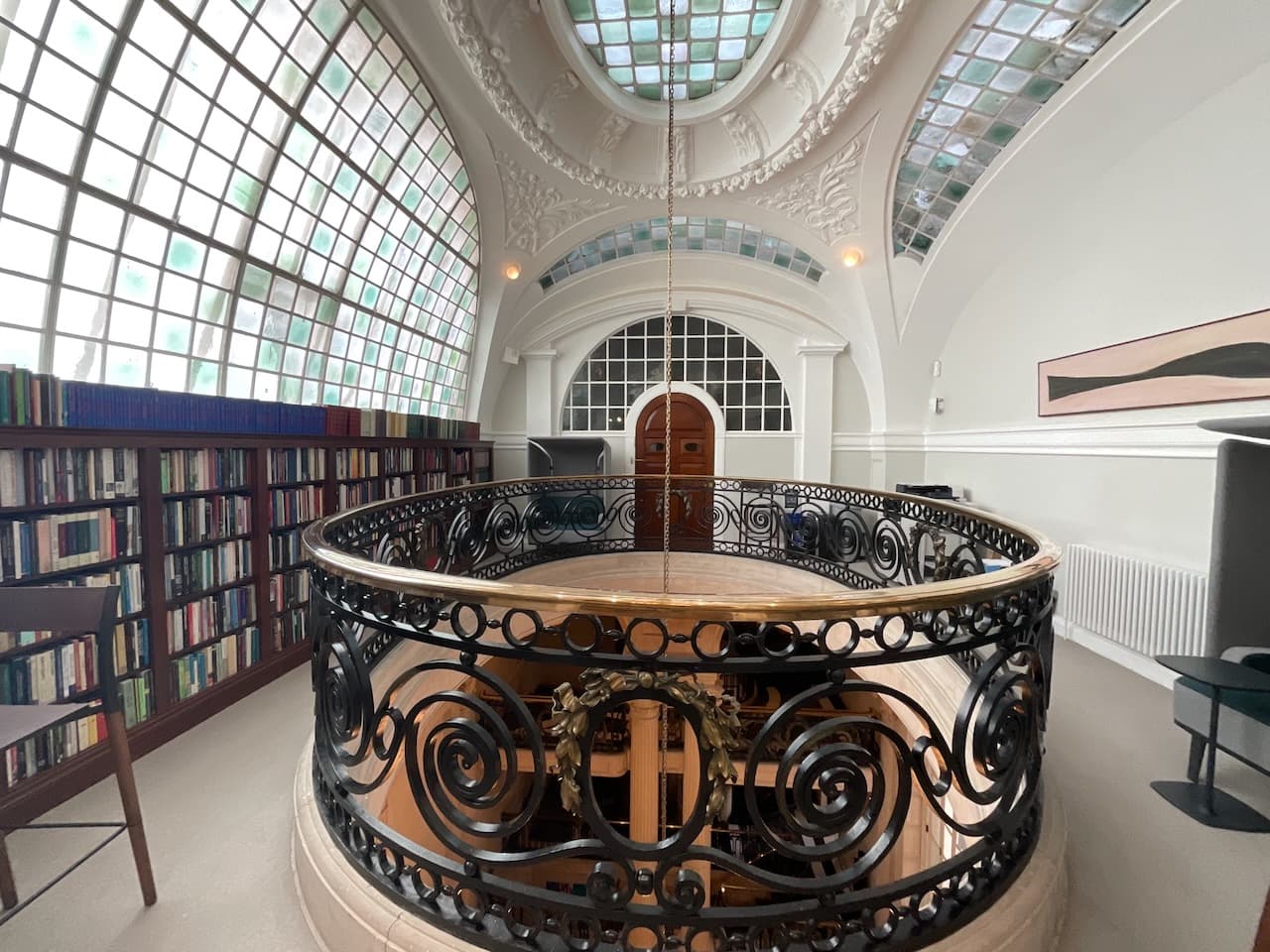
Review of the lease alterations clause, assessment of the drawings and specification, the licence to alter application and its technical conditions, negotiation of the reinstatement obligation, and a schedule of condition recording the premises before the fit-out begins.
Procurement and Contract
Selection of the contract route, preparation of tender documents, tender analysis, and appointment of the contractor. The contract route is matched to the size and complexity of the works rather than applied by default.
During the Works
Administration of the building contract, valuations and payment certification, instructions and change control, progress and quality monitoring, and management of the interface between occupier, contractor, and landlord.
Completion and Beyond
Snagging, practical completion, collection of as-built drawings, commissioning records and warranties, and a record of the works as built to support the reinstatement position at lease expiry.
Tenant-Side Project Management and Contract Administration
Occupiers carrying out a fit-out face a fixed programme, a rent-free period that is already running, and a contractor appointed on terms the occupier rarely sets. Independent project management holds the position on scope, cost, and time.
The appointment covers the brief and budget, procurement of the contractor, administration of the building contract, valuations and change control, snagging, and practical completion. Contracts are commonly JCT Minor Works, Intermediate, or Design and Build, and the role is matched to the route chosen.
The lease obligations are managed alongside the works rather than after them. The licence to alter is settled before the works begin, the condition of the premises is recorded, and the reinstatement position is understood while it can still be negotiated.
Employer’s Agent and Cost Control
On a Design and Build fit-out the contractor carries the design responsibility, and the employer needs an independent adviser holding the contractual position. That is the employer’s agent role.
The work covers the employer requirements, review of the contractor proposals, the cost plan, valuation and payment certification, change control, and the interface between the employer and the contractor through to practical completion.
Cost advice runs alongside it — budget setting at the outset, testing the contractor pricing, controlling variations during delivery, and providing a defensible account at the end. The cost of removing the works at lease expiry is assessed at the same time, because it is a cost of the project even though it falls due later.
Landlord Consent, Approval, and Monitoring
A landlord asked to consent to a tenant fit-out is deciding two things at once. What happens to the building during the works, and what can be recovered at the end of the term.
The review covers the drawings and specification against the lease, the effect on structure and loading, fire compartmentation and means of escape, sprinkler and detection coverage, landlord plant and services, and the position of other occupiers. Conditions are then set for how the works are carried out.
The reinstatement position is defined at the point of consent, not at expiry. A licence with a precise description of the permitted works, accurate attached drawings, and a workable notice period produces a claim that can be evidenced. Monitoring during the works confirms that what is built matches what was approved.
The route of a licence to alter
Application received
The tenant applies for consent with drawings and a specification; the lease decides what needs consent.
Plans reviewed
The proposals are tested against the alterations and reinstatement covenants, and a report recommends the conditions consent should carry.
Licence completed
The solicitors draft the deed; the document list and conditions in the report feed the technical schedules.
Works proceed
Interim monitoring inspections, where instructed, check conformity before elements are covered up.
Completion checking survey
An inspection on practical completion reports whether the works as built conform to the licence.
Position protected
One licence
records the works, the conditions, and the reinstatement obligation for the life of the lease.
Related Services
Planning an Office Fit-Out?
Advice on the licence to alter, the contract route, the cost position, and the reinstatement liability the works will create at lease expiry.
Contact UsSocial Media Feed

AAL Chartered Surveyors
2026-04-10 20:30:33 British local time

Where Roof Design Meets Condensation Risk
Two timber-framed roof lanterns formed part of a recent external inspection we undertook on a mansard roof in West London. Both featured single glazed elements, limited overhangs, and decorative paint finishes in p...... Read more
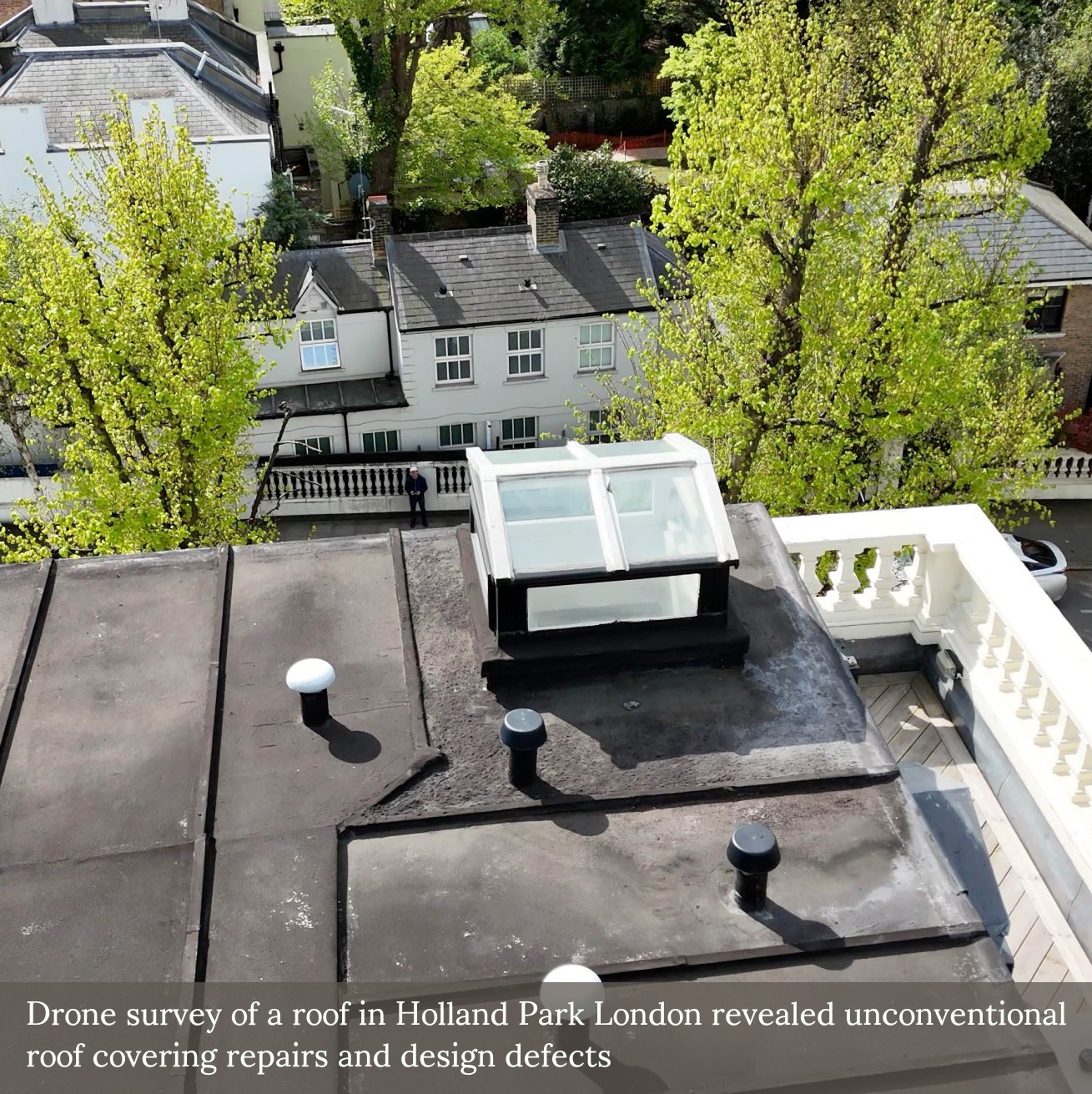
Two timber-framed roof lanterns formed part of a recent external inspection we undertook on a mansard roof in West London. Both featured single glazed elements, limited overhangs, and decorative paint finishes in poor condition.
The presence of condensation to internal glazing, along with signs of historical repair and timber exposure, highlights a common set of issues—particularly in traditional or poorly detailed roof structures.
Where single glazed rooflights are retained in occupied spaces, internal dampness is frequently the result of thermal bridging or trapped moisture, rather than rainwater penetration alone.
In such cases, replacement offers the opportunity to introduce modern, thermally efficient materials and more robust junction detailing—reducing risk and improving long-term performance.
AAL Chartered Surveyors
2026-04-10 11:40:23 British local time
Where Roof Design Meets Condensation Risk
Two timber-framed roof lanterns formed part of a recent external inspection we undertook on a mansard roof in West London. Both featured single glazed elements, limited overhangs, and decorative paint finishes in p...... Read more
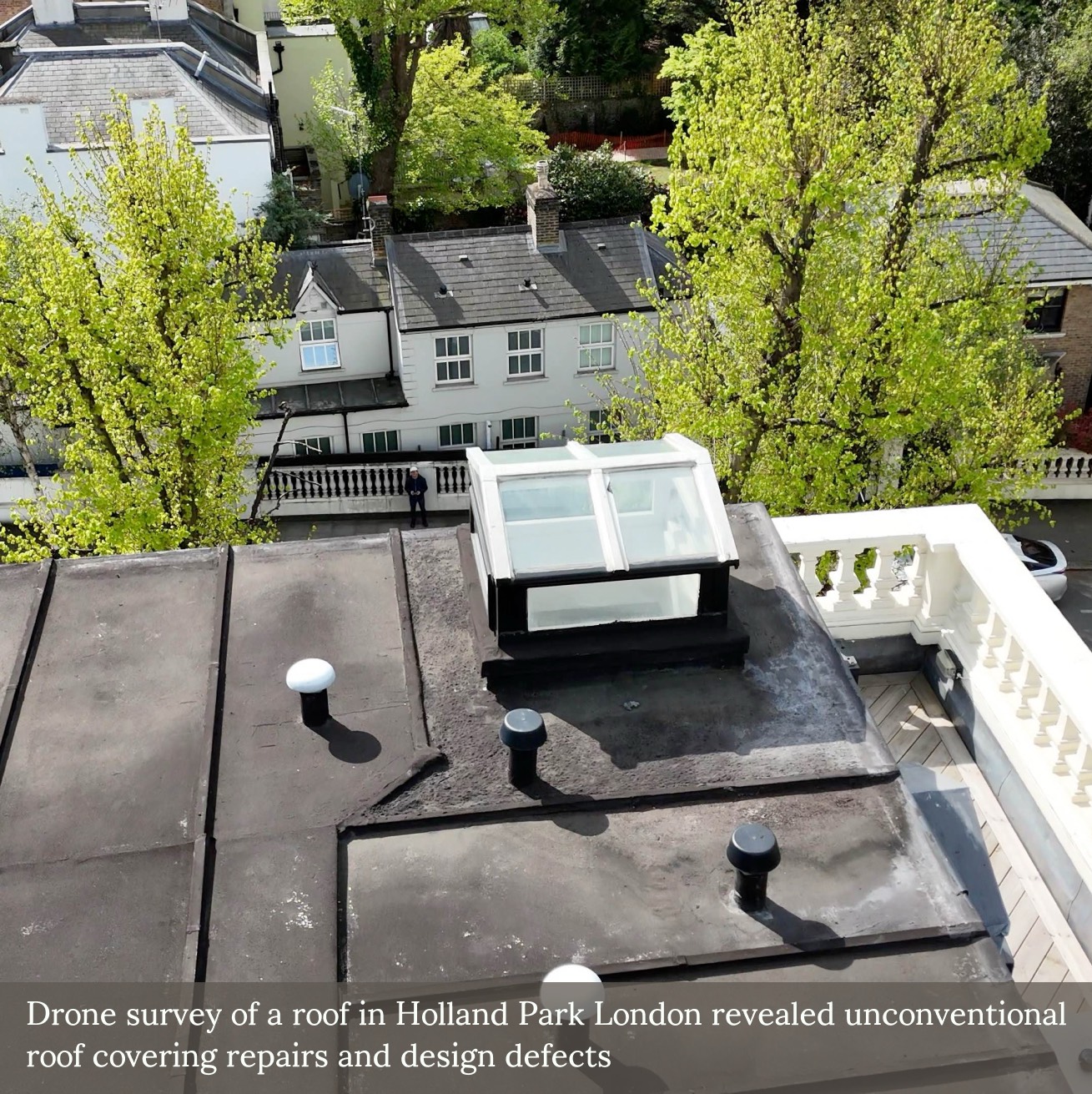
Two timber-framed roof lanterns formed part of a recent external inspection we undertook on a mansard roof in West London. Both featured single glazed elements, limited overhangs, and decorative paint finishes in poor condition.
The presence of condensation to internal glazing, along with signs of historical repair and timber exposure, highlights a common set of issues—particularly in traditional or poorly detailed roof structures.
Where single glazed rooflights are retained in occupied spaces, internal dampness is frequently the result of thermal bridging or trapped moisture, rather than rainwater penetration alone.
In such cases, replacement offers the opportunity to introduce modern, thermally efficient materials and more robust junction detailing—reducing risk and improving long-term performance.
AAL Chartered Surveyors
2026-04-10 11:32:43 British local time
Where Roof Design Meets Condensation Risk
Two timber-framed roof lanterns formed part of a recent external inspection we undertook on a mansard roof in West London. Both featured single glazed elements, limited overhangs, and decorative paint finishes in p...... Read more
Two timber-framed roof lanterns formed part of a recent external inspection we undertook on a mansard roof in West London. Both featured single glazed elements, limited overhangs, and decorative paint finishes in poor condition.
The presence of condensation to internal glazing, along with signs of historical repair and timber exposure, highlights a common set of issues—particularly in traditional or poorly detailed roof structures.
Where single glazed rooflights are retained in occupied spaces, internal dampness is frequently the result of thermal bridging or trapped moisture, rather than rainwater penetration alone.
In such cases, replacement offers the opportunity to introduce modern, thermally efficient materials and more robust junction detailing—reducing risk and improving long-term performance.
AAL Chartered Surveyors
2026-04-10 11:27:03 British local time
Where Roof Design Meets Condensation Risk
Two timber-framed roof lanterns formed part of a recent external inspection we undertook on a mansard roof in West London. Both featured single glazed elements, limited overhangs, and decorative paint finishes in p...... Read more
Two timber-framed roof lanterns formed part of a recent external inspection we undertook on a mansard roof in West London. Both featured single glazed elements, limited overhangs, and decorative paint finishes in poor condition.
The presence of condensation to internal glazing, along with signs of historical repair and timber exposure, highlights a common set of issues—particularly in traditional or poorly detailed roof structures.
Where single glazed rooflights are retained in occupied spaces, internal dampness is frequently the result of thermal bridging or trapped moisture, rather than rainwater penetration alone.
In such cases, replacement offers the opportunity to introduce modern, thermally efficient materials and more robust junction detailing—reducing risk and improving long-term performance.
AAL Chartered Surveyors
2026-04-10 11:20:33 British local time
Where Roof Design Meets Condensation Risk
Two timber-framed roof lanterns formed part of a recent external inspection we undertook on a mansard roof in West London. Both featured single glazed elements, limited overhangs, and decorative paint finishes in p...... Read more
Two timber-framed roof lanterns formed part of a recent external inspection we undertook on a mansard roof in West London. Both featured single glazed elements, limited overhangs, and decorative paint finishes in poor condition.
The presence of condensation to internal glazing, along with signs of historical repair and timber exposure, highlights a common set of issues—particularly in traditional or poorly detailed roof structures.
Where single glazed rooflights are retained in occupied spaces, internal dampness is frequently the result of thermal bridging or trapped moisture, rather than rainwater penetration alone.
In such cases, replacement offers the opportunity to introduce modern, thermally efficient materials and more robust junction detailing—reducing risk and improving long-term performance.