
RICS Building Survey Services
Detailed building survey and technical inspection services for clients who need clear condition advice, defect analysis, and practical next steps before making property decisions.
Survey Services
Our survey services focus on producing clear, detailed advice about property condition, repair liabilities, and building risk. Instructions range from pre-acquisition surveys and Level 3 building surveys to more focused condition inspections where a client needs technical clarity on a particular asset.
The objective is not simply to identify defects, but to help clients understand seriousness, likely consequences, priorities for action, and the broader implications for ownership, occupation, or investment planning.
- RICS-style reporting with clear diagnosis and practical recommendations.
- Condition-focused advice tailored to the building, brief, and decision stage.
- Measured commentary on defects, risk, maintenance, and further investigation.

Where Survey Work Adds Value
Survey instructions vary, but the common thread is the need for technically sound information that can support a decision.
Pre-Purchase Advice
Survey work helps identify defects, repair exposure, and hidden condition issues before a purchase is committed.
Asset Planning
Owners and managers use condition reporting to plan maintenance, prioritise budgets, and structure future works.
Risk Reduction
Clear defect diagnosis helps clients avoid underestimating repair liabilities, moisture issues, or fabric deterioration.
Typical Deliverables
The exact report format depends on the brief, but survey work usually combines inspection findings with prioritised commentary on risk, repair, and maintenance.
- Condition reporting on roofs, walls, interiors, services interfaces, and visible defects.
- Advice on likely causes of failure and appropriate next actions.
- Repair and maintenance priorities to support decision-making.
- Recommendations for intrusive investigation or specialist input where needed.
How We Approach a Survey Instruction
Each survey starts with understanding the building, the decision facing the client, and the level of detail required.
- Review the brief, property type, and relevant background information.
- Inspect the building methodically with attention to material risk and condition.
- Analyse findings and distinguish between urgent, medium-term, and advisory issues.
- Deliver a report that is technically grounded and commercially useful.
Need Advice on a Building Survey?
We can help you scope the right inspection, review the building in detail, and provide a report that supports confident property decisions.
Contact UsSocial Media Feed

AAL Chartered Surveyors
2026-04-10 20:30:33 British local time

Where Roof Design Meets Condensation Risk
Two timber-framed roof lanterns formed part of a recent external inspection we undertook on a mansard roof in West London. Both featured single glazed elements, limited overhangs, and decorative paint finishes in p...... Read more
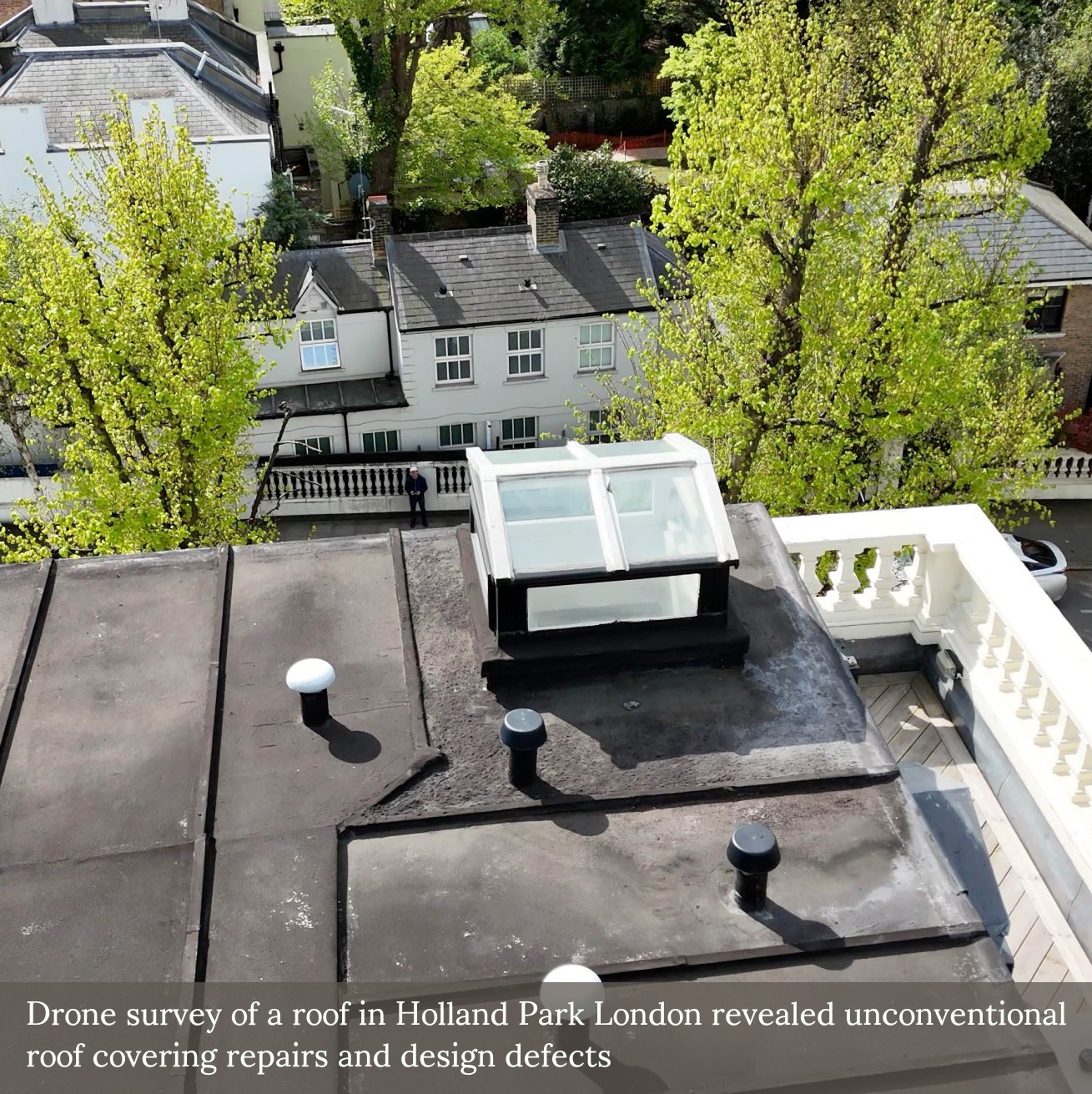
Two timber-framed roof lanterns formed part of a recent external inspection we undertook on a mansard roof in West London. Both featured single glazed elements, limited overhangs, and decorative paint finishes in poor condition.
The presence of condensation to internal glazing, along with signs of historical repair and timber exposure, highlights a common set of issues—particularly in traditional or poorly detailed roof structures.
Where single glazed rooflights are retained in occupied spaces, internal dampness is frequently the result of thermal bridging or trapped moisture, rather than rainwater penetration alone.
In such cases, replacement offers the opportunity to introduce modern, thermally efficient materials and more robust junction detailing—reducing risk and improving long-term performance.
AAL Chartered Surveyors
2026-04-10 11:40:23 British local time
Where Roof Design Meets Condensation Risk
Two timber-framed roof lanterns formed part of a recent external inspection we undertook on a mansard roof in West London. Both featured single glazed elements, limited overhangs, and decorative paint finishes in p...... Read more
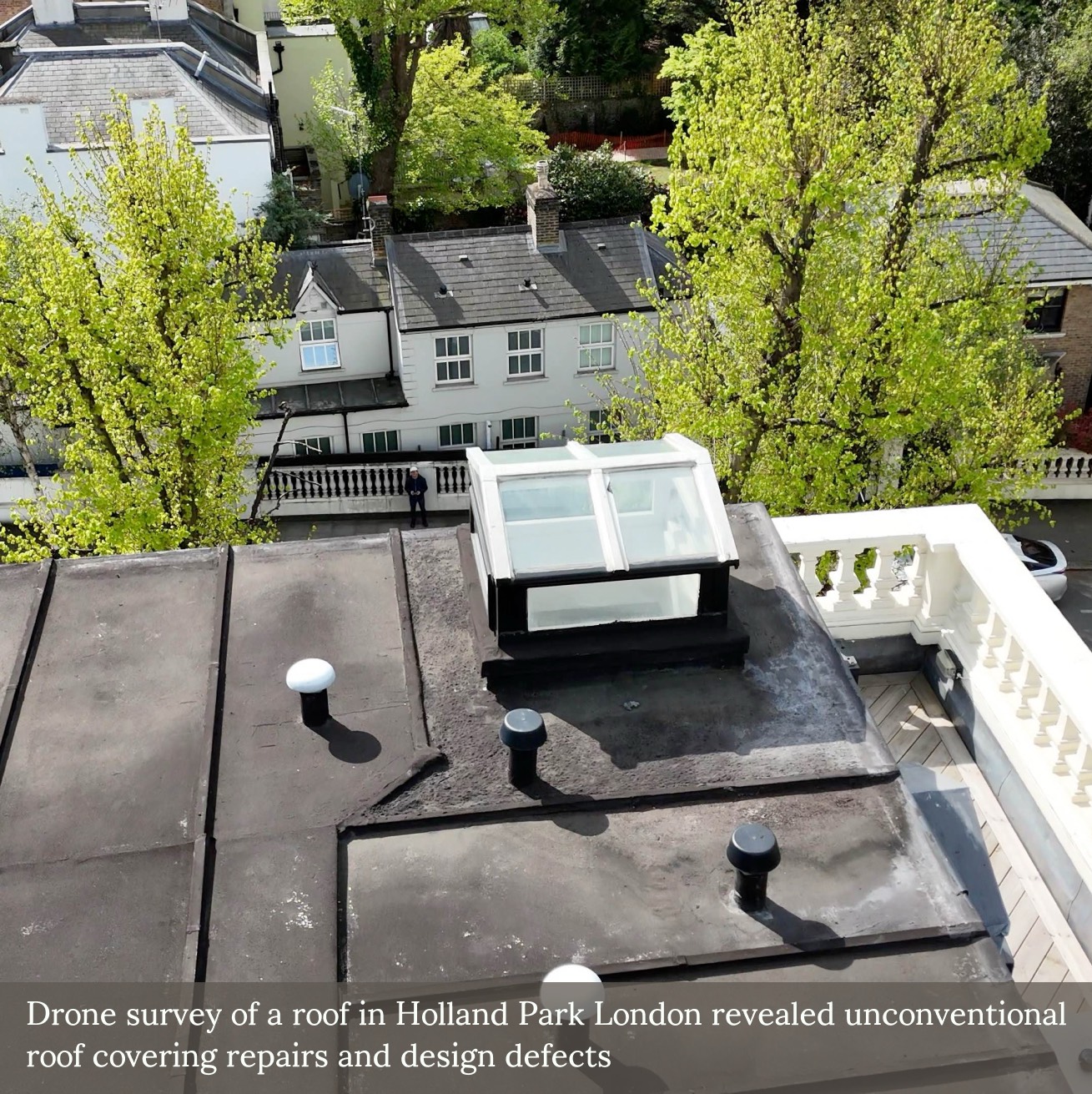
Two timber-framed roof lanterns formed part of a recent external inspection we undertook on a mansard roof in West London. Both featured single glazed elements, limited overhangs, and decorative paint finishes in poor condition.
The presence of condensation to internal glazing, along with signs of historical repair and timber exposure, highlights a common set of issues—particularly in traditional or poorly detailed roof structures.
Where single glazed rooflights are retained in occupied spaces, internal dampness is frequently the result of thermal bridging or trapped moisture, rather than rainwater penetration alone.
In such cases, replacement offers the opportunity to introduce modern, thermally efficient materials and more robust junction detailing—reducing risk and improving long-term performance.
AAL Chartered Surveyors
2026-04-10 11:32:43 British local time
Where Roof Design Meets Condensation Risk
Two timber-framed roof lanterns formed part of a recent external inspection we undertook on a mansard roof in West London. Both featured single glazed elements, limited overhangs, and decorative paint finishes in p...... Read more
Two timber-framed roof lanterns formed part of a recent external inspection we undertook on a mansard roof in West London. Both featured single glazed elements, limited overhangs, and decorative paint finishes in poor condition.
The presence of condensation to internal glazing, along with signs of historical repair and timber exposure, highlights a common set of issues—particularly in traditional or poorly detailed roof structures.
Where single glazed rooflights are retained in occupied spaces, internal dampness is frequently the result of thermal bridging or trapped moisture, rather than rainwater penetration alone.
In such cases, replacement offers the opportunity to introduce modern, thermally efficient materials and more robust junction detailing—reducing risk and improving long-term performance.
AAL Chartered Surveyors
2026-04-10 11:27:03 British local time
Where Roof Design Meets Condensation Risk
Two timber-framed roof lanterns formed part of a recent external inspection we undertook on a mansard roof in West London. Both featured single glazed elements, limited overhangs, and decorative paint finishes in p...... Read more
Two timber-framed roof lanterns formed part of a recent external inspection we undertook on a mansard roof in West London. Both featured single glazed elements, limited overhangs, and decorative paint finishes in poor condition.
The presence of condensation to internal glazing, along with signs of historical repair and timber exposure, highlights a common set of issues—particularly in traditional or poorly detailed roof structures.
Where single glazed rooflights are retained in occupied spaces, internal dampness is frequently the result of thermal bridging or trapped moisture, rather than rainwater penetration alone.
In such cases, replacement offers the opportunity to introduce modern, thermally efficient materials and more robust junction detailing—reducing risk and improving long-term performance.
AAL Chartered Surveyors
2026-04-10 11:20:33 British local time
Where Roof Design Meets Condensation Risk
Two timber-framed roof lanterns formed part of a recent external inspection we undertook on a mansard roof in West London. Both featured single glazed elements, limited overhangs, and decorative paint finishes in p...... Read more
Two timber-framed roof lanterns formed part of a recent external inspection we undertook on a mansard roof in West London. Both featured single glazed elements, limited overhangs, and decorative paint finishes in poor condition.
The presence of condensation to internal glazing, along with signs of historical repair and timber exposure, highlights a common set of issues—particularly in traditional or poorly detailed roof structures.
Where single glazed rooflights are retained in occupied spaces, internal dampness is frequently the result of thermal bridging or trapped moisture, rather than rainwater penetration alone.
In such cases, replacement offers the opportunity to introduce modern, thermally efficient materials and more robust junction detailing—reducing risk and improving long-term performance.