
Project Management Surveyors
Project management and contract administration support for building works that need careful coordination, clear communication, and disciplined control through delivery.
Project Management Services
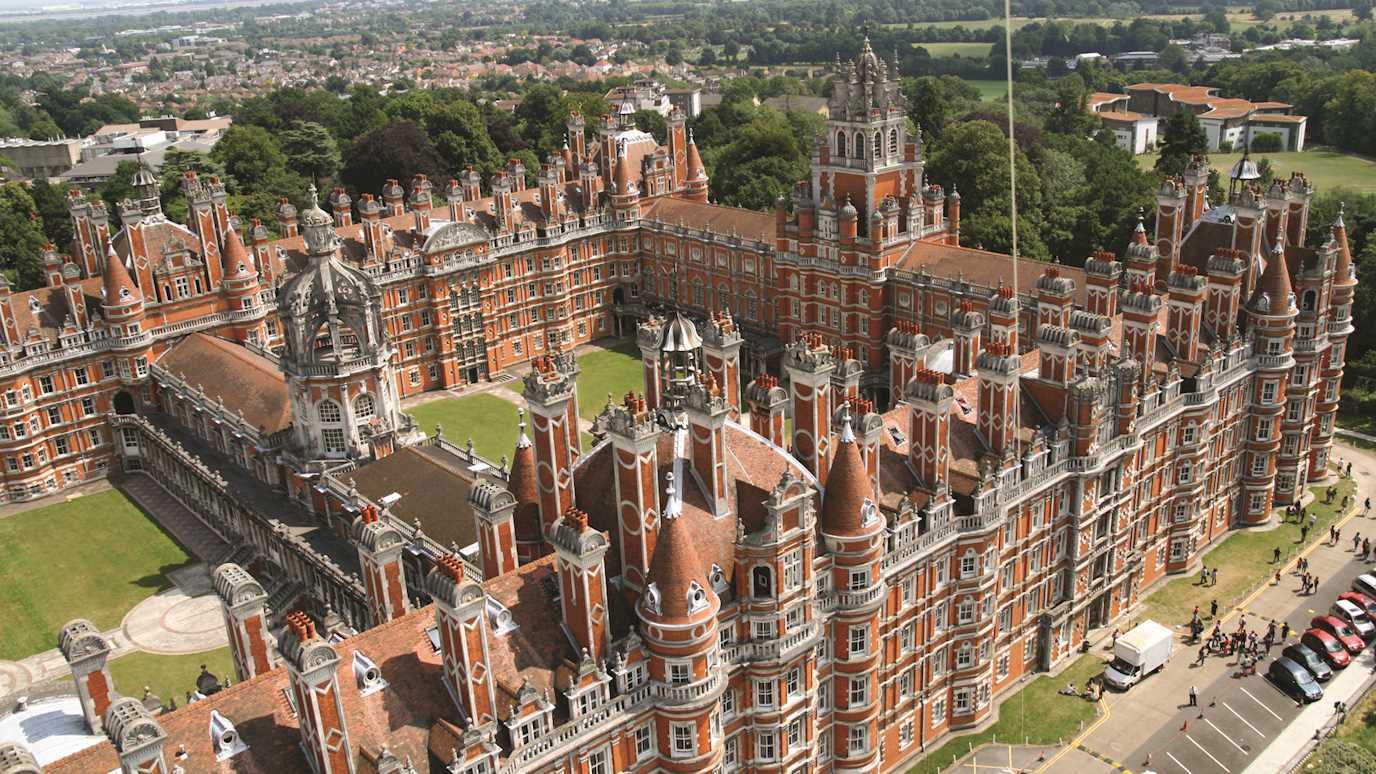
Our project management work is focused on giving clients structured oversight of building projects from pre-start through to completion. That includes programming, coordination, communication, and contract administration where the project needs an informed professional role between client, contractor, and design team.
Appointments cover refurbishment, alteration, and repair projects, and office fit-out. Contracts are commonly JCT Minor Works, Intermediate, and Design and Build, with the role matched to the route chosen. On Design and Build the appointment is normally as employer’s agent, holding the contractual position for the employer through valuations, change control, and completion.
The emphasis is on clarity of responsibility, record keeping, and timely decision-making so that the project remains controlled as issues emerge during delivery.
- Contract administration and project coordination support.
- Employer’s agent appointments on Design and Build contracts.
- Office fit-out delivery, including the licence to alter and reinstatement position.
- Clear communication between client, contractor, and consultants.
- Attention to programme, quality, cost change, and delivery risk.
Core Areas of Oversight
Well-managed projects are rarely frictionless, but they are easier to control when responsibilities and records are clear.
Pre-Start Planning
Establish contract routes, responsibilities, programme expectations, and information flow before work begins.
Delivery Coordination
Manage progress, instructions, site issues, and communication so decisions are made on time and recorded properly.
Completion and Close-Out
Support inspections, snagging, practical completion processes, and the orderly close-out of project obligations.
Typical Management Functions
The exact role depends on the project and form of appointment, but it commonly includes structured oversight of core delivery activities.
- Programme and coordination management.
- Meeting administration and project records.
- Instruction and contract administration support.
- Monitoring of progress, change, and completion obligations.
Working Method
Projects benefit from a management role that is consistent, documented, and commercially aware.
- Set the project controls and communication pathways early.
- Monitor progress and deal with issues as they arise rather than after delay accumulates.
- Keep instructions, decisions, and key records organised and transparent.
- Guide the project toward completion with clear close-out procedures.
Need Project Oversight?
We can support building projects with coordination, contract administration, and practical management input through delivery and completion.
Contact UsSocial Media Feed

AAL Chartered Surveyors
2026-04-10 20:30:33 British local time

Where Roof Design Meets Condensation Risk
Two timber-framed roof lanterns formed part of a recent external inspection we undertook on a mansard roof in West London. Both featured single glazed elements, limited overhangs, and decorative paint finishes in p...... Read more
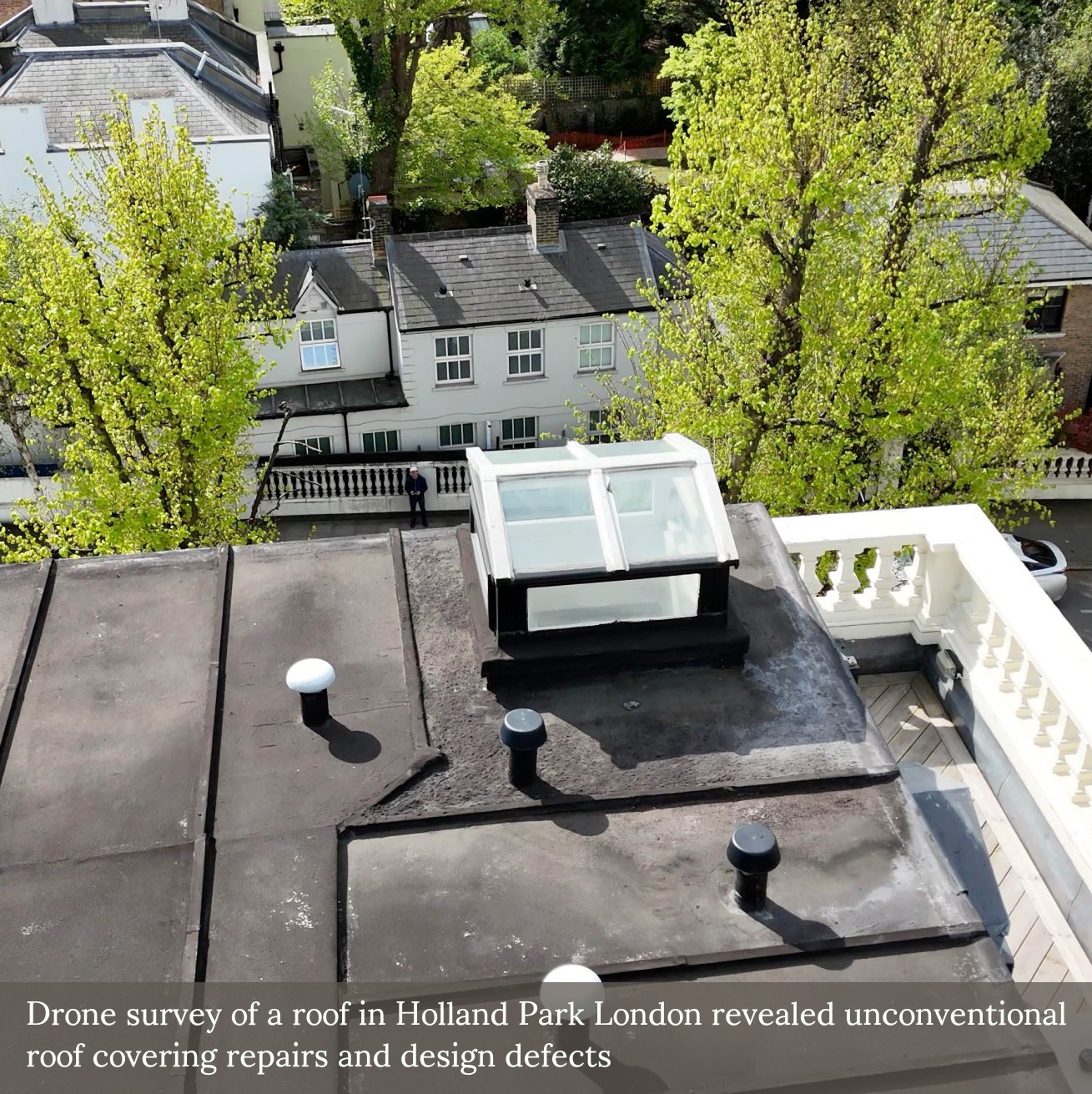
Two timber-framed roof lanterns formed part of a recent external inspection we undertook on a mansard roof in West London. Both featured single glazed elements, limited overhangs, and decorative paint finishes in poor condition.
The presence of condensation to internal glazing, along with signs of historical repair and timber exposure, highlights a common set of issues—particularly in traditional or poorly detailed roof structures.
Where single glazed rooflights are retained in occupied spaces, internal dampness is frequently the result of thermal bridging or trapped moisture, rather than rainwater penetration alone.
In such cases, replacement offers the opportunity to introduce modern, thermally efficient materials and more robust junction detailing—reducing risk and improving long-term performance.
AAL Chartered Surveyors
2026-04-10 11:40:23 British local time
Where Roof Design Meets Condensation Risk
Two timber-framed roof lanterns formed part of a recent external inspection we undertook on a mansard roof in West London. Both featured single glazed elements, limited overhangs, and decorative paint finishes in p...... Read more
Two timber-framed roof lanterns formed part of a recent external inspection we undertook on a mansard roof in West London. Both featured single glazed elements, limited overhangs, and decorative paint finishes in poor condition.
The presence of condensation to internal glazing, along with signs of historical repair and timber exposure, highlights a common set of issues—particularly in traditional or poorly detailed roof structures.
Where single glazed rooflights are retained in occupied spaces, internal dampness is frequently the result of thermal bridging or trapped moisture, rather than rainwater penetration alone.
In such cases, replacement offers the opportunity to introduce modern, thermally efficient materials and more robust junction detailing—reducing risk and improving long-term performance.
AAL Chartered Surveyors
2026-04-10 11:32:43 British local time
Where Roof Design Meets Condensation Risk
Two timber-framed roof lanterns formed part of a recent external inspection we undertook on a mansard roof in West London. Both featured single glazed elements, limited overhangs, and decorative paint finishes in p...... Read more
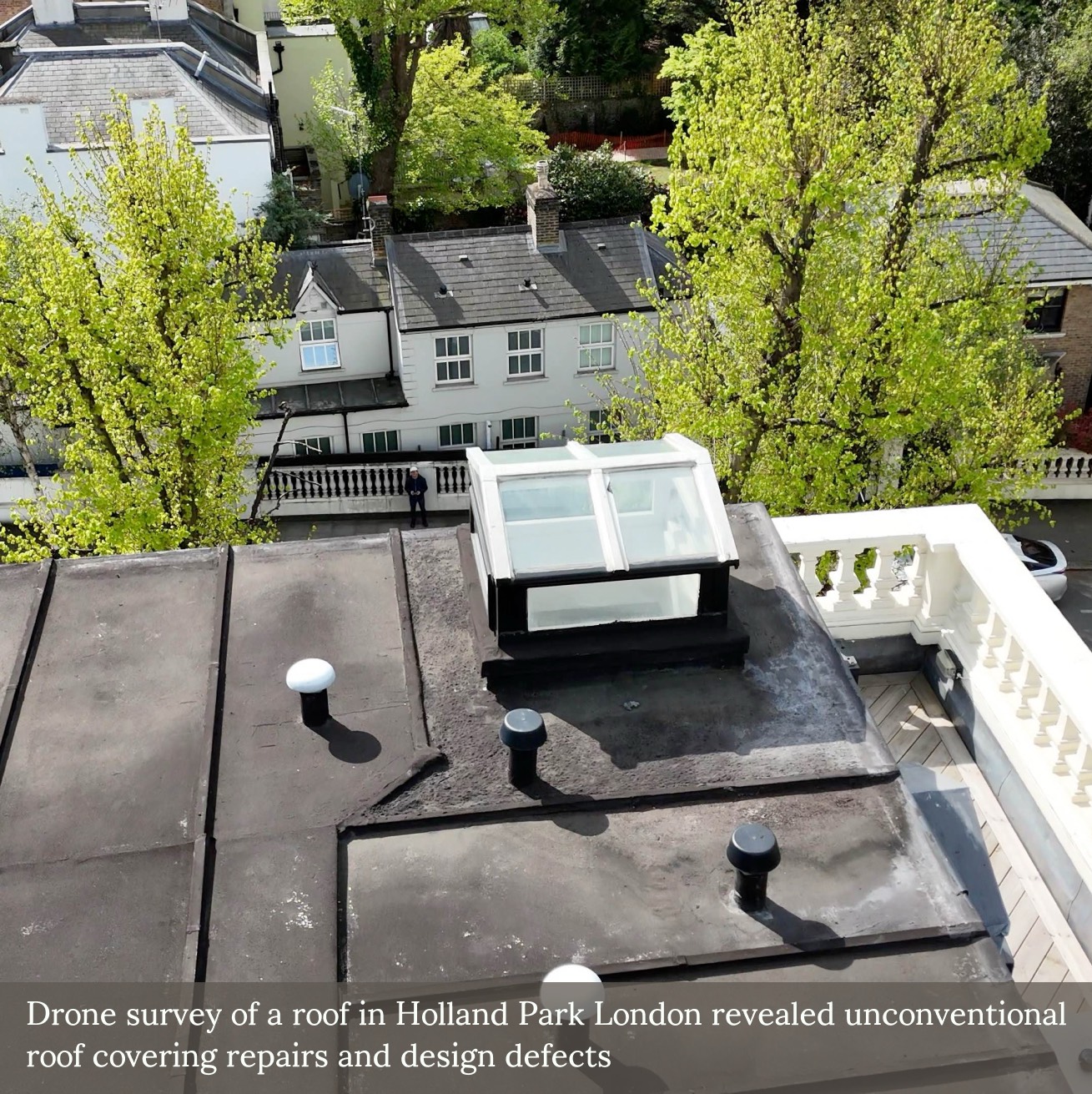
Two timber-framed roof lanterns formed part of a recent external inspection we undertook on a mansard roof in West London. Both featured single glazed elements, limited overhangs, and decorative paint finishes in poor condition.
The presence of condensation to internal glazing, along with signs of historical repair and timber exposure, highlights a common set of issues—particularly in traditional or poorly detailed roof structures.
Where single glazed rooflights are retained in occupied spaces, internal dampness is frequently the result of thermal bridging or trapped moisture, rather than rainwater penetration alone.
In such cases, replacement offers the opportunity to introduce modern, thermally efficient materials and more robust junction detailing—reducing risk and improving long-term performance.
AAL Chartered Surveyors
2026-04-10 11:27:03 British local time
Where Roof Design Meets Condensation Risk
Two timber-framed roof lanterns formed part of a recent external inspection we undertook on a mansard roof in West London. Both featured single glazed elements, limited overhangs, and decorative paint finishes in p...... Read more
Two timber-framed roof lanterns formed part of a recent external inspection we undertook on a mansard roof in West London. Both featured single glazed elements, limited overhangs, and decorative paint finishes in poor condition.
The presence of condensation to internal glazing, along with signs of historical repair and timber exposure, highlights a common set of issues—particularly in traditional or poorly detailed roof structures.
Where single glazed rooflights are retained in occupied spaces, internal dampness is frequently the result of thermal bridging or trapped moisture, rather than rainwater penetration alone.
In such cases, replacement offers the opportunity to introduce modern, thermally efficient materials and more robust junction detailing—reducing risk and improving long-term performance.
AAL Chartered Surveyors
2026-04-10 11:20:33 British local time
Where Roof Design Meets Condensation Risk
Two timber-framed roof lanterns formed part of a recent external inspection we undertook on a mansard roof in West London. Both featured single glazed elements, limited overhangs, and decorative paint finishes in p...... Read more
Two timber-framed roof lanterns formed part of a recent external inspection we undertook on a mansard roof in West London. Both featured single glazed elements, limited overhangs, and decorative paint finishes in poor condition.
The presence of condensation to internal glazing, along with signs of historical repair and timber exposure, highlights a common set of issues—particularly in traditional or poorly detailed roof structures.
Where single glazed rooflights are retained in occupied spaces, internal dampness is frequently the result of thermal bridging or trapped moisture, rather than rainwater penetration alone.
In such cases, replacement offers the opportunity to introduce modern, thermally efficient materials and more robust junction detailing—reducing risk and improving long-term performance.