
Party Wall in Marylebone

RICS Party Wall Surveyors in Marylebone

RICS party wall surveyor services including notices, schedules of condition, awards, and practical guidance for owners and neighbours. Serving Marylebone with measured procedural advice and neighbour-aware support.

Pyramus and Thisbe Club logo

Party wall support in Marylebone

Choose the right starting point for party wall matters in Marylebone

The next step often depends on whether you are proposing the works, responding as an adjoining owner, or need the award and schedule process moved forward.

Building owner route

Use this route if you are proposing works and need advice on whether the Act applies, which notices are required, and how to keep the process moving without avoidable delay.

Best suited to loft conversions, structural alteration, excavation, and refurbishment near a shared or boundary wall.

Adjoining owner route

Use this route if you have received a notice, need help responding, or want an independent surveyor to review risk, access, schedule of condition, and award terms.

Best suited to adjoining owners who want a measured, independent response before proposed works commence.

Award and schedule route

Use this route if the main need is an early schedule of condition, award progression, or procedural review of drawings and information already prepared for the works.

Useful where the project is already defined and the priority is formal procedure rather than early scoping.

Typically instructed by

Building owners, adjoining owners, and project teams planning notifiable works.

Common instruction stage

Before notice service, after dissent, or before a schedule of condition and award are progressed.

Typical output

Notices, surveyor appointments, schedules of condition, and practical awards.

Common settings

The page covers terraces, basements, urban commercial sites, and mixed-use conversion contexts.

Introduction to the Party Wall etc. Act 1996

The Party Wall etc. Act 1996 provides a statutory framework for certain categories of work that may affect an adjoining owner. It is commonly engaged where proposed works involve a party wall, a party structure, a boundary wall, or excavations close to neighbouring structures.

The Act is not intended to prevent lawful development. It is intended to regulate how notifiable works are communicated and agreed, with a focus on advance notice, dispute resolution, recording of existing condition, and practical requirements for protection, access, making good, and compensation.

Where the Act applies, early identification of the relevant notices and appointments usually reduces avoidable cost and delay. Where it does not apply, owners remain subject to wider common law duties and other statutory obligations.
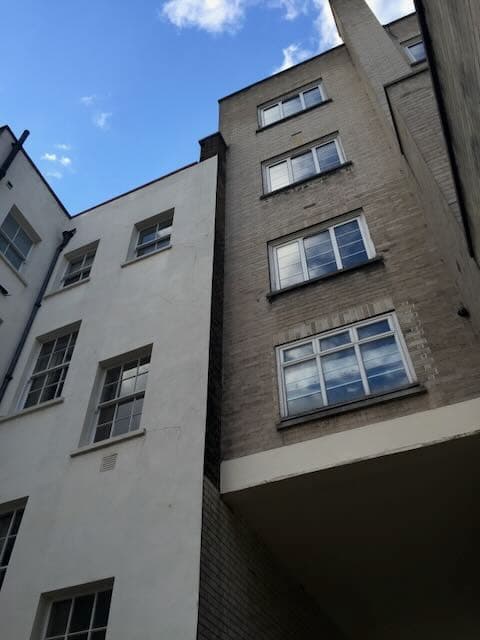
Surveying imagery used to represent party wall advice and adjoining owner risk management.

The Role of the Party Wall Surveyor

A party wall surveyor is appointed to determine matters arising from a dispute under the Act rather than to act as a partisan advocate for either owner. In practice, the role is to focus on points that materially affect risk, access, sequencing, protection, and the terms that should be recorded in the award.

The surveyor will commonly coordinate a schedule of condition, request drawings and structural information where necessary, and document decisions in a form that can be understood and followed by owners and contractors on site.

An effective appointment is usually characterised by early identification of the matters that need to be agreed and prompt progression to a proportionate award rather than prolonged correspondence for its own sake.

The Process

The process usually begins with service of the relevant notice on the adjoining owner. The adjoining owner may consent, dissent and appoint a surveyor, or agree to a single agreed surveyor. If a dispute arises, the statutory dispute resolution mechanism is engaged.

A schedule of condition is commonly undertaken at an early stage to record the state of the adjoining property that could be affected. Surveyors then review the proposed works, request further information where necessary, and negotiate towards an award that deals with access, sequencing, protection, working arrangements, and any route for dealing with damage.

During the works there may be interim inspections where the circumstances warrant them, and often an inspection at the end of the works to compare condition against the original schedule and address any making good or compensation issues.

Why Qualification and Ethics Matter

Appointment of an individual who is not fully competent in party wall procedure can introduce avoidable risk. Common issues include defective notices, incorrect identification of notifiable works, inadequate schedules of condition, and awards that are difficult to implement on site.

Ethical obligations are not a formality. Surveyors acting with integrity are expected to pursue proportionate settlement and maintain procedural discipline, rather than inflaming disagreement or generating unnecessary cost through extended correspondence and escalation.

A careful appointment, grounded in professional standards, helps reduce the likelihood of avoidable delay, repeated referrals, or progression into appeal and litigation.

Typical Projects

Historic Terraces and Masonry Buildings

Older buildings often require careful attention to shared walls, timber elements, settlement history, and the recording of pre-existing cracking before works begin.

Basements and Excavation-Led Projects

Excavation close to adjoining structures raises specific risk management issues around sequencing, temporary works, access, and the adequacy of design information.

Dense Urban Commercial Sites

Commercial property can introduce additional complexity where access, contractor logistics, programme pressure, and ongoing occupation all need to be reflected in the award terms.

Conversions and Mixed-Use Buildings

Refurbishment and change-of-use projects often combine structural alteration with neighbourly sensitivity, making clear inspection records and proportionate awards especially important.

Schedule of Condition for Party Wall Works

A schedule of condition is a standard part of most party wall instructions. Prepared before works start, it records the existing condition of the adjoining property so that if damage is later alleged, there is a clear dated record to compare against.

The schedule covers the parts of the adjoining property most likely to be affected by the proposed works — typically internal and external elements close to the boundary, including walls, ceilings, floors, windows, and any visible pre-existing cracking or defect.

Instructed and prepared early, before contractor mobilisation and before any works begin that could affect the adjoining structure, it creates a stronger evidential foundation for the award and a clearer basis for resolving any making-good claim at the end of the works.
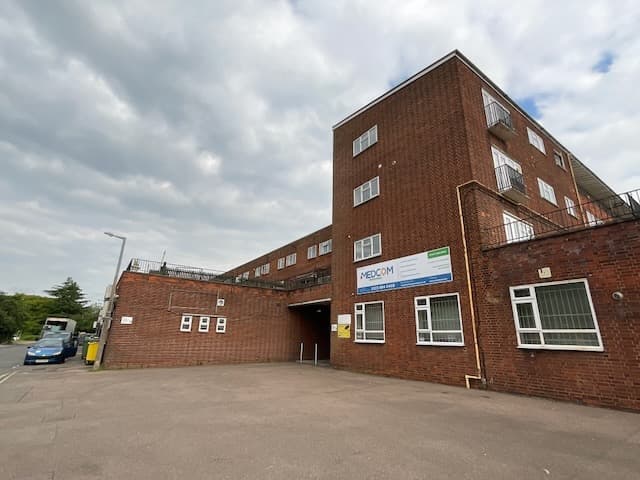
Property inspection imagery representing schedule of condition preparation for party wall works.

Party Wall FAQs

Practical answers to the questions clients usually ask before a party wall instruction is started.

A schedule of condition for party wall works should be prepared before contractor mobilisation and before any works begin that could affect the adjoining property. The earlier it is done, the more reliable the evidential record — once works have commenced, the original pre-existing condition is harder to establish with certainty.

In most party wall matters the building owner meets the cost of the schedule of condition, as it forms part of the surveying process that the building owner's proposed works have made necessary. The surveyor appointed under the Act will normally arrange and include the schedule as part of the overall procedure.

A schedule of condition is not an automatic legal requirement under the Party Wall etc. Act 1996, but it is standard practice in most instructions. Without one, it becomes much harder to establish what pre-existing defects or damage was already present before the works started, which can significantly complicate any later claim for making good or compensation.

A party wall schedule of condition typically covers the internal and external elements of the adjoining property most likely to be affected by the proposed works. That usually includes walls, ceilings, floors, windows, and any visible pre-existing cracking, damage, or repair history close to the boundary.

Planning Works Near a Shared Boundary? in Marylebone?

We can advise on notices, schedules of condition, surveyor appointments, and how to move the process forward properly.

Social Media Feed

Ayling Associates logo

AAL Chartered Surveyors

2026-04-21 18:20:00 British local time

LinkedIn logo
When navigating the complexities of a break clause and facing a terminal schedule of dilapidations, it's paramount to approach the situation with clarity and strategic foresight. Here's how we can assist:

Understanding Your Break Clause:
The first step is...... Read more
When navigating the complexities of a break clause and facing a terminal schedule of dilapidations, it's paramount to approach the situation with clarity and strategic foresight. Here's how we can assist:

Understanding Your Break Clause:
The first step is a thorough examination of your lease's break clause to understand your rights, obligations, and any conditionalities attached. Break clauses can be highly specific, and even minor oversights can impact your ability to exercise them effectively. We provide expert lease analysis to ensure that you are fully aware of the conditions you must meet to successfully enact the break clause.

Strategic Advice on Dilapidations Claims:
Upon receiving a terminal schedule of dilapidations, it's crucial to assess the extent and validity of the claimed breaches against the lease requirements. We guide our clients through each item listed in the schedule, advising on the landlord's likely entitlements and the reasonableness of the claims. This includes assessing whether repairs, reinstatements, or other works are genuinely necessary to fulfill your lease obligations.

Negotiating With Your Landlord:
Effective negotiation is key to managing dilapidations claims. Our team has extensive experience in negotiating dilapidations matters, ensuring that your interests are robustly represented. We aim to reach a settlement that minimizes your liabilities while complying with your lease terms, helping you to avoid the potential cost and disruption of legal disputes.

Preparation for Dilapidations Works:
If works are necessary to comply with the dilapidations schedule, we offer comprehensive support in planning and executing these works. Our expert surveyors can guide you through the entire process, from selecting contractors to overseeing the completion of works, ensuring that everything is conducted efficiently and to the required standards.

By providing tailored advice and proactive support, we help our clients smoothly navigate the complexities of break clauses and dilapidations, safeguarding your interests and facilitating a seamless transition at the end of your lease.
#terminalschedule #dilapidations #interimschedule #CommercialProperty #PropertySurveying #AssetManagement #PropertyMaintenance #BuildingDefects #BuildingSurveying #ConstructionSurveying #RealEstateSurveying #LeaseManagement
Break Clause
We advised our client and provided guidance in how to avoid frustration of their break clause. We worked along side the cliient’s solicitor to provide advice, and avoid the pitfulls of break clauses.
Ayling Associates logo

AAL Chartered Surveyors

2026-04-21 16:20:00 British local time

LinkedIn logo
Reinstatement Cost Assessment for Insurance Purposes for an historic building

Prestigious Central London Listed Building for An Academic Institution

At www.aylingassociates.com, providing a Reinstatement Cost Assessment for a prestigious listed building,...... Read more
Reinstatement Cost Assessment for Insurance Purposes for an historic building

Prestigious Central London Listed Building for An Academic Institution

At www.aylingassociates.com, providing a Reinstatement Cost Assessment for a prestigious listed building, particularly one utilised by an academic institution in the heart of London, requires an approach with a respect for the property's architectural and historical significance. Our methodology, complies fully with RICS guidelines, ensuring precision and reliability throughout the assessment process.

Methodology Overview

1. Desktop Study: Initially, we conduct a thorough desktop study. This step involves reviewing existing documentation, architectural plans, and historical records for the building to understand its unique characteristics, heritage, and the context of its construction. This stage also includes examining any legal or regulatory implications of its listed status which could influence the reinstatement valuation.

2. On-site Inspection: Following the desktop review, our chartered surveyors perform a detailed on-site inspection. Key activities during this phase include:
- Accurately measuring the building to ensure our costings are based on actual dimensions.
- Carefully identifying and recording the types of construction materials and building techniques used.
- Assessing the condition and extent of any alterations or additions made by the client, which might not only affect the building’s value but also its insurance requirements.

3. Cost Estimation: After gathering all necessary data, our team returns to the office to begin the task of translating these data into an accurate reinstatement cost. This includes calculating the costs involved in rebuilding the structure to its former condition in the event of significant damage or loss, in accordance with the requirements governing listed buildings.

4. Benchmarking: We benchmark our projected costs against similar real-world projects. This involves comparing our findings with recent, comparable rebuilds or restorations of listed buildings, ensuring our clients receive a realistic and market-reflective reinstatement valuation.

Our approach not only satisfies insurance requisites but also provides our clients with a clear and comprehensive understanding of the potential costs involved in reinstating their invaluable assets to their historic and rightful state.
#LossAdjustment #InsuranceAssessment #PropertyInsurance #ReinstatementCostAssessment #RestorationCost #CostEstimation #RiskAssessment #BuildingReinstatement #InsuranceClaims
METHODOLOGY
The methodology for undertaking reinstatement cost assessments involves a comprehensive approach following RICS guidance. Firstly, a desktop study is conducted to gain a thorough understanding of the building’s nature and historical context. Subsequently, an on-site inspection is undertaken to measure the building, identify construction materials and techniques employed, and assess the quality and nature of any client-installed additions or alterations. The findings from these investigations are then translated into a realistic rebuilding cost back in the office. Finally, cost benchmarks are established against comparable real-world examples of similar projects whenever feasible.
Ayling Associates logo

AAL Chartered Surveyors

2026-04-12 18:20:00 British local time

LinkedIn logo
When faced with a terminal schedule of dilapidations as a tenant, especially during the exercise of a break clause, it's crucial to navigate the process with thoroughness. Dilapidations can often be a complex field, with potential pitfalls and significant f...... Read more
When faced with a terminal schedule of dilapidations as a tenant, especially during the exercise of a break clause, it's crucial to navigate the process with thoroughness. Dilapidations can often be a complex field, with potential pitfalls and significant financial implications.

Upon receiving a terminal schedule of dilapidations, the initial step should be to seek professional advice to understand fully the claims being made and the obligations stipulated in your lease agreement. Our team at AAL Surveyors collaborates closely with experienced solicitors and liaises effectively with landlords' surveyors to ensure your position is robustly represented and protected.

A vital component of this process is the negotiation and finalisation of a release letter. This document is essential as it confirms the agreement between the tenant and the landlord concerning the condition of the property at the lease's end. Precision in the language used is crucial to reflect accurately the deal the tenant expects and to secure in terms favorable for both parties.

In this recent engagement, our approach involved working alongside solicitors and the landlord's surveyor. Our aim was to negotiate a release letter that not only aligned with our client's expectations but also facilitated a smooth and unambiguous final agreement. Our efforts ensured that the final engrossed document accurately embodied the agreed settlement terms, providing our client with reassurance and clarity as they moved forward.

For tenants, the benefits of such diligent professional support are clear. Not only does it help in possibly reducing the financial burden associated with dilapidations claims, but it also aids in ensuring a clean and undisputed exit from the property. This sets a solid foundation for future lease negotiations and maintains a good professional relationship with the landlord.

Our team offers technical and legal insight in the handling of tenant dilapidations, with a focus on achieving outcomes that align with our clients’ lease obligations and commercial objectives.
#terminalschedule #dilapidations #interimschedule #CommercialProperty #PropertySurveying #AssetManagement #PropertyMaintenance #BuildingDefects #BuildingSurveying #ConstructionSurveying #RealEstateSurveying #LeaseManagement
Release Letter
We worked along side the solicitos and the Landlords surveyor to agree a wording for the release letter that successfully reflected the deal that the tenant was expecting to get, and facilitated its agreement and final engrossment.
Ayling Associates logo

AAL Chartered Surveyors

2026-04-12 16:20:00 British local time

LinkedIn logo
In creating a schedule of condition for industrial units such as those with administrative offices in Edmonton, North London, it is imperative to provide a comprehensive overview that highlights any pre-existing issues or vulnerabilities. One critical aspec...... Read more
In creating a schedule of condition for industrial units such as those with administrative offices in Edmonton, North London, it is imperative to provide a comprehensive overview that highlights any pre-existing issues or vulnerabilities. One critical aspect often overlooked is the condition of the roof. Roof inspections play a pivotal role in lease schedules, helping to shield clients from unforeseen liabilities.

In this modern age, technology plays a crucial role in enhancing the thoroughness and accuracy of surveys. During a recent project, we adeptly utilised drone-based roof surveys, a method that offers a distinct advantage by capturing high-resolution aerial imagery. This approach ensures a detailed record of the roof's state, encompassing aspects like coverings and rainwater goods. It not only minimises the potential for disputes at the lease's end but also ensures that areas typically challenging to inspect, due to cost or safety concerns, are thoroughly documented.

Adopting such innovative techniques in our surveying processes allows us to offer a superior level of service, ensuring that both landlords and tenants have a clear understanding of existing conditions and potential issues. This foresight helps to manage risks effectively, creating a smooth and transparent lease engagement for all parties involved.
Importance of Roof Inspections in Lease Schedules

When preparing a schedule of condition for a client entering into a new lease, early identification of potential future liabilities is critical. On a recent instruction, we included a drone-based roof survey as part of the process. This allowed for a clear, high-level record of the condition of coverings and rainwater goods, reducing the likelihood of dispute at lease end. Aerial imaging provides access to areas that are otherwise difficult to inspect safely, particularly where access costs or restrictions might otherwise preclude a full inspection.
Ayling Associates logo

AAL Chartered Surveyors

2026-04-12 14:20:00 British local time

LinkedIn logo
Efficiently navigating the complexities of a large industrial unit inspection, especially one with accompanying administrative offices like in Edmonton, North London, requires attention to detail. Our bespoke software is at the heart of this process, offeri...... Read more
Efficiently navigating the complexities of a large industrial unit inspection, especially one with accompanying administrative offices like in Edmonton, North London, requires attention to detail. Our bespoke software is at the heart of this process, offering a sophisticated approach to compiling comprehensive schedules of condition that stand out for their clarity and precision.

These bespoke tools are instrumental in creating schedules that are not only easy to interpret but also firmly anchored in objective, well-documented records. By utilising this innovative software, we're able to produce detailed and consistent reports swiftly, which proved invaluable in a recent assignment. Our client was afforded clear insight into their repair obligations, effectively capturing the initial condition to prevent any future disputes.

This strategic approach ensures that each schedule we prepare supports fair and transparent lease management, clearing up potential ambiguities that might arise. If you're considering a full assessment for your industrial premises, our structured, technology-driven methodology promises a hassle-free and thorough documentation process, perfectly tailored to your specific needs.
Use of Bespoke Tools in Schedule Preparation

Schedules of condition are most effective when they are easy to interpret and based on objective records. To assist with this, we have developed our own software, designed specifically for lease-related instructions. It allows us to generate detailed outputs quickly, while maintaining consistency in terminology and layout. In a recent case, this helped our client gain clarity on repair obligations and ensure that the incoming position was well documented. A well-structured schedule reduces ambiguity and supports fair lease management.
Ayling Associates logo

AAL Chartered Surveyors

2026-04-12 13:40:23 British local time

LinkedIn logo
A well-prepared schedule of condition serves as an invaluable asset in any lease agreement, particularly for large industrial units with administrative offices, such as in Edmonton, North London. The key to a successful schedule is all in the detail and org...... Read more
A well-prepared schedule of condition serves as an invaluable asset in any lease agreement, particularly for large industrial units with administrative offices, such as in Edmonton, North London. The key to a successful schedule is all in the detail and organisation.

We utilise our own bespoke software that enhances clarity and coherence. Each photograph taken is tagged with location and element type, offering an ease of navigation that sets our records apart. This tagging system not only aids efficiency but also enhances the accuracy and credibility of the document, ensuring all parties have a clear understanding of the property's condition.

We understand that storage needs can vary, so all high-definition images are provided in three different file sizes. This flexibility ensures our clients can choose the best option to suit their needs, whether it's for comprehensive review or streamlined storage.

Furthermore, the original files are provided in a structured format, ensuring full traceability and helping to maintain the integrity of the visual records over the duration of the lease. This approach is designed to instil confidence and peace of mind, knowing every aspect of the property’s condition is documented clearly and thoroughly.

Whether you require a schedule of condition for an industrial unit, commercial space, or residential property, our expertise and innovative solutions are here to support you in navigating the complexities of lease agreements with clarity and assurance.
Structuring Evidence in a Lease Schedule

The value of a lease schedule of condition is in its clarity and structure. Our own software supports this by tagging each photograph with its location and element type, allowing users to navigate the record efficiently. High-definition images are supplied in three file sizes to suit varying storage and review requirements, and original files are provided in a structured format to ensure traceability. This systematic approach helps to ensure that visual records remain reliable over the course of a lease.
Ayling Associates logo

AAL Chartered Surveyors

2026-04-11 14:20:00 British local time

LinkedIn logo
Dilapidations Advice for Warehouse Unit in South East London: Methodology

We are dedicated to providing our clients with thorough and strategic dilapidations advice ensuring that tenant obligations and liabilities are clearly understood and managed effecti...... Read more
Dilapidations Advice for Warehouse Unit in South East London: Methodology

We are dedicated to providing our clients with thorough and strategic dilapidations advice ensuring that tenant obligations and liabilities are clearly understood and managed effectively. Our approach typically involves the following steps:

1. Lease Documentation Review

Initially we review the lease documents to pinpoint the relevant dilapidations clauses and obligations relevant to the claim. This step is crucial to understanding the legal framework and responsibilities before any further assessment is made.

2. Schedule of Dilapidations Review

We then obtain and carefully analyse the schedule of dilapidations paying close attention to the listed items and any related timelines. This document is fundamental in setting the scope of our inspection and subsequent actions.

3 Site Inspection

Our chartered surveyors conduct a detailed onsite inspection of the property to ascertain its current condition. This involves a thorough examination to spot any discrepancies with the schedule and to understand the context of each noted issue.

4. Evidence Compilation

We gather substantial photographic and documentary evidence during our inspection to substantiate our findings. The evidence that we gather is essential for accurately presenting the condition of the property and supporting any discussions or negotiations.

5. Condition Comparison

Our team compares the condition of the property as observed onsite with the details recorded in the schedule of dilapidations. We note any inconsistencies or erroneously included items which might affect the tenant liabilities.

6. Cost Assessment

We assess the scope and potential costs associated with the remedial works detailed in the schedule, always referencing current market rates to ensure fairness and accuracy.

7. Tenant Consultation

Subsequent to our assessment we engage directly with you the tenant to discuss our findings comprehensively. This includes a clarification of your lease obligations the physical condition findings and any potential areas for dispute or negotiation.

8. Legal Consultation

If necessary we consult with legal advisers to dissect complex lease provisions or to discuss potential defence strategies. This is to ensure that every legal aspect is meticulously considered and upheld

9. Negotiation and Liaison

Finally we represent you in discussions with the landlord or their appointed agent. Our goal here is to negotiate any changes to the schedule of dilapidations based on our findings aiming to minimise your potential liabilities and ensure a fair conclusion.

#terminalschedule #dilapidations #BuildingSurveying #AssetManagement #CommercialProperty #BuildingDefects #PropertySurveying
METHODOLOGY
When taking on a dilapidations instruction representing a tenant like this one, we undertake the following steps: 
- Review the lease documentation to identify any specific dilapidations clauses and obligations applicable to the tenant.
- Obtain and review the schedule of dilapidations in detail, noting the items listed and any specified timeframes.
- Conduct a comprehensive site inspection of the building to establish the current condition of the property and to identify any discrepancies with the schedule.
- Compile photographic and documentary evidence to support the findings of the site inspection.
- Compare the observed condition of the property with the condition recorded in the schedule of dilapidations, noting any inconsistencies or items that may have been included erroneously.
- Assess the scope and potential cost of any remedial works as outlined in the schedule, referring to market rates where applicable.
- Engage with the tenant to review the findings, clarifying the tenant's obligations under the lease and any potential areas for dispute.
- Consult with legal advisers if necessary, particularly in relation to the interpretation of lease provisions and any potential defences.
- Prepare a comprehensive report outlining the findings, including a detailed description of discrepancies, a cost estimation of remedial works, and any recommendations for negotiation or further investigation.
- Liaise with the landlord or their representative to discuss the findings and to negotiate any amendments to the schedule of dilapidations, as appropriate.
Ayling Associates logo

AAL Chartered Surveyors

2026-04-11 12:20:00 British local time

LinkedIn logo
At our recent commercial due diligence survey of an industrial unit in East London the findings of our report led to significant financial advantages for our client. We identified several issues which equated to potential cost savings of approximately £150,...... Read more
At our recent commercial due diligence survey of an industrial unit in East London the findings of our report led to significant financial advantages for our client. We identified several issues which equated to potential cost savings of approximately £150,000.

These findings played a pivotal role in empowering our client during lease negotiations. With the evidence provided by us, our client was able to engage confidently and effectively in discussions with the landlord. This not only facilitated a reconsideration of the lease terms but also allowed the client to negotiate a reduction in rental values and improvements to other lease-related conditions.

Our proactive approach in highlighting these issues underscores our commitment to adding tangible value to our clients' investment decisions.

By ensuring that all factors are thoroughly vetted, we position our clients in a place of strength, enabling them to make informed and advantageous decisions and negotiations.
#FacilitiesManagement #AssetManagement #PropertyMaintenance #BuildingDefects #BuildingSurvey #RealEstateSurvey #StructuralAssessment #PropertyInspection #CommercialBuildingSurvey #CommercialProperty
Cost Saving
We identified issues that give rise to cost savings that equate to circa £150,000. The issues that we identified were used by the client/tenant to reconsider the lease for the property. 
In addition to this the defects that were identified allowed the client to negotiate with the landlord with regard to the rental value of the property, and other lease terms.
Ayling Associates logo

AAL Chartered Surveyors

2026-04-11 10:20:01 British local time

LinkedIn logo
When Flat Roof Coverings Diverge from Standard Practice

We recently carried out a drone-based roof condition inspection in West London, where an unusual bituminous liquid-applied membrane had been installed over a zinc flat roof.

This type of overlay—rein...... Read more
When Flat Roof Coverings Diverge from Standard Practice

We recently carried out a drone-based roof condition inspection in West London, where an unusual bituminous liquid-applied membrane had been installed over a zinc flat roof.

This type of overlay—reinforced with a textile mesh—is not typically encountered in applications of this kind, where polymeric systems are more commonly specified. In this case, surface discolouration, exposed reinforcement mesh, and evidence of ponding all raised concerns regarding durability and workmanship.

When flat roofing systems deviate from established detailing or product specifications, there is increased risk of premature failure—particularly when installation records or manufacturer compliance documentation are unavailable.

Early identification through external inspection can assist in defining appropriate next steps, including testing or sampling to determine whether remedial works or full replacement is required.
Roof Risk Without Internal Access

We are often instructed to assess external roof coverings where internal access is restricted. A recent case in W14 illustrates the value of high-level drone inspection for identifying latent structural concerns from the outside.

Numerous depressions in the flat roof deck suggested potential hidden deterioration of the substrate, likely linked to historical water ingress. In the absence of internal inspection, we recommended core sampling to confirm the extent of any concealed damage and to inform the appropriate scope of remedial work.

External-only inspections, when carried out systematically, can yield sufficient evidence to justify further investigation, particularly where the risk of ongoing deterioration to concealed timber or insulation is suspected.
Ayling Associates logo

AAL Chartered Surveyors

2026-04-11 08:24:38 British local time

LinkedIn logo
Roof Risk Without Internal Access

We are often instructed to assess external roof coverings where internal access is restricted. A recent case in W14 illustrates the value of high-level drone inspection for identifying latent structural concerns from the o...... Read more
Roof Risk Without Internal Access

We are often instructed to assess external roof coverings where internal access is restricted. A recent case in W14 illustrates the value of high-level drone inspection for identifying latent structural concerns from the outside.

Numerous depressions in the flat roof deck suggested potential hidden deterioration of the substrate, likely linked to historical water ingress. In the absence of internal inspection, we recommended core sampling to confirm the extent of any concealed damage and to inform the appropriate scope of remedial work.

External-only inspections, when carried out systematically, can yield sufficient evidence to justify further investigation, particularly where the risk of ongoing deterioration to concealed timber or insulation is suspected.
When Flat Roof Coverings Diverge from Standard Practice

We recently carried out a drone-based roof condition inspection in West London, where an unusual bituminous liquid-applied membrane had been installed over a zinc flat roof.

This type of overlay—reinforced with a textile mesh—is not typically encountered in applications of this kind, where polymeric systems are more commonly specified. In this case, surface discolouration, exposed reinforcement mesh, and evidence of ponding all raised concerns regarding durability and workmanship.

When flat roofing systems deviate from established detailing or product specifications, there is increased risk of premature failure—particularly when installation records or manufacturer compliance documentation are unavailable.

Early identification through external inspection can assist in defining appropriate next steps, including testing or sampling to determine whether remedial works or full replacement is required.
Ayling Associates logo

AAL Chartered Surveyors

2026-04-10 20:30:33 British local time

LinkedIn logo
Where Roof Design Meets Condensation Risk

Two timber-framed roof lanterns formed part of a recent external inspection we undertook on a mansard roof in West London. Both featured single glazed elements, limited overhangs, and decorative paint finishes in p...... Read more
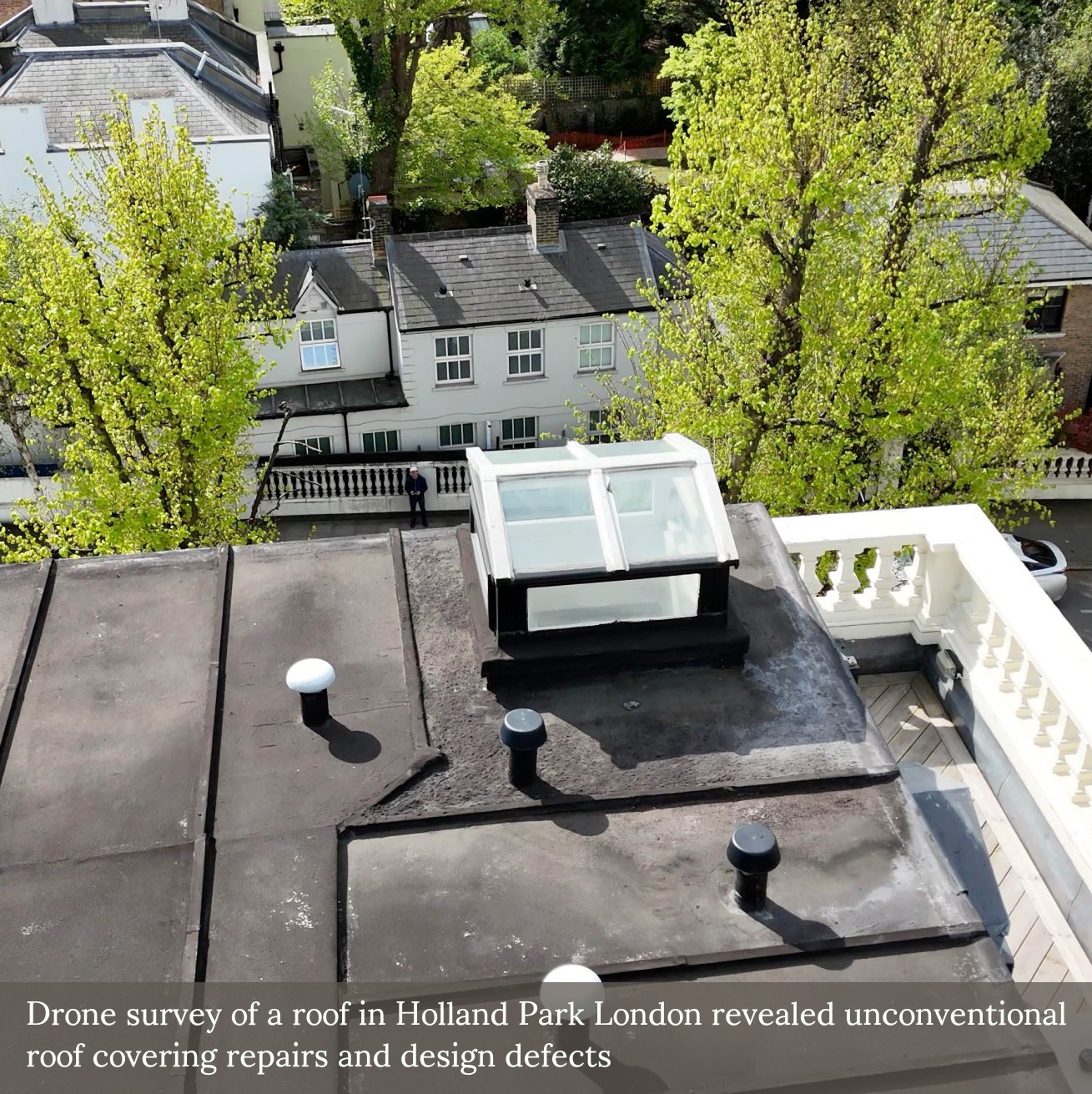
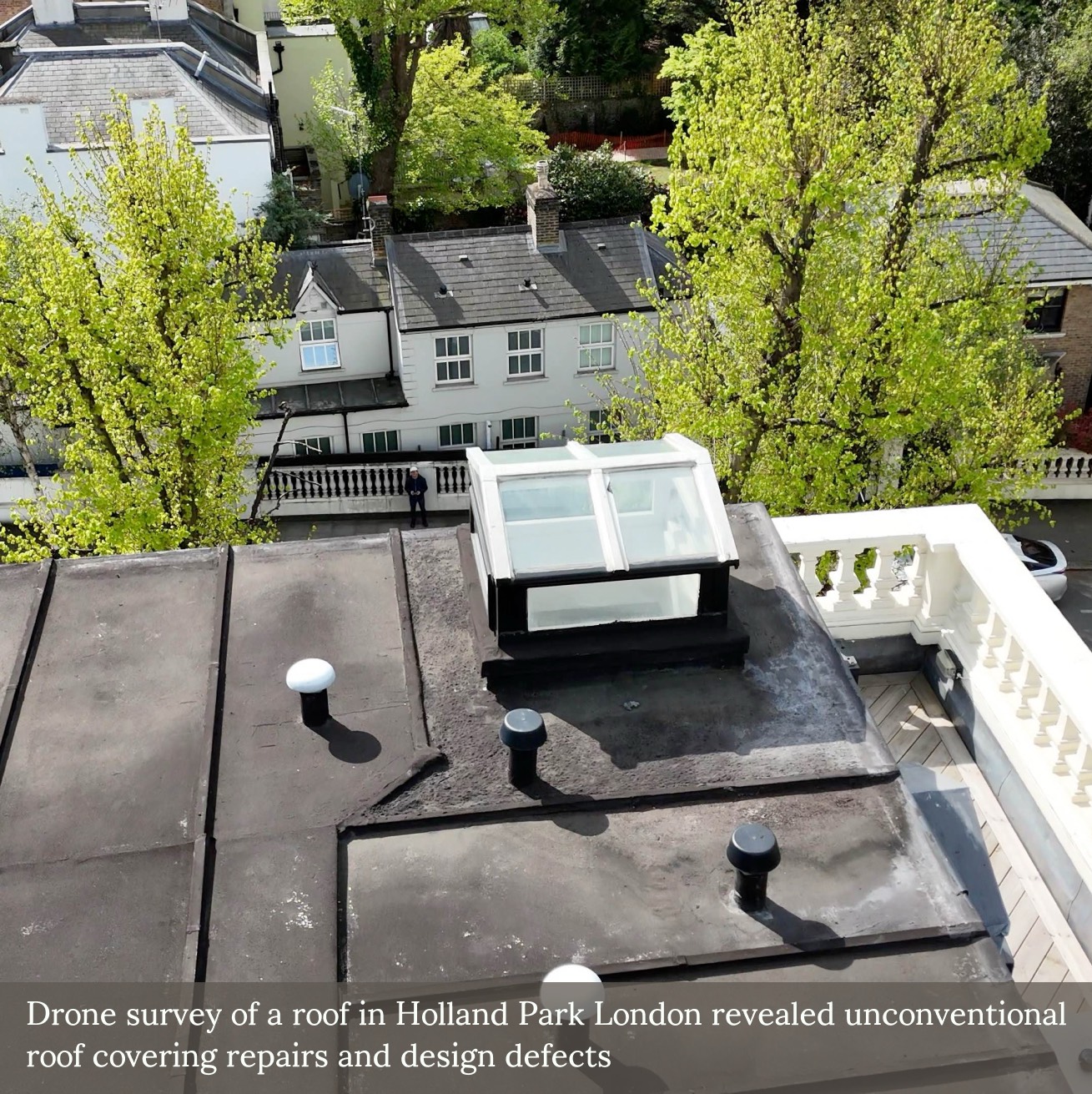
Where Roof Design Meets Condensation Risk

Two timber-framed roof lanterns formed part of a recent external inspection we undertook on a mansard roof in West London. Both featured single glazed elements, limited overhangs, and decorative paint finishes in poor condition.

The presence of condensation to internal glazing, along with signs of historical repair and timber exposure, highlights a common set of issues—particularly in traditional or poorly detailed roof structures.

Where single glazed rooflights are retained in occupied spaces, internal dampness is frequently the result of thermal bridging or trapped moisture, rather than rainwater penetration alone.

In such cases, replacement offers the opportunity to introduce modern, thermally efficient materials and more robust junction detailing—reducing risk and improving long-term performance.
Where Roof Design Meets Condensation Risk

Two timber-framed roof lanterns formed part of a recent external inspection we undertook on a mansard roof in West London. Both featured single glazed elements, limited overhangs, and decorative paint finishes in poor condition.

The presence of condensation to internal glazing, along with signs of historical repair and timber exposure, highlights a common set of issues—particularly in traditional or poorly detailed roof structures.

Where single glazed rooflights are retained in occupied spaces, internal dampness is frequently the result of thermal bridging or trapped moisture, rather than rainwater penetration alone.

In such cases, replacement offers the opportunity to introduce modern, thermally efficient materials and more robust junction detailing—reducing risk and improving long-term performance.
Ayling Associates logo

AAL Chartered Surveyors

2026-04-10 11:40:23 British local time

LinkedIn logo
Where Roof Design Meets Condensation Risk

Two timber-framed roof lanterns formed part of a recent external inspection we undertook on a mansard roof in West London. Both featured single glazed elements, limited overhangs, and decorative paint finishes in p...... Read more
Where Roof Design Meets Condensation Risk

Two timber-framed roof lanterns formed part of a recent external inspection we undertook on a mansard roof in West London. Both featured single glazed elements, limited overhangs, and decorative paint finishes in poor condition.

The presence of condensation to internal glazing, along with signs of historical repair and timber exposure, highlights a common set of issues—particularly in traditional or poorly detailed roof structures.

Where single glazed rooflights are retained in occupied spaces, internal dampness is frequently the result of thermal bridging or trapped moisture, rather than rainwater penetration alone.

In such cases, replacement offers the opportunity to introduce modern, thermally efficient materials and more robust junction detailing—reducing risk and improving long-term performance.
Where Roof Design Meets Condensation Risk

Two timber-framed roof lanterns formed part of a recent external inspection we undertook on a mansard roof in West London. Both featured single glazed elements, limited overhangs, and decorative paint finishes in poor condition.

The presence of condensation to internal glazing, along with signs of historical repair and timber exposure, highlights a common set of issues—particularly in traditional or poorly detailed roof structures.

Where single glazed rooflights are retained in occupied spaces, internal dampness is frequently the result of thermal bridging or trapped moisture, rather than rainwater penetration alone.

In such cases, replacement offers the opportunity to introduce modern, thermally efficient materials and more robust junction detailing—reducing risk and improving long-term performance.
Ayling Associates logo

AAL Chartered Surveyors

2026-04-10 11:32:43 British local time

LinkedIn logo
Where Roof Design Meets Condensation Risk

Two timber-framed roof lanterns formed part of a recent external inspection we undertook on a mansard roof in West London. Both featured single glazed elements, limited overhangs, and decorative paint finishes in p...... Read more
Where Roof Design Meets Condensation Risk

Two timber-framed roof lanterns formed part of a recent external inspection we undertook on a mansard roof in West London. Both featured single glazed elements, limited overhangs, and decorative paint finishes in poor condition.

The presence of condensation to internal glazing, along with signs of historical repair and timber exposure, highlights a common set of issues—particularly in traditional or poorly detailed roof structures.

Where single glazed rooflights are retained in occupied spaces, internal dampness is frequently the result of thermal bridging or trapped moisture, rather than rainwater penetration alone.

In such cases, replacement offers the opportunity to introduce modern, thermally efficient materials and more robust junction detailing—reducing risk and improving long-term performance.
Ayling Associates logo

AAL Chartered Surveyors

2026-04-10 11:27:03 British local time

LinkedIn logo
Where Roof Design Meets Condensation Risk

Two timber-framed roof lanterns formed part of a recent external inspection we undertook on a mansard roof in West London. Both featured single glazed elements, limited overhangs, and decorative paint finishes in p...... Read more
Where Roof Design Meets Condensation Risk

Two timber-framed roof lanterns formed part of a recent external inspection we undertook on a mansard roof in West London. Both featured single glazed elements, limited overhangs, and decorative paint finishes in poor condition.

The presence of condensation to internal glazing, along with signs of historical repair and timber exposure, highlights a common set of issues—particularly in traditional or poorly detailed roof structures.

Where single glazed rooflights are retained in occupied spaces, internal dampness is frequently the result of thermal bridging or trapped moisture, rather than rainwater penetration alone.

In such cases, replacement offers the opportunity to introduce modern, thermally efficient materials and more robust junction detailing—reducing risk and improving long-term performance.
Ayling Associates logo

AAL Chartered Surveyors

2026-04-10 11:20:33 British local time

LinkedIn logo
Where Roof Design Meets Condensation Risk

Two timber-framed roof lanterns formed part of a recent external inspection we undertook on a mansard roof in West London. Both featured single glazed elements, limited overhangs, and decorative paint finishes in p...... Read more
Where Roof Design Meets Condensation Risk

Two timber-framed roof lanterns formed part of a recent external inspection we undertook on a mansard roof in West London. Both featured single glazed elements, limited overhangs, and decorative paint finishes in poor condition.

The presence of condensation to internal glazing, along with signs of historical repair and timber exposure, highlights a common set of issues—particularly in traditional or poorly detailed roof structures.

Where single glazed rooflights are retained in occupied spaces, internal dampness is frequently the result of thermal bridging or trapped moisture, rather than rainwater penetration alone.

In such cases, replacement offers the opportunity to introduce modern, thermally efficient materials and more robust junction detailing—reducing risk and improving long-term performance.
Ayling Associates logo

AAL Chartered Surveyors

2026-04-10 11:02:27 British local time

LinkedIn logo
Where Roof Design Meets Condensation Risk

Two timber-framed roof lanterns formed part of a recent external inspection we undertook on a mansard roof in West London. Both featured single glazed elements, limited overhangs, and decorative paint finishes in p...... Read more
Where Roof Design Meets Condensation Risk

Two timber-framed roof lanterns formed part of a recent external inspection we undertook on a mansard roof in West London. Both featured single glazed elements, limited overhangs, and decorative paint finishes in poor condition.

The presence of condensation to internal glazing, along with signs of historical repair and timber exposure, highlights a common set of issues—particularly in traditional or poorly detailed roof structures.

Where single glazed rooflights are retained in occupied spaces, internal dampness is frequently the result of thermal bridging or trapped moisture, rather than rainwater penetration alone.

In such cases, replacement offers the opportunity to introduce modern, thermally efficient materials and more robust junction detailing—reducing risk and improving long-term performance.
Ayling Associates logo

AAL Chartered Surveyors

2026-04-10 10:56:14 British local time

LinkedIn logo
At our recent commercial due diligence survey of an industrial unit in East London, we utilised drone technology to conduct a detailed inspection of areas otherwise impossible to access, such as the roof, cladding, and high-level windows. Our surveyors, who...... Read more
At our recent commercial due diligence survey of an industrial unit in East London, we utilised drone technology to conduct a detailed inspection of areas otherwise impossible to access, such as the roof, cladding, and high-level windows. Our surveyors, who are also fully qualified drone pilots, are registered with the Civil Aviation Authority. This ensures compliance with the highest standards of safety, particularly in urban environments where airspace restrictions are prevalent.

The drone survey captured high-resolution images and data of the relevant areas, allowing us to identify key issues that might otherwise have been missed. Specifically, we discovered significant defects in the roof and cladding, along with issues in the rainwater goods. Such findings are crucial as they hold the potential to save our client significant expenditure, mitigating risks that could escalate into costly repairs if left unaddressed.

Our ability to integrate drone technology into traditional surveying practices not only elevates the thoroughness of our inspections but also adds substantial value to our clients by providing more comprehensive insights. This case in East London is a prime example of how leveraging innovative technology can lead to advantageous outcomes for our clients, ensuring their investments are sound, and their properties are maintained to the highest standard.
#FacilitiesManagement #AssetManagement #PropertyMaintenance #BuildingDefects #BuildingSurvey #RealEstateSurvey #StructuralAssessment #PropertyInspection #CommercialBuildingSurvey #CommercialProperty
DRONE SURVEY
A drone survey was undertaken which enabled a detailed inspection of the roof, cladding, and high level windows. All of our surveyors are fully qualified drone pilots and registered with the Civil Aviation Authority to fly camera drones subject to local airspace restrictions. For this survey were were able to determine significant roof defects, cladding defects, and problems with the rainwater goods that had the potential to save the client tens of thousands of pounds.
Ayling Associates logo

AAL Chartered Surveyors

2026-04-10 10:49:44 British local time

LinkedIn logo
Navigating a terminal schedule of dilapidations, particularly when linked to a break clause, requires careful handling to protect tenant interests and limit liabilities.

Our support typically includes:

1. Review of Landlord’s Schedule: We carry out a line...... Read more
Navigating a terminal schedule of dilapidations, particularly when linked to a break clause, requires careful handling to protect tenant interests and limit liabilities.

Our support typically includes:

1. Review of Landlord’s Schedule: We carry out a line-by-line analysis of the landlord’s claim, identifying any overstated or unjustified items.

2. Preparation of Scott Schedule: Based on our review, we produce a structured counter-schedule, setting out what we consider fair and reasonable.

3. Negotiation: Using the Scott Schedule, we engage with the landlord’s surveyor to resolve discrepancies and reduce financial exposure.

4. Settlement: We work closely with your solicitor to conclude negotiations efficiently and in accordance with lease obligations.

5. Ongoing Advice: Post-settlement, we remain available to advise on the execution of agreed works.

Our role throughout is to ensure that your position is robustly represented and your exposure is minimised. Please contact us if you are dealing with a terminal schedule. In most cases, we can achieve a material reduction in the claim.
#terminalschedule #dilapidations #interimschedule #CommercialProperty #PropertySurveying #AssetManagement #PropertyMaintenance #BuildingDefects #BuildingSurveying #ConstructionSurveying #RealEstateSurveying #LeaseManagement
Terminal Schedule of dilapidations
For this particular matter, we reviewed the Landlord’s schedule of dilapidations on a line-for-line basis to evaluate the scale of the claim provided by the Landlords surveyor, and provided a scott schedule. The Scott schedule became the basis for negotiation of a settlement figure, which was successfully agreed and finalised by ourselves in conjunction with the Tenant’s solicitor and the Landlord’s surveyor.
Ayling Associates logo

AAL Chartered Surveyors

2026-04-10 10:48:08 British local time

LinkedIn logo
Dilapidations Case in Great Portland Street:

Navigating the complexities of dilapidations claims can be challenging, which is why our expertise in dealing with such matters was pivotal in assisting a tenant on Great Portland Street. When faced with a claim...... Read more
Dilapidations Case in Great Portland Street:

Navigating the complexities of dilapidations claims can be challenging, which is why our expertise in dealing with such matters was pivotal in assisting a tenant on Great Portland Street. When faced with a claim that appeared overstated, we stepped in to provide a comprehensive assessment and achieve a more balanced outcome.

Our careful evaluation involved:

- Reviewing the schedule of dilapidations to ensure accuracy and relevance.
- Identifying discrepancies where items exceeded lease obligations or inaccurately represented the tenant's responsibility.
- Scrutinising the cost methodology for items, paying particular attention to pricing basis, any potential betterment, and associated consequential works.

Through our strategic negotiations with the landlord’s surveyor, we were able to secure a significant reduction in the claim, resulting in substantial cost savings for our client. This case exemplifies our commitment to safeguarding tenant interests while fostering constructive relations within the landlord-tenant dynamic. If you're facing a similar challenge, we're here to help you navigate it efficiently and effectively.
#interimschedule #BuildingDefects #dilapidations #ConstructionSurveying #CommercialProperty #RealEstateSurveying #terminalschedule #BuildingSurveying #AssetManagement #PropertySurveying #LeaseManagement
Assessment of the Schedule of Dilapidations
For this claim, we acted for the tenant to reduce the claim that they received, which they considered was much higher than it should have been.
Our assessment included: 
- Review of the items claimed in the schedule for accuracy and relevance
- Identification of works that exceed lease obligations or misrepresent the tenant’s liability
- Examination of methodology used to cost the works (e.g. pricing basis, inclusion of betterment, consequential works, etc.)

Subsequently, we took on negotiations with the landlord’s surveyor and acheived a significant cost saving for the tenant.
Ayling Associates logo

AAL Chartered Surveyors

2026-04-05 11:00:00 British local time

LinkedIn logo
WIP coming soon

Local Area

About Marylebone

Marylebone

Marylebone sits in the City of Westminster in central London, between Regent's Park and Oxford Street, an affluent residential, professional, and retail area defined by exceptional Georgian and early-Victorian stucco-fronted terraces and townhouses across the streets of the Howard de Walden and Portman estates, substantial Victorian and Edwardian mansion blocks, listed institutional buildings around Harley Street and the medical quarter, the retail frontage of Marylebone High Street and Oxford Street, and selective recent high-specification residential and mixed-use development. Typical building types include listed Georgian and early-Victorian townhouses, Victorian and Edwardian mansion blocks, period commercial and consulting-room premises, and recent high-value apartment developments. Surveying instructions in Marylebone commonly include pre-purchase surveys on listed and period stock, technical due diligence on investment transactions, schedule-of-condition and dilapidations work on office, consulting-room, and retail leases, and party wall and basement advice.

Listed and Estate-Managed Stock

Marylebone's residential streets sit within extensive conservation-area designations, with substantial listed-building coverage and estate-management controls from the Howard de Walden and Portman estates. Pre-purchase and pre-lease assessments require detailed attention to stucco render and brick condition, parapet and valley gutter performance, timber sash window and cornice joinery, slate mansard roofs, and the cumulative impact of successive conversions. Estate consent requirements add a further layer of control beyond local authority conservation-area and listed-building obligations.

Harley Street and Professional Leases

The Harley Street medical quarter generates distinctive commercial lease work — schedules of condition at lease commencement, licences to alter for consulting-room and clinic fit-outs, reinstatement costings, and dilapidations claims at lease expiry. Clinical ventilation, acoustic separation, and fire safety are common licence-to-alter themes. Office and retail stock along Marylebone High Street, Wigmore Street, and the surrounding streets supports further schedule-of-condition, dilapidations, and CAT A and CAT B work.

Basements, Party Walls, and Mansion Blocks

High property values have generated an active basement excavation market. Party wall work under the Party Wall etc. Act 1996 is extensive, with detailed schedules of condition on adjoining owners essential. Victorian and Edwardian mansion-block stock presents communal-element and leasehold considerations central to purchaser advice, including service-charge adequacy, sinking-fund provision, and Building Safety Act compliance.