
Commercial Schedule of Condition to Limit Dilapidations Liability in Crystal Palace
A commercial schedule of condition in Crystal Palace records lease-start condition and is intended to limit future dilapidations liability, subject to proper incorporation into the lease. It can provide material evidence where repair, reinstatement, break clause, or terminal dilapidations claims later arise. Those claims can range from tens of thousands of pounds to millions of pounds on larger commercial premises.
Need a fee proposal quickly? Fill in our fast track form and we will send you a fee proposal the same working day.
Fast Track Quotation →Lease-start liability warning
Do not wait until the terminal schedule arrives
Our dilapidations work regularly involves tenants who did not appreciate the repair, reinstatement, and yielding-up liability accepted at lease inception. A detailed schedule of condition in Crystal Palace is intended to reduce that later shock by recording the condition before occupation, tenant works, or lease commencement.
A schedule cannot guarantee a saving, and it must be properly incorporated into the lease, but it can provide the evidence needed to challenge inherited disrepair, overstated repair demands, and elements of a terminal dilapidations claim that exceed the agreed repairing obligation.
Small offices
Dilapidations exposure can still reach tens of thousands of pounds where reinstatement, redecoration, services, or fabric repairs are disputed.
Medium premises
Larger offices, retail premises, warehouses, and industrial units can move into hundreds of thousands of pounds where lease-end repair scope is contested.
Large commercial buildings
Complex terminal dilapidations claims can reach seven figures or more where multiple floors, plant, facades, fit-out, and statutory items are in issue.
Schedules of condition in Crystal Palace
Choose the right starting point for a schedule of condition in Crystal Palace
Choose the route that matches the stage you are at. The earlier the schedule is instructed, the stronger the record is likely to be when inherited disrepair, repair liability, or a later dilapidations claim has to be assessed.
Before lease completion
Use this route if the lease is being agreed and you need lease-start evidence before repair obligations attach and before inherited defects become harder to separate from tenant liability.
Best suited to commercial tenants, occupiers, solicitors, and advisers who need the condition record completed before the transaction is finalised.
Before works start
Use this route if you need a defensible record of condition before nearby works, neighbour works, or project activity that could later generate dispute about pre-existing defects or damage.
Best suited where timing is tight and the condition record needs to be completed before contractors mobilise or site activity begins to affect the pre-existing state.
Searching in connection with a party wall matter?
If your need relates to a party wall matter rather than a commercial lease, use this route. A condition record of the adjoining property is commonly required before notifiable works begin.
Suited to building owners whose notice has been served and adjoining owners who want the condition of their property recorded before works start.
Typically instructed by
Commercial tenants, landlords, solicitors, property managers, project teams, and advisers before lease or works risk crystallises.
Common instruction stage
Before lease completion, renewal, assignment, break clause agreement, nearby works, or occupation.
Typical output
Tagged photographs, written condition schedules, structured evidence files, and optional high-level image capture.
Why it matters
Commercial repair and reinstatement exposure can run from tens of thousands to millions of pounds, depending on the premises and lease.
Best-in-Class Evidence Tagging for Future Claims
Our schedules are built around a level of evidence tagging that we consider best in class for this type of commission. Each photograph, written schedule entry, and folder in the file hierarchy shares the same reference, so the report can still be interrogated clearly years later during a break clause review, lease expiry negotiation, or terminal dilapidations claim. We can acheive this efficiently becuase our bespoke software is organised around a relational database, where each recorded photograph belongs to a parent element, which in turn belongs to a parent location.
Do not assume that schedules of condition provided by others is to this standard. Before instructing another surveyor, ask to see a real example and check whether the photographs, written observations, and image folders are properly cross-referenced. A schedule covering a large commercial property can run to several hundred photographs; without a consistent system, the record can become difficult to use at the point it matters most.
Why a Schedule of Condition Matters
Commercial tenants often discover the scale of their repairing obligations only when a terminal schedule of dilapidations is served. By that stage, roof repairs, services issues, decoration, reinstatement, and inherited disrepair can be presented as tenant liability unless the lease-start position is properly evidenced.
A schedule of condition is prepared to create that evidence. It records pre-existing defects, deterioration, historic repairs, wear, damage, and access limitations before occupation, so later allegations can be tested against a dated baseline rather than memory, assumption, or weak historic photographs.
We deal with dilapidations claims where tenants did not fully understand the liability they accepted when entering the lease. A detailed up-front schedule is intended to reduce that risk of surprise by making the condition and future evidential position clear at the point liability is being negotiated.
Dilapidations Liability at Lease Expiry
A schedule of condition for a commercial lease should usually be prepared before the lease completes and cross-referenced in the repairing covenant. Where the lease wording supports it, the schedule is intended to reduce the risk of the tenant being required to return the premises in a better condition than recorded at the start of the term.
This matters because commercial dilapidations claims can be substantial. A good schedule can help save tens of thousands of pounds on a smaller office, hundreds of thousands on a medium-sized office or industrial unit, and can be critical evidence where a larger office building or operational property faces a seven-figure or million-pound claim.
The value of the schedule increases where premises are older, previously occupied, heavily fitted out, or operationally complex. Those are the situations where inherited disrepair, roof condition, services, historic alterations, and reinstatement obligations most often become contentious at lease expiry or on exercise of a break clause.
Early instruction is important. Once occupation, fit-out, alterations, or tenant works have started, the evidential value of the record is reduced because it becomes harder to prove what was already present before liability changed hands.
Why Detail at Lease Commencement Can Change the Claim
The usefulness of a schedule of condition depends heavily on how the information is organised. Tagged photographs, clear location references, and structured cross-referencing can make a substantial difference when the document is revisited years later as part of a dilapidations claim, break clause dispute, or lease expiry negotiation.
You receive a schedule of condition report prepared using bespoke reporting software, with original JPEG records included as part of the final evidence set. Where high-level elements such as roofs, cladding, rainwater goods, or historic windows need closer attention, drone survey input can be added to strengthen the record.
- The schedule is tailored to the property, lease, and likely dilapidations risk.
- Cross-referenced photographs and written observations help separate inherited disrepair from tenant liability.
- High-level image capture can be included where roof or external fabric condition could drive a major claim.
- The output is designed to support lease negotiation, break clause review, and terminal dilapidations assessment.
Photographic Evidence for Future Claims
Every photograph in the schedule carries a tag showing its number, location, and element description. That tag connects directly to the corresponding written entry and to the supporting image folder, so the written report, tagged imagery, and file structure all point to the same evidence.
Marked-up imagery can be used to highlight pre-existing defects, penetrations, cracking, staining, corrosion, previous repairs, or damage. If a landlord later alleges that the tenant caused or failed to repair the same item, the claim can be checked against a clear dated record.
Written Records That Can Be Tested Later
The written schedule records observations by building, area, and element, with concise descriptions that can be matched to the photographic record. That matters when a claim is being reviewed years later by a tenant, landlord, solicitor, or surveyor who was not present at the original inspection.
The aim is not to create a generic photo log. The aim is to create a record that can be used in negotiation, break clause review, lease expiry discussions, and assessment of whether claimed repairs exceed the tenant's repairing obligations.
Image Files Organised for Evidence
Schedules of condition are delivered with original high-definition photographs arranged in a hierarchical folder structure so the image set is easy to navigate and review later.
The folder numbering is aligned with the written schedule and photo schedule. That makes it easier to trace each observation back to the corresponding photographs rather than relying on a single flat image dump when the evidence is needed under time pressure.
Schedule of Condition Examples
Industrial Unit with Administrative Offices, Edmonton
A recent schedule of condition for an industrial unit with administrative offices required a detailed record of pre-existing issues and vulnerabilities, particularly at roof level where later repair liability could have been expensive and difficult to evidence retrospectively.
Drone-based roof survey input was used to strengthen the record of coverings and rainwater goods, helping reduce the risk of later disagreement about high-level defects that might otherwise have been difficult to inspect thoroughly before lease liabilities were accepted.
Bespoke Software and Tagged Imagery
A further schedule instruction on a large industrial property drew heavily on the practice's bespoke reporting approach, using tagged images and structured file outputs to improve traceability and ease of review.
The result was a document set that gave the client clearer visibility of inherited condition and created a stronger evidential baseline for later lease-end review, negotiation, and assessment of claimed repair liability.
Get a fee proposal before liability is accepted
Fill in the fast track form with your details and the property address. We will prepare a pre-filled fee proposal and send it to you by email, usually the same working day, so the inspection can be scoped before lease completion or occupation.
Schedule of Condition FAQs
Practical answers to the questions tenants, landlords, solicitors, and property managers usually ask before lease-start condition evidence is commissioned.
A schedule of condition can be important because it records the condition of the premises before the tenant accepts repairing obligations. Where it is properly referred to in the lease, it can assist in limiting later dilapidations liability by evidencing existing defects, deterioration, inherited disrepair, or repair issues that should not be attributed to the tenant at lease expiry.
A schedule of condition may assist in reducing a dilapidations claim where it clearly records existing defects and has been properly incorporated into the lease. It does not remove all liability, but it can provide evidence when assessing whether claimed repairs, reinstatement, or decoration exceed the tenant's repairing obligations.
Commercial dilapidations exposure can be significant. A detailed schedule of condition can help save tens of thousands of pounds on a smaller office, hundreds of thousands on a medium-sized office or industrial unit, and can be important evidence where large office buildings or complex commercial premises face seven-figure or million-pound lease-end claims. The saving depends on the lease wording, the recorded condition, and the strength of the evidence.
It should usually be prepared before lease completion, occupation, renewal, assignment, or agreement of a break clause where repair liability is relevant. Early inspection is important because the evidential value is reduced once occupation, alterations, fit-out, or tenant works have commenced.
Yes, where the schedule is intended to limit repairing liability. The lease should usually qualify the repairing covenant by reference to the schedule, so the tenant is not required to put or keep the premises in better condition than recorded. A good schedule still has evidential value without that wording, but its contractual protection may be much weaker.
A schedule can evidence existing defects, wear, staining, roof deterioration, historic damp, damaged finishes, defective rainwater goods, service limitations, poor prior repairs, and alterations inherited from previous occupiers. These items can become expensive if they are later treated as tenant breaches rather than pre-existing condition.
The schedule records visible condition at the inspection date, usually through written observations, dated photographs, location references, access notes, and structured image files. The purpose is to preserve evidence that can be used later when repair, reinstatement, break clause, or terminal dilapidations issues are assessed.
A poorly prepared schedule can leave a tenant exposed even where one was commissioned. A chartered building surveyor with dilapidations experience prepares the record with its end use in mind: lease interpretation, claim review, negotiation, and the need to distinguish inherited disrepair from tenant liability.
Inspection should be booked before the lease completes. Time on site depends on size, access, layout complexity, roof coverage, and the level of photographic evidence required. As a working guide, an 11,000 sq ft property commonly takes around 5 to 6 hours. Smaller premises around 3,000 to 5,000 sq ft may take roughly 2 to 3 hours, while larger or more complex properties around 15,000 to 20,000 sq ft can take a full day or more.
Schedule of condition fees are typically a small fraction of the potential lease-end exposure. Cost depends on floor area, access, layout complexity, roof coverage, reporting depth, and whether the instruction is tied to a commercial lease, break clause, renewal, assignment, or pre-works risk event. The right fee should be assessed against the scale of liability the schedule is intended to evidence.
Yes. Roofs, gutters, parapets, cladding, rooflights, and high-level external fabric should be included where relevant to future liability, because roof and rainwater goods repairs are often major items in commercial dilapidations claims. Drone imagery can provide a practical dated record where conventional access is difficult or disproportionate.
A schedule of condition is used to evidence condition for legal and lease liability purposes, often before a commercial tenant accepts repair obligations. A snagging list is usually concerned with incomplete or defective construction items that a contractor or developer is expected to rectify. The documents may look similar in places, but they serve different purposes.
Yes. The service covers London and the South East, including commercial schedule of condition reports for leases, renewals, assignments, break clause risk, pre-works evidence, and other instructions where a dated record is needed before liability or project risk changes.
Commercial tenants taking a new lease are often the party most exposed if no schedule is prepared. Instructions also come from landlords, solicitors, managing agents, property managers, occupiers, and project teams who need condition recorded before lease completion, renewal, assignment, break clause agreement, or works commencement.
Need a Schedule of Condition Before Lease Completion? in Crystal Palace?
We can advise on scope, timing, lease context, and the level of detail needed to create a clear evidential record before repair and reinstatement liability is accepted.
Social Media Feed

AAL Chartered Surveyors
2026-09-24 14:20:00 British local time

At our recent commercial due diligence survey of an industrial unit in East London the findings of our report led to significant financial advantages for our client. We identified several issues which equated to potential cost savings of approximately £150,...... Read more
These findings played a pivotal role in empowering our client during lease negotiations. With the evidence provided by us, our client was able to engage confidently and effectively in discussions with the landlord. This not only facilitated a reconsideration of the lease terms but also allowed the client to negotiate a reduction in rental values and improvements to other lease-related conditions.
Our proactive approach in highlighting these issues underscores our commitment to adding tangible value to our clients' investment decisions.
By ensuring that all factors are thoroughly vetted, we position our clients in a place of strength, enabling them to make informed and advantageous decisions and negotiations.
#FacilitiesManagement #AssetManagement #PropertyMaintenance #BuildingDefects #BuildingSurvey #RealEstateSurvey #StructuralAssessment #PropertyInspection #CommercialBuildingSurvey #CommercialProperty
AAL Chartered Surveyors
2026-09-24 12:20:00 British local time
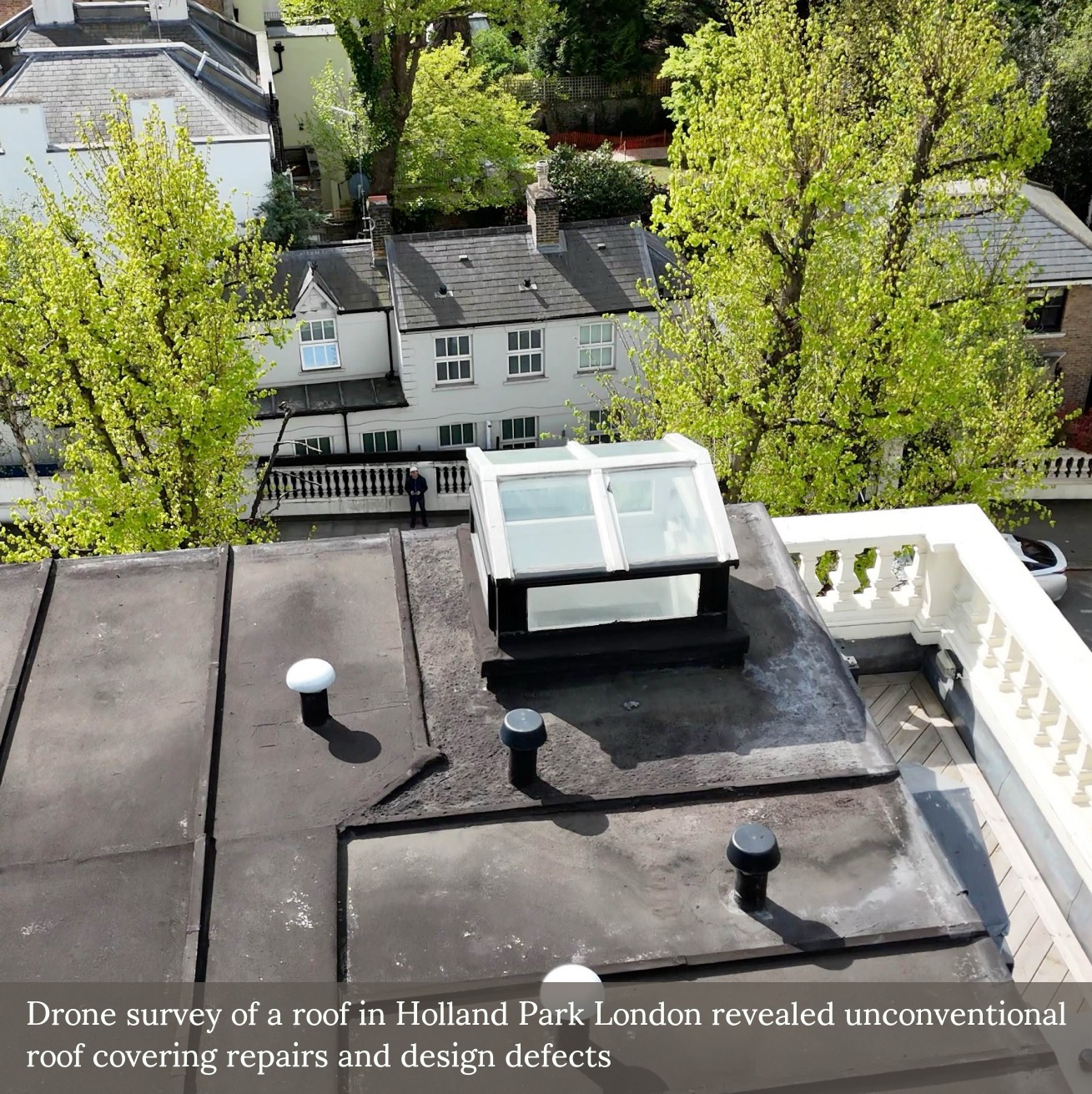
When Flat Roof Coverings Diverge from Standard Practice
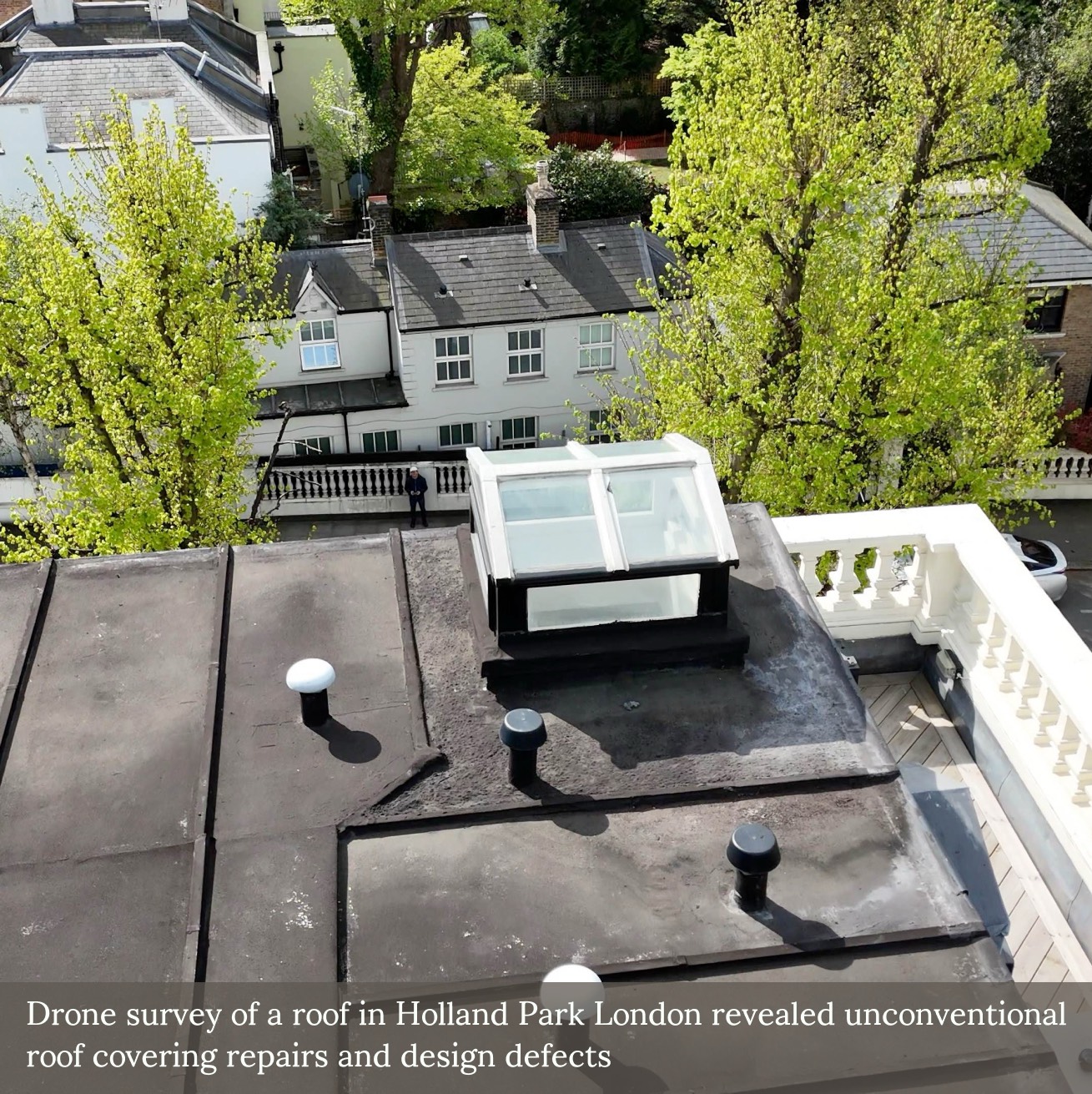
We recently carried out a drone-based roof condition inspection in West London, where an unusual bituminous liquid-applied membrane had been installed over a zinc flat roof.
This type of overlay—rein...... Read more
We recently carried out a drone-based roof condition inspection in West London, where an unusual bituminous liquid-applied membrane had been installed over a zinc flat roof.
This type of overlay—reinforced with a textile mesh—is not typically encountered in applications of this kind, where polymeric systems are more commonly specified. In this case, surface discolouration, exposed reinforcement mesh, and evidence of ponding all raised concerns regarding durability and workmanship.
When flat roofing systems deviate from established detailing or product specifications, there is increased risk of premature failure—particularly when installation records or manufacturer compliance documentation are unavailable.
Early identification through external inspection can assist in defining appropriate next steps, including testing or sampling to determine whether remedial works or full replacement is required.
AAL Chartered Surveyors
2026-09-24 10:20:01 British local time
Roof Risk Without Internal Access
We are often instructed to assess external roof coverings where internal access is restricted. A recent case in W14 illustrates the value of high-level drone inspection for identifying latent structural concerns from the o...... Read more
We are often instructed to assess external roof coverings where internal access is restricted. A recent case in W14 illustrates the value of high-level drone inspection for identifying latent structural concerns from the outside.
Numerous depressions in the flat roof deck suggested potential hidden deterioration of the substrate, likely linked to historical water ingress. In the absence of internal inspection, we recommended core sampling to confirm the extent of any concealed damage and to inform the appropriate scope of remedial work.
External-only inspections, when carried out systematically, can yield sufficient evidence to justify further investigation, particularly where the risk of ongoing deterioration to concealed timber or insulation is suspected.
AAL Chartered Surveyors
2026-09-23 14:20:00 British local time
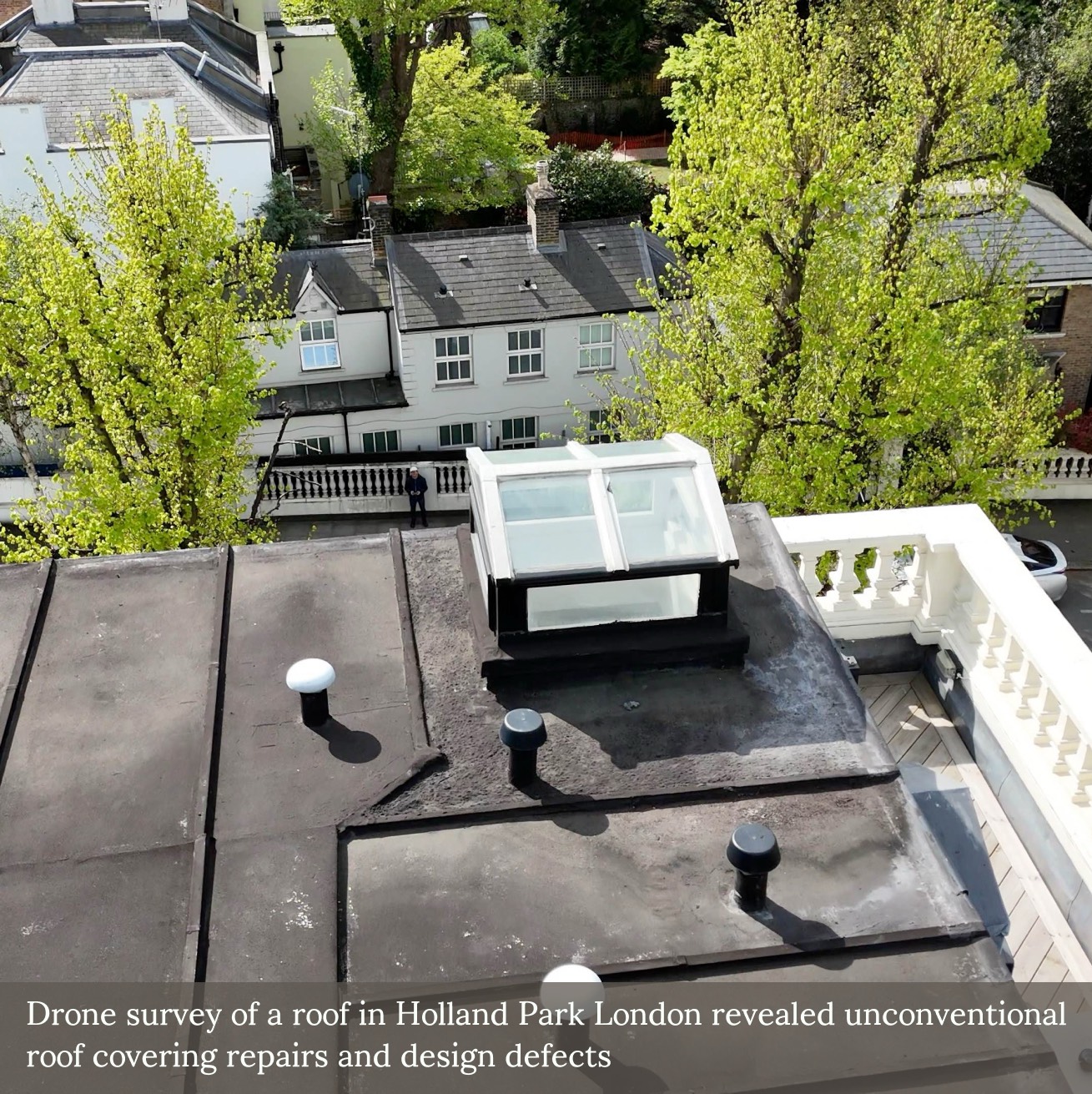
Where Roof Design Meets Condensation Risk
Two timber-framed roof lanterns formed part of a recent external inspection we undertook on a mansard roof in West London. Both featured single glazed elements, limited overhangs, and decorative paint finishes in p...... Read more
Two timber-framed roof lanterns formed part of a recent external inspection we undertook on a mansard roof in West London. Both featured single glazed elements, limited overhangs, and decorative paint finishes in poor condition.
The presence of condensation to internal glazing, along with signs of historical repair and timber exposure, highlights a common set of issues—particularly in traditional or poorly detailed roof structures.
Where single glazed rooflights are retained in occupied spaces, internal dampness is frequently the result of thermal bridging or trapped moisture, rather than rainwater penetration alone.
In such cases, replacement offers the opportunity to introduce modern, thermally efficient materials and more robust junction detailing—reducing risk and improving long-term performance.
AAL Chartered Surveyors
2026-09-23 12:20:00 British local time
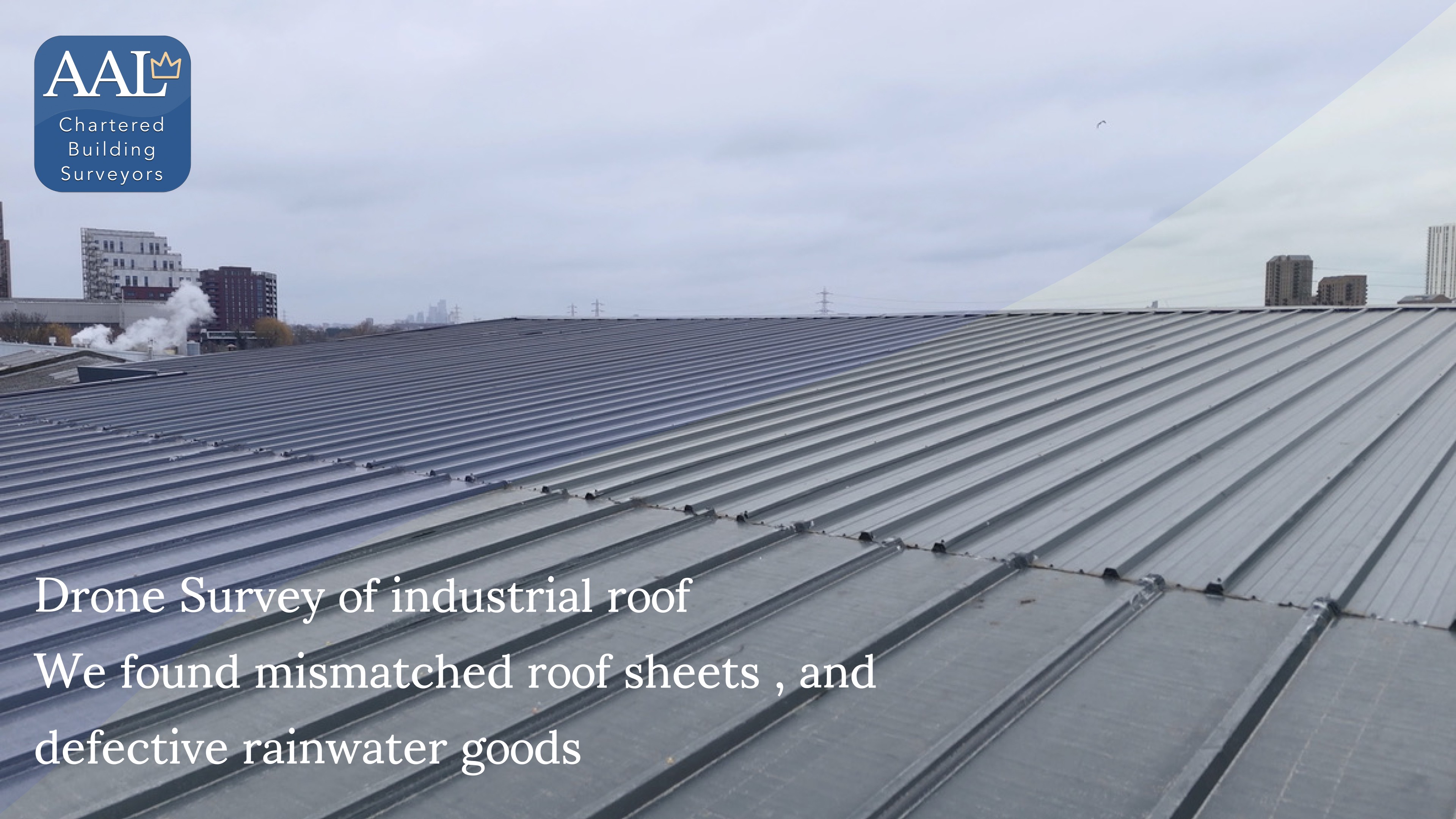
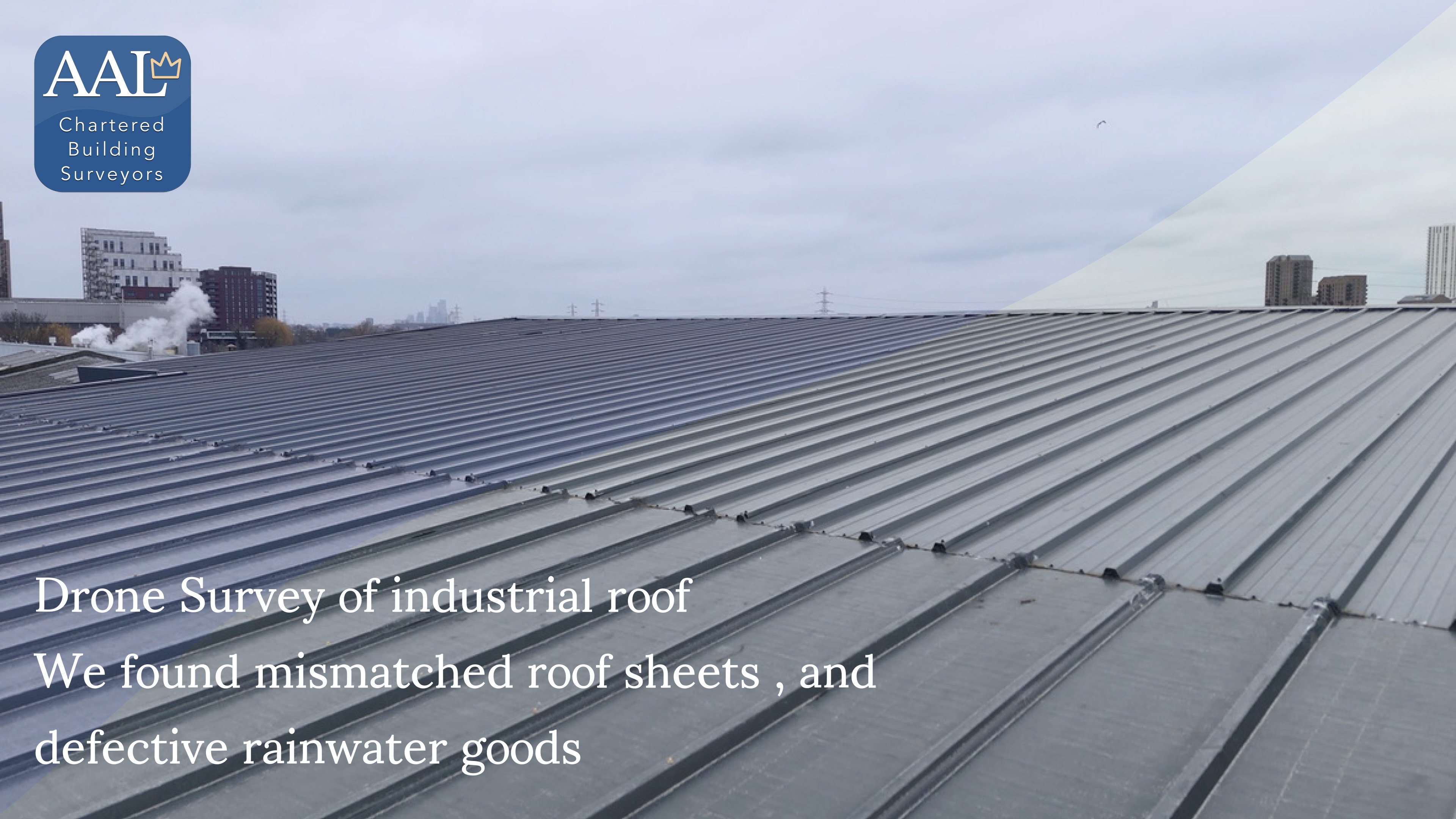
At our recent commercial due diligence survey of an industrial unit in East London, we utilised drone technology to conduct a detailed inspection of areas otherwise impossible to access, such as the roof, cladding, and high-level windows. Our surveyors, who...... Read more
The drone survey captured high-resolution images and data of the relevant areas, allowing us to identify key issues that might otherwise have been missed. Specifically, we discovered significant defects in the roof and cladding, along with issues in the rainwater goods. Such findings are crucial as they hold the potential to save our client significant expenditure, mitigating risks that could escalate into costly repairs if left unaddressed.
Our ability to integrate drone technology into traditional surveying practices not only elevates the thoroughness of our inspections but also adds substantial value to our clients by providing more comprehensive insights. This case in East London is a prime example of how leveraging innovative technology can lead to advantageous outcomes for our clients, ensuring their investments are sound, and their properties are maintained to the highest standard.
#FacilitiesManagement #AssetManagement #PropertyMaintenance #BuildingDefects #BuildingSurvey #RealEstateSurvey #StructuralAssessment #PropertyInspection #CommercialBuildingSurvey #CommercialProperty
Local Area
About Crystal Palace
Crystal Palace
Crystal Palace straddles the boundaries of five south London boroughs — Bromley, Croydon, Lambeth, Lewisham, and Southwark — on a high ridge centred on the former Crystal Palace site at the top of Sydenham Hill. The building stock is shaped by substantial mid- and late-Victorian villa and terraced development associated with the arrival of the Crystal Palace in 1854, Edwardian residential expansion, inter-war suburban infill, pockets of post-war council housing, and a compact town centre known as the Crystal Palace Triangle at the junction of Westow Hill and Church Road. Typical building types include large three- and four-storey Victorian villas on Sydenham Hill and Church Road, Victorian bay-fronted terraces commonly converted to flats, Edwardian and inter-war suburban housing on the sloping streets, and Victorian and Edwardian commercial stock around the Triangle. Surveying instructions in Crystal Palace commonly include pre-purchase surveys on period houses and converted flats, schedules of condition and dilapidations on retail and restaurant leases, party wall advice for widespread extensions, and defect assessments on steep-site retaining walls and drainage.
Victorian Villas and Flat Conversions
The ridge-top Victorian villa stock along Sydenham Hill, Church Road, and Belvedere Road includes large three- and four-storey detached and semi-detached houses, many converted into flats. Pre-purchase surveys at this level require detailed assessment: slate or clay-tile roof condition, stucco render performance on substantial elevations, parapet and valley gutter condition, timber sash window and cornice condition, basement and lower-ground moisture management, and the cumulative impact of successive conversions. Fire separation, sound transmission, shared drainage, and common parts condition are central to converted-flat surveys.
Hillside Topography, Retaining Walls, and Subsidence
Crystal Palace's steep ridge-top topography means retaining walls between terraced gardens, front-garden boundary walls, and street retaining structures are a recurring defect location. Surveyor assessment of retaining wall movement, drainage provision behind walls, and water-retention damage is routine. London clay subsoil combined with mature street and garden trees makes subsidence a recurring theme on the shallow-founded Victorian stock, with movement cracking regularly identified and further investigation — drainage CCTV, arboricultural advice, or level monitoring — frequently required.
Triangle Commercial and Extensions
The Crystal Palace Triangle town centre around Westow Street, Westow Hill, and Church Road generates schedule-of-condition and dilapidations work on retail, restaurant, and small office leases. Many premises occupy ground floors of Victorian buildings with residential above, creating mixed-demise questions and specific considerations around kitchen extraction, fire separation, and noise impact. Loft conversions, rear extensions, and basement works on the residential stock generate routine party wall work under the Party Wall etc. Act 1996, with schedules of condition on neighbouring period properties and monitoring during construction standard.