
Drone Roof Survey by RICS Chartered Surveyors in Vauxhall
Drone roof surveys carried out by RICS chartered surveyors flying under the CAA Article 16 / A2 Certificate of Competency framework, combining aerial inspection with practical technical reporting. Serving Vauxhall with practical roof-condition advice and image-led reporting.
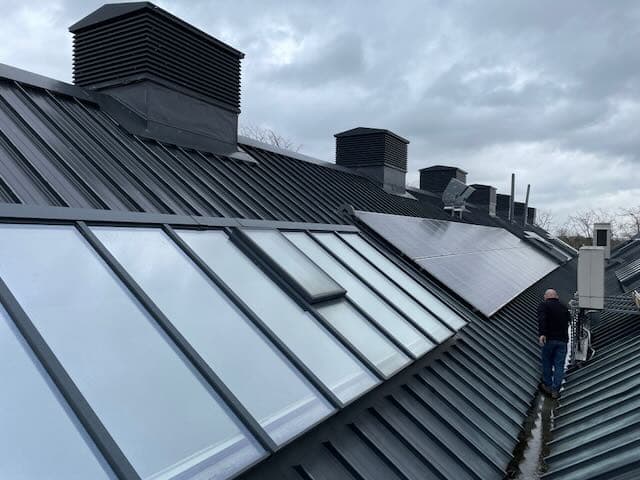
Drone Roof Survey Services in Vauxhall
Ongoing inspection of roof coverings is important for risk management, defect identification, and maintenance planning. Drone roof surveys allow high-level elements to be reviewed efficiently without immediate reliance on scaffolding or other temporary access equipment.
- Safety through reduced working-at-height exposure.
- Efficiency across large or awkward roof areas.
For buildings with extensive roof areas, complex geometry, or difficult access constraints, the method can reduce disruption while still providing a structured visual record of roof condition, rainwater goods, flashings, and other high-level details.
- Potential cost savings where scaffold or access plant is not needed for the initial inspection.
- Better visual coverage of hard-to-reach areas.
What to Expect from a Drone Roof Survey in Vauxhall
Drone roof surveys are intended to record the visible condition of roof elements in a methodical way and to turn that imagery into usable surveying advice. The process usually begins with a discussion about the property, the concerns to be investigated, and any operational constraints on site.
Controlled drone flights are then used to obtain high-resolution imagery and video footage of the roof covering and associated details from multiple viewpoints. The recorded data is reviewed by the surveyor to identify visible defects, deterioration, movement, failed repairs, or signs of water ingress.
Where required, the output can be turned into a written report with annotated images, commentary on the observed condition, and recommendations for further investigation, maintenance, or repair works.
- Pre-survey discussion to define scope, risks, and property-specific concerns.
- Aerial data capture using controlled flights and multiple viewpoints.
- Surveyor review of the recorded imagery to identify visible defects and condition issues.
- Reporting with annotated images, commentary, and recommendations where requested.
Applications of Drone Roof Surveys in Vauxhall
Benefits of Using RICS Chartered Surveyors in Vauxhall
The value of a drone survey depends on how the imagery is interpreted. RICS chartered surveyors review the recorded condition with knowledge of roof construction, deterioration, and maintenance liabilities.
Flights are flown under CAA Article 16 / A2 Certificate of Competency, with each flight checked against the airspace chart and operator authorisation sought where required.
- RICS-regulated competence in roof construction and failure patterns.
- CAA-compliant flying under Article 16 / A2 CofC.
- Reporting aligned to decision-making, not image capture alone.
Residential Roof Inspection
Useful for reviewing tiled, slated, and flat roof coverings, rainwater goods, chimneys, parapets, and other high-level details where direct access is awkward or disproportionate for an initial inspection.
It can help identify slipped coverings, deteriorated flashings, blocked gutters, localised movement, and visible signs of water ingress so owners can decide whether routine maintenance, targeted repair, or closer hands-on investigation is needed.
- Particularly suited to houses, conversions, and smaller residential blocks with constrained access.
- Helps prioritise repair items before committing to scaffold or more intrusive inspection methods.
Commercial and Industrial Buildings
Particularly valuable for extensive flat roofs, profiled sheet coverings, rooflights, plant zones, and gutter arrangements on occupied commercial and industrial sites where inspection disruption needs to be minimised.
The method allows visible condition issues to be recorded across larger roof areas in a structured way, supporting maintenance planning, defect scoping, and decisions about whether further access equipment or specialist testing is justified.
- Useful where operational continuity, tenant occupation, or health and safety constraints limit traditional inspection access.
- Provides a clearer visual record for repair budgeting, asset management, and follow-on investigation.
Pre-Purchase Advice
Can provide targeted roof condition evidence before acquisition, helping buyers understand defects and maintenance liabilities earlier.
Insurance and Damage Review
Can help record visible high-level condition and support discussions around storm damage, deterioration, and the need for further investigation.
Maintenance Planning
Can be used to create a structured visual record for planned maintenance, helping owners and managers prioritise repairs, monitor known defects, and decide when more intrusive access or follow-on investigation is warranted.
Drone Roof Survey Gallery
Each photograph records the condition of coverings, flashings, chimney stacks, and rainwater goods at the date of the flight. The images form a dated record that supports repair costing, dilapidations negotiations, and insurance claims. Select any image to view it at full size.
High-Level Roof Capture
Rainwater Goods and Edge Details
Condition Planning and Reporting
Drone Roof Survey FAQs in Vauxhall
Are drone roof surveys CAA approved?
Drone flights for roof surveys in the UK are flown under the Civil Aviation Authority Article 16 / A2 Certificate of Competency framework. Each individual flight is checked against the airspace chart on the day of the survey, and operator authorisation is sought from the relevant aerodrome where the property sits within a Flight Restriction Zone.
Do you need a permit to fly a drone for a roof survey in London?
Within London, the constraints depend on the location of the property. A property inside the Flight Restriction Zone of an aerodrome such as Heathrow, London City, Biggin Hill or RAF Northolt requires operator authorisation from the aerodrome air traffic service before a flight is undertaken. Properties near royal residences, royal parks, or HM prisons are subject to additional statutory restrictions and are scoped accordingly.
How much does a drone roof survey cost?
The cost of a drone roof survey depends on the size and complexity of the roof, whether reporting is image-only or written, and whether airspace permissions are required. Standard residential drone surveys are typically priced from a few hundred pounds, while commercial and complex inspections are priced on enquiry. A written quotation is provided once the property and scope are confirmed.
What does a drone roof survey report include?
Reporting can range from an image-only deliverable to a written surveyor’s report with annotated images, commentary on observed condition, and recommendations for further investigation, maintenance, or repair works. The level of report is agreed at the outset based on the purpose of the instruction, whether that is pre-acquisition, maintenance planning, dilapidations support, or insurance discussion.
When is a drone roof survey not appropriate?
Drone roof surveys are not a substitute for a hands-on inspection where intrusive testing, lifting of coverings, or close physical inspection of failures is required. They are also constrained by weather, light, and statutory airspace restrictions. Where the property is unsuitable, a hands-on inspection method is recommended in place of, or in addition to, the drone work.
How long does a drone roof survey take on site?
On-site time for a typical residential drone roof survey is short, often under an hour for the flying itself. The greater part of the work is the surveyor’s post-flight review of the imagery and the drafting of any written report. Larger commercial roofs and properties inside Flight Restriction Zones require additional planning and on-site time.
Related Surveying Services in Vauxhall
Need a Roof Inspected Quickly in Vauxhall?
We can advise on whether a drone survey is the right first step and what level of reporting would best suit the property.
Contact UsSocial Media Feed

AAL Chartered Surveyors
2026-04-10 20:30:33 British local time

Where Roof Design Meets Condensation Risk
Two timber-framed roof lanterns formed part of a recent external inspection we undertook on a mansard roof in West London. Both featured single glazed elements, limited overhangs, and decorative paint finishes in p...... Read more
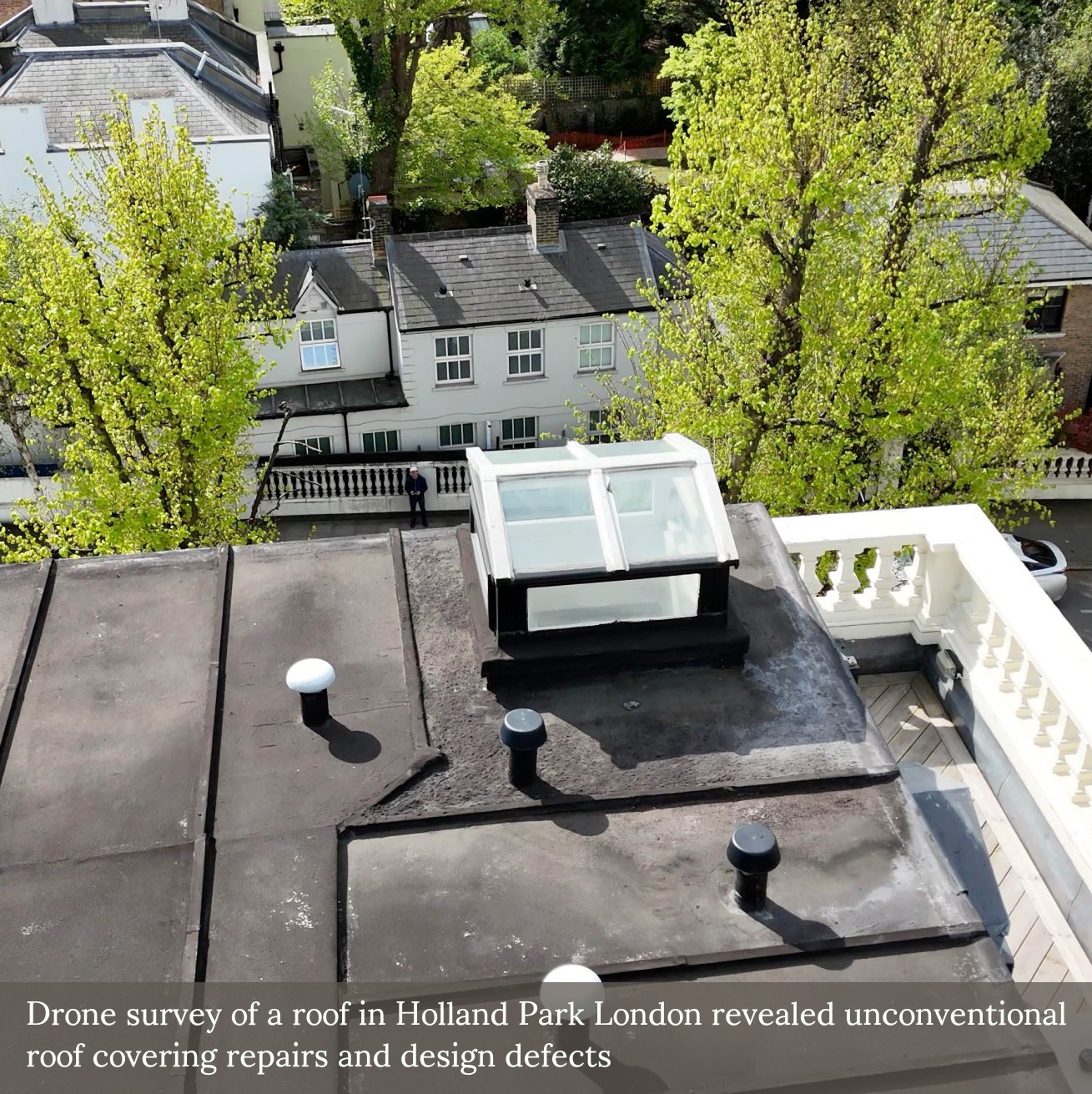
Two timber-framed roof lanterns formed part of a recent external inspection we undertook on a mansard roof in West London. Both featured single glazed elements, limited overhangs, and decorative paint finishes in poor condition.
The presence of condensation to internal glazing, along with signs of historical repair and timber exposure, highlights a common set of issues—particularly in traditional or poorly detailed roof structures.
Where single glazed rooflights are retained in occupied spaces, internal dampness is frequently the result of thermal bridging or trapped moisture, rather than rainwater penetration alone.
In such cases, replacement offers the opportunity to introduce modern, thermally efficient materials and more robust junction detailing—reducing risk and improving long-term performance.
AAL Chartered Surveyors
2026-04-10 11:40:23 British local time
Where Roof Design Meets Condensation Risk
Two timber-framed roof lanterns formed part of a recent external inspection we undertook on a mansard roof in West London. Both featured single glazed elements, limited overhangs, and decorative paint finishes in p...... Read more
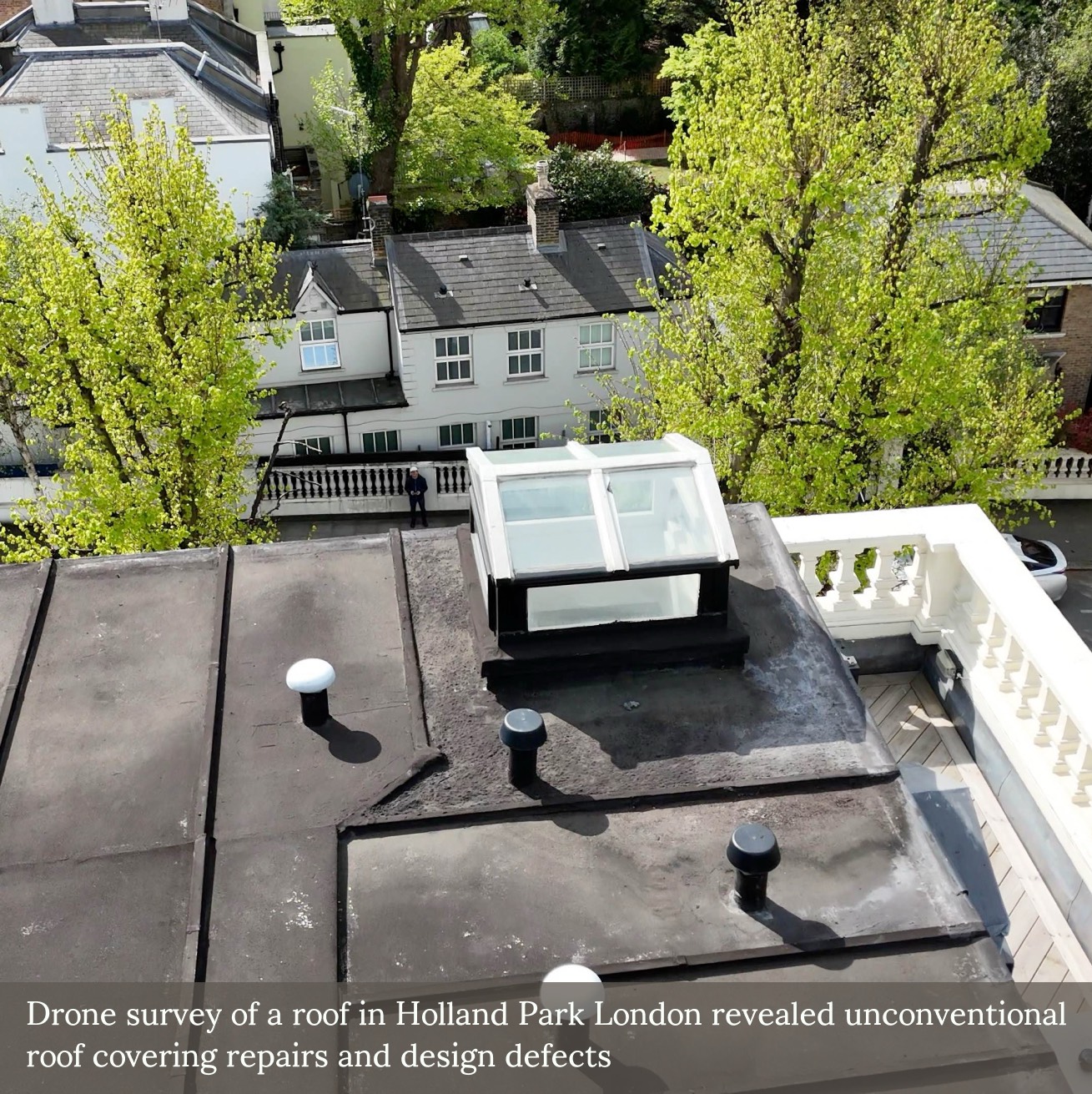
Two timber-framed roof lanterns formed part of a recent external inspection we undertook on a mansard roof in West London. Both featured single glazed elements, limited overhangs, and decorative paint finishes in poor condition.
The presence of condensation to internal glazing, along with signs of historical repair and timber exposure, highlights a common set of issues—particularly in traditional or poorly detailed roof structures.
Where single glazed rooflights are retained in occupied spaces, internal dampness is frequently the result of thermal bridging or trapped moisture, rather than rainwater penetration alone.
In such cases, replacement offers the opportunity to introduce modern, thermally efficient materials and more robust junction detailing—reducing risk and improving long-term performance.
AAL Chartered Surveyors
2026-04-10 11:32:43 British local time
Where Roof Design Meets Condensation Risk
Two timber-framed roof lanterns formed part of a recent external inspection we undertook on a mansard roof in West London. Both featured single glazed elements, limited overhangs, and decorative paint finishes in p...... Read more
Two timber-framed roof lanterns formed part of a recent external inspection we undertook on a mansard roof in West London. Both featured single glazed elements, limited overhangs, and decorative paint finishes in poor condition.
The presence of condensation to internal glazing, along with signs of historical repair and timber exposure, highlights a common set of issues—particularly in traditional or poorly detailed roof structures.
Where single glazed rooflights are retained in occupied spaces, internal dampness is frequently the result of thermal bridging or trapped moisture, rather than rainwater penetration alone.
In such cases, replacement offers the opportunity to introduce modern, thermally efficient materials and more robust junction detailing—reducing risk and improving long-term performance.
AAL Chartered Surveyors
2026-04-10 11:27:03 British local time
Where Roof Design Meets Condensation Risk
Two timber-framed roof lanterns formed part of a recent external inspection we undertook on a mansard roof in West London. Both featured single glazed elements, limited overhangs, and decorative paint finishes in p...... Read more
Two timber-framed roof lanterns formed part of a recent external inspection we undertook on a mansard roof in West London. Both featured single glazed elements, limited overhangs, and decorative paint finishes in poor condition.
The presence of condensation to internal glazing, along with signs of historical repair and timber exposure, highlights a common set of issues—particularly in traditional or poorly detailed roof structures.
Where single glazed rooflights are retained in occupied spaces, internal dampness is frequently the result of thermal bridging or trapped moisture, rather than rainwater penetration alone.
In such cases, replacement offers the opportunity to introduce modern, thermally efficient materials and more robust junction detailing—reducing risk and improving long-term performance.
AAL Chartered Surveyors
2026-04-10 11:20:33 British local time
Where Roof Design Meets Condensation Risk
Two timber-framed roof lanterns formed part of a recent external inspection we undertook on a mansard roof in West London. Both featured single glazed elements, limited overhangs, and decorative paint finishes in p...... Read more
Two timber-framed roof lanterns formed part of a recent external inspection we undertook on a mansard roof in West London. Both featured single glazed elements, limited overhangs, and decorative paint finishes in poor condition.
The presence of condensation to internal glazing, along with signs of historical repair and timber exposure, highlights a common set of issues—particularly in traditional or poorly detailed roof structures.
Where single glazed rooflights are retained in occupied spaces, internal dampness is frequently the result of thermal bridging or trapped moisture, rather than rainwater penetration alone.
In such cases, replacement offers the opportunity to introduce modern, thermally efficient materials and more robust junction detailing—reducing risk and improving long-term performance.
Local Area
About Vauxhall
Vauxhall
Vauxhall sits in the London Borough of Lambeth on the south bank of the Thames, between Kennington and Nine Elms, a rapidly changing area defined by surviving Victorian terraced stock on the residential side streets, significant post-war council estate construction, and major recent high-rise apartment-led regeneration along the riverside and around Vauxhall Cross. Typical building types include Victorian terraced houses, concrete-framed post-war estate blocks, and recent high-rise apartment towers with podium-level retail and commercial space. Surveying instructions in Vauxhall commonly include pre-purchase surveys on Victorian houses and ex-council flats, EWS1 assessments on recent high-rise apartment stock, schedules of condition for residential and commercial lettings, and party wall advice.
Victorian Terraces and Post-War Estates
Surviving Victorian terraced stock presents solid-brick walls, slate roofs, timber sash windows, and rear outriggers. Common findings include slate roof covering age, timber decay, chimney stack deterioration, and original drainage reaching the end of its life. Post-war council estate stock of varied construction — concrete-framed and system-built types — supports pre-purchase work on ex-council flats where construction type affects mortgageability and fire safety.
High-Rise Regeneration and EWS1
Major apartment-led regeneration around Vauxhall Cross and along the riverside has delivered substantial high-rise stock — with rain-screen cladding, curtain-wall façades, and podium construction — for which EWS1 assessments, fire risk appraisals, and Building Safety Act compliance are routine instructions. Surveys on recent stock address façade performance, balcony waterproofing, movement joints, and mechanical and electrical services condition.
Commercial Stock and Dilapidations
Commercial and mixed-use stock around Vauxhall Cross and along Wandsworth Road generates schedule-of-condition and dilapidations work on office, retail, and mixed-use leases, together with CAT A and CAT B fit-out assessments. London clay subsoil makes subsidence a consideration on the older residential stock. Extensions and loft conversions on the Victorian stock generate party wall work under the Party Wall etc. Act 1996.