
Drone Roof Survey by RICS Chartered Surveyors in Queen's Park
Drone roof surveys carried out by RICS chartered surveyors fully qualified and insured to fly, combining aerial inspection with practical technical reporting. Serving Queen's Park with practical roof-condition advice and image-led reporting.
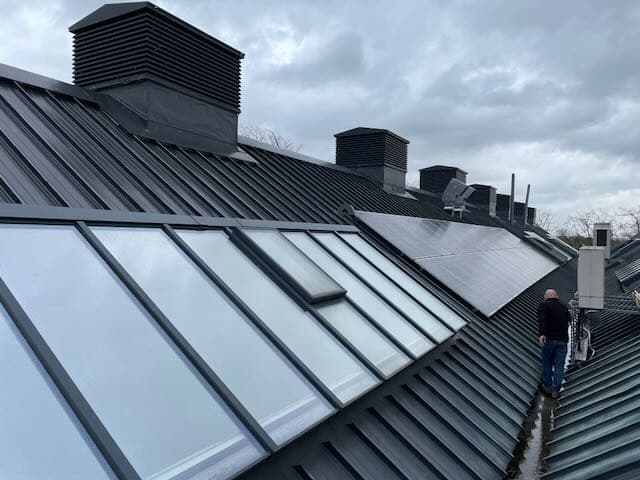
Drone Roof Survey Services in Queen's Park
Ongoing inspection of roof coverings is important for risk management, defect identification, and maintenance planning. Drone roof surveys allow high-level elements to be reviewed efficiently without immediate reliance on scaffolding or other temporary access equipment. Clayton Ayling, a chartered building surveyor regulated by RICS, flies the drone himself and reviews the images, so the person who takes the photographs is the person who reports on them.
For buildings with extensive roof areas, complex geometry, or difficult access constraints, the method can reduce disruption while still providing a structured visual record of roof condition, rainwater goods, flashings, and other high-level details.
- Safety through reduced working-at-height exposure.
- Efficiency across large or awkward roof areas.
- Potential cost savings where scaffold or access plant is not needed for the initial inspection.
- Better visual coverage of hard-to-reach areas.
What to Expect from a Drone Roof Survey in Queen's Park
Drone roof surveys are intended to record the visible condition of roof elements in a methodical way and to turn that imagery into usable surveying advice. The process usually begins with a discussion about the property, the concerns to be investigated, and any operational constraints on site.
Controlled drone flights are then used to obtain high-resolution imagery and video footage of the roof covering and associated details from multiple viewpoints. The recorded data is reviewed by the surveyor to identify visible defects, deterioration, movement, failed repairs, or signs of water ingress.
Where required, the output can be turned into a written report with annotated images, commentary on the observed condition, and recommendations for further investigation, maintenance, or repair works.
- Pre-survey discussion to define scope, risks, and property-specific concerns.
- Aerial data capture using controlled flights and multiple viewpoints.
- Surveyor review of the recorded imagery to identify visible defects and condition issues.
- Reporting with annotated images, commentary, and recommendations where requested.
Applications of Drone Roof Surveys in Queen's Park
High-Level Facade and Cladding
The same flight records elevations that cannot be seen from the ground: cladding panels and their fixings, curtain-wall heads, parapet copings, render and brickwork at height, and the sealant and gaskets around high-level glazing.
A drone record of the facade is used to scope repairs before a cradle or mast climber is hired, to record the external walls at lease start or lease end, and to investigate water entering behind cladding or through failed sealant.
- Cladding, render, brickwork and stone at height.
- Curtain-wall heads, parapet copings and high-level sealant.
Residential Roof Inspection
Useful for reviewing tiled, slated, and flat roof coverings, rainwater goods, chimneys, parapets, and other high-level details where direct access is awkward or disproportionate for an initial inspection.
It can help identify slipped coverings, deteriorated flashings, blocked gutters, localised movement, and visible signs of water ingress so owners can decide whether routine maintenance, targeted repair, or closer hands-on investigation is needed.
- Particularly suited to houses, conversions, and smaller residential blocks with constrained access.
- Helps prioritise repair items before committing to scaffold or more intrusive inspection methods.
Commercial and Industrial Buildings
Particularly valuable for extensive flat roofs, profiled sheet coverings, rooflights, plant zones, and gutter arrangements on occupied commercial and industrial sites where inspection disruption needs to be minimised.
The method allows visible condition issues to be recorded across larger roof areas in a structured way, supporting maintenance planning, defect scoping, and decisions about whether further access equipment or specialist testing is justified.
- Useful where operational continuity, tenant occupation, or health and safety constraints limit traditional inspection access.
- Provides a clearer visual record for repair budgeting, asset management, and follow-on investigation.
Pre-Purchase Advice
Can provide targeted roof condition evidence before acquisition, helping buyers understand defects and maintenance liabilities earlier.
Insurance and Damage Review
Can help record visible high-level condition and support discussions around storm damage, deterioration, and the need for further investigation.
Maintenance Planning
Can be used to create a structured visual record for planned maintenance, helping owners and managers prioritise repairs, monitor known defects, and decide when more intrusive access or follow-on investigation is warranted.
Benefits of Using RICS Chartered Surveyors in Queen's Park
The value of a drone survey depends on how the imagery is interpreted. The surveyor who flies the drone is the chartered building surveyor who reviews the recorded condition, with knowledge of roof construction, deterioration, and maintenance liabilities.
We are fully qualified and insured for drone flights, and each flight complies with the legal requirements.
- RICS-regulated competence in roof construction and failure patterns.
- The same surveyor flies the drone and writes the report.
- Fully qualified and insured drone flights that comply with legal requirements.
- Reporting aligned to decision-making, not image capture alone.
Drone Roof Survey Gallery
Each photograph records the condition of coverings, flashings, chimney stacks, and rainwater goods at the date of the flight. The images form a dated record that supports repair costing, dilapidations negotiations, and insurance claims. Select any image to view it at full size.
High-Level Roof Capture
Rainwater Goods and Edge Details
Condition Planning and Reporting
What the Report Contains
The level of reporting is agreed at the outset. An image-only record suits a maintenance check or an insurance file. A written report suits a purchase, a lease event or a dispute.
A written report ties each defect to a dated photograph and a location on the roof, describes the construction and condition found, and lists the repairs recommended in order of urgency. Where the survey supports a lease, each item is cross-referenced to the lease or the schedule.
- Annotated photographs keyed to a roof plan.
- Construction and condition of each roof element.
- Defects recorded with their likely cause.
- Repairs recommended, in order of urgency.
- A note of anything that could not be seen and any further investigation advised.
DRONE ROOF SURVEY REPORT
Annotated photographs, condition and recommended repairs
- 1.1Main roof slope, southNine slipped slates, nail fixings corrodedPlanned
- 1.2Valley gutter, centreLead split at lap, debris holding waterImmediate
- 2.1Chimney stack, rearFlaunching cracked, pointing open on west facePlanned
- 3.1Rear addition flat roofFelt blistered, ponding to outletMonitor
- 4.1Gutters and downpipesJoint failed above rear door, staining belowRoutine
Illustrative extract. Each item is tied to a dated photograph and, where the survey supports a lease, to the relevant clause or schedule entry.
Method
Drone, flown by the surveyor
Surveyor
Clayton Ayling MRICS
Drone Roof Survey FAQs in Queen's Park
Are drone roof surveys CAA approved?
We are fully qualified and insured for drone flights, and each flight complies with the legal requirements. Where a site needs permission before a flight, it is obtained in advance.
Do you need a permit to fly a drone for a roof survey in London?
Some sites need permission before a flight. We check each site before the survey and obtain any permission needed. Where this affects the timetable or the fee, the quotation says so.
How much does a drone roof survey cost?
The cost of a drone roof survey depends on the size and complexity of the roof, whether reporting is image-only or written, and whether permission is needed before the flight. Standard residential drone surveys are typically priced from a few hundred pounds, while commercial and complex inspections are priced on enquiry. A written quotation is provided once the property and scope are confirmed.
What does a drone roof survey report include?
Reporting can range from an image-only deliverable to a written surveyor’s report with annotated images, commentary on observed condition, and recommendations for further investigation, maintenance, or repair works. The level of report is agreed at the outset based on the purpose of the instruction, whether that is pre-acquisition, maintenance planning, dilapidations support, or insurance discussion.
When is a drone roof survey not appropriate?
Drone roof surveys are not a substitute for a hands-on inspection where intrusive testing, lifting of coverings, or close physical inspection of failures is required. They are also limited by weather, light, and legal restrictions on where a drone may fly. Where the property is unsuitable, a hands-on inspection method is recommended in place of, or in addition to, the drone work.
How long does a drone roof survey take on site?
On-site time for a typical residential drone roof survey is short, often under an hour for the flying itself. The greater part of the work is the surveyor’s post-flight review of the imagery and the drafting of any written report. Larger commercial roofs and sites that need permission before a flight require additional planning and on-site time.
Related Surveying Services in Queen's Park
Need a Roof Inspected Quickly in Queen's Park?
We can advise on whether a drone survey is the right first step and what level of reporting would best suit the property.
Contact UsSocial Media Feed

AAL Chartered Surveyors
2026-09-24 14:20:00 British local time

At our recent commercial due diligence survey of an industrial unit in East London the findings of our report led to significant financial advantages for our client. We identified several issues which equated to potential cost savings of approximately £150,...... Read more
These findings played a pivotal role in empowering our client during lease negotiations. With the evidence provided by us, our client was able to engage confidently and effectively in discussions with the landlord. This not only facilitated a reconsideration of the lease terms but also allowed the client to negotiate a reduction in rental values and improvements to other lease-related conditions.
Our proactive approach in highlighting these issues underscores our commitment to adding tangible value to our clients' investment decisions.
By ensuring that all factors are thoroughly vetted, we position our clients in a place of strength, enabling them to make informed and advantageous decisions and negotiations.
#FacilitiesManagement #AssetManagement #PropertyMaintenance #BuildingDefects #BuildingSurvey #RealEstateSurvey #StructuralAssessment #PropertyInspection #CommercialBuildingSurvey #CommercialProperty
AAL Chartered Surveyors
2026-09-24 12:20:00 British local time
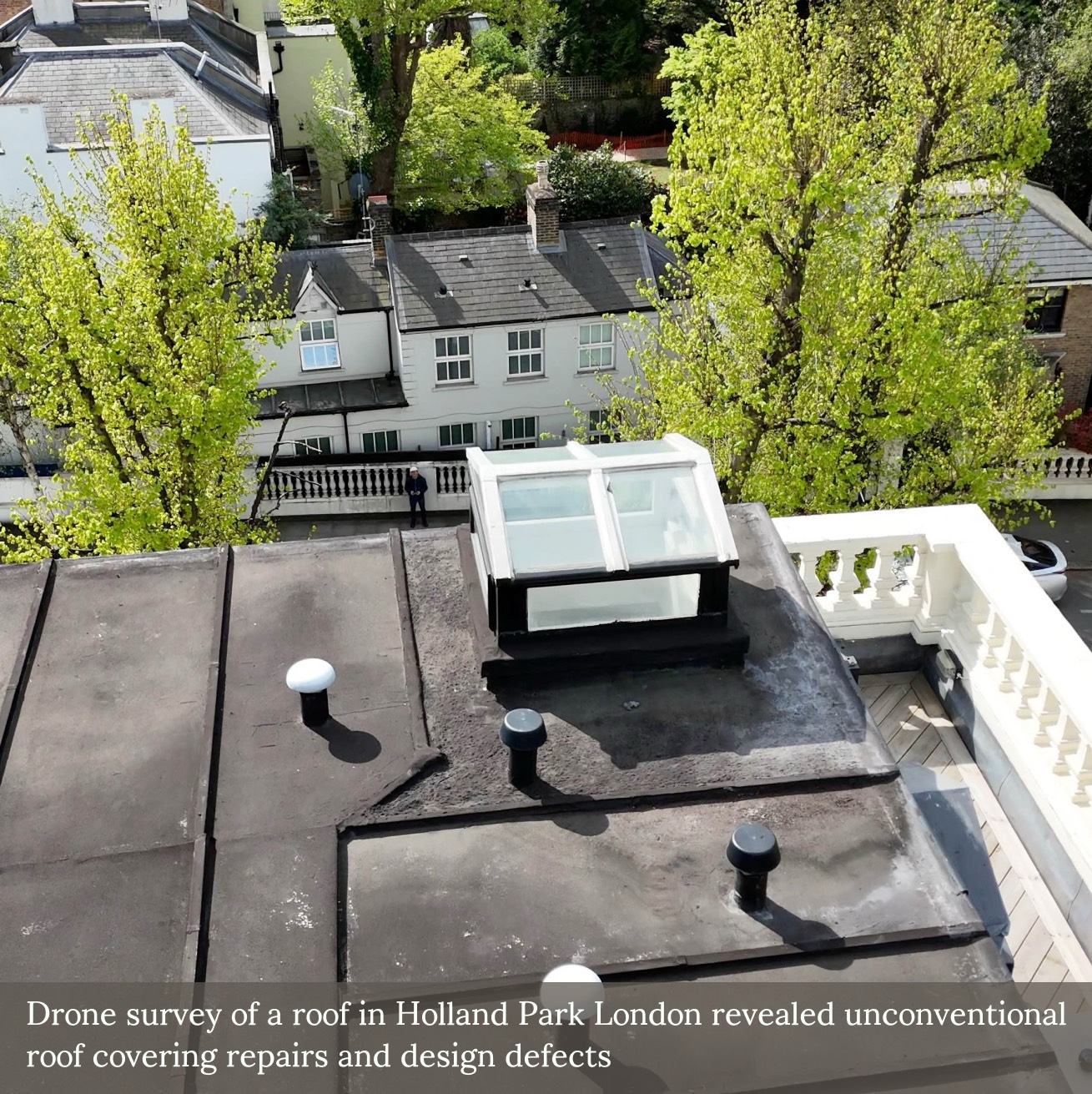
When Flat Roof Coverings Diverge from Standard Practice
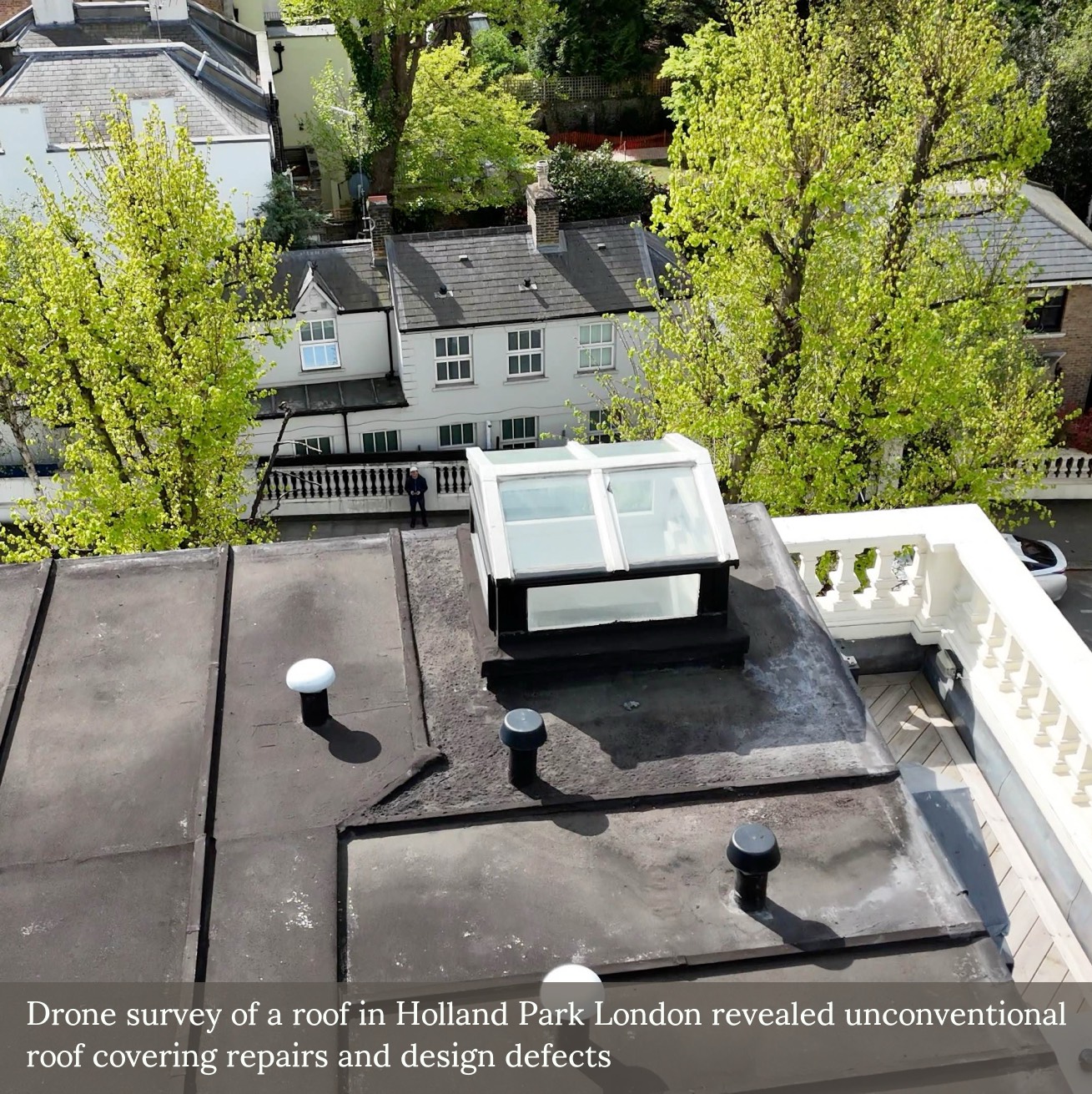
We recently carried out a drone-based roof condition inspection in West London, where an unusual bituminous liquid-applied membrane had been installed over a zinc flat roof.
This type of overlay—rein...... Read more
We recently carried out a drone-based roof condition inspection in West London, where an unusual bituminous liquid-applied membrane had been installed over a zinc flat roof.
This type of overlay—reinforced with a textile mesh—is not typically encountered in applications of this kind, where polymeric systems are more commonly specified. In this case, surface discolouration, exposed reinforcement mesh, and evidence of ponding all raised concerns regarding durability and workmanship.
When flat roofing systems deviate from established detailing or product specifications, there is increased risk of premature failure—particularly when installation records or manufacturer compliance documentation are unavailable.
Early identification through external inspection can assist in defining appropriate next steps, including testing or sampling to determine whether remedial works or full replacement is required.
AAL Chartered Surveyors
2026-09-24 10:20:01 British local time
Roof Risk Without Internal Access
We are often instructed to assess external roof coverings where internal access is restricted. A recent case in W14 illustrates the value of high-level drone inspection for identifying latent structural concerns from the o...... Read more
We are often instructed to assess external roof coverings where internal access is restricted. A recent case in W14 illustrates the value of high-level drone inspection for identifying latent structural concerns from the outside.
Numerous depressions in the flat roof deck suggested potential hidden deterioration of the substrate, likely linked to historical water ingress. In the absence of internal inspection, we recommended core sampling to confirm the extent of any concealed damage and to inform the appropriate scope of remedial work.
External-only inspections, when carried out systematically, can yield sufficient evidence to justify further investigation, particularly where the risk of ongoing deterioration to concealed timber or insulation is suspected.
AAL Chartered Surveyors
2026-09-23 14:20:00 British local time
Where Roof Design Meets Condensation Risk
Two timber-framed roof lanterns formed part of a recent external inspection we undertook on a mansard roof in West London. Both featured single glazed elements, limited overhangs, and decorative paint finishes in p...... Read more
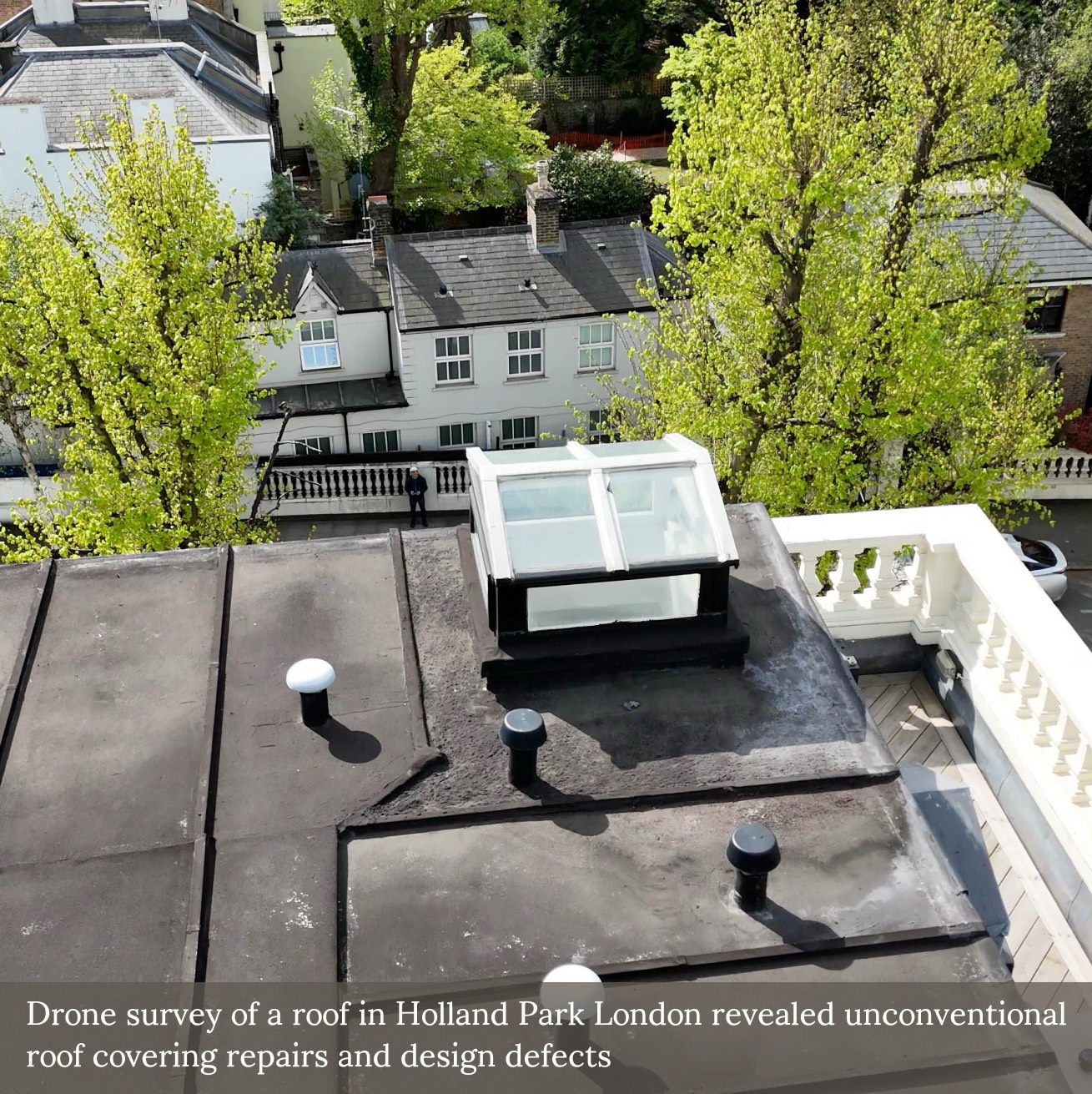
Two timber-framed roof lanterns formed part of a recent external inspection we undertook on a mansard roof in West London. Both featured single glazed elements, limited overhangs, and decorative paint finishes in poor condition.
The presence of condensation to internal glazing, along with signs of historical repair and timber exposure, highlights a common set of issues—particularly in traditional or poorly detailed roof structures.
Where single glazed rooflights are retained in occupied spaces, internal dampness is frequently the result of thermal bridging or trapped moisture, rather than rainwater penetration alone.
In such cases, replacement offers the opportunity to introduce modern, thermally efficient materials and more robust junction detailing—reducing risk and improving long-term performance.
AAL Chartered Surveyors
2026-09-23 12:20:00 British local time
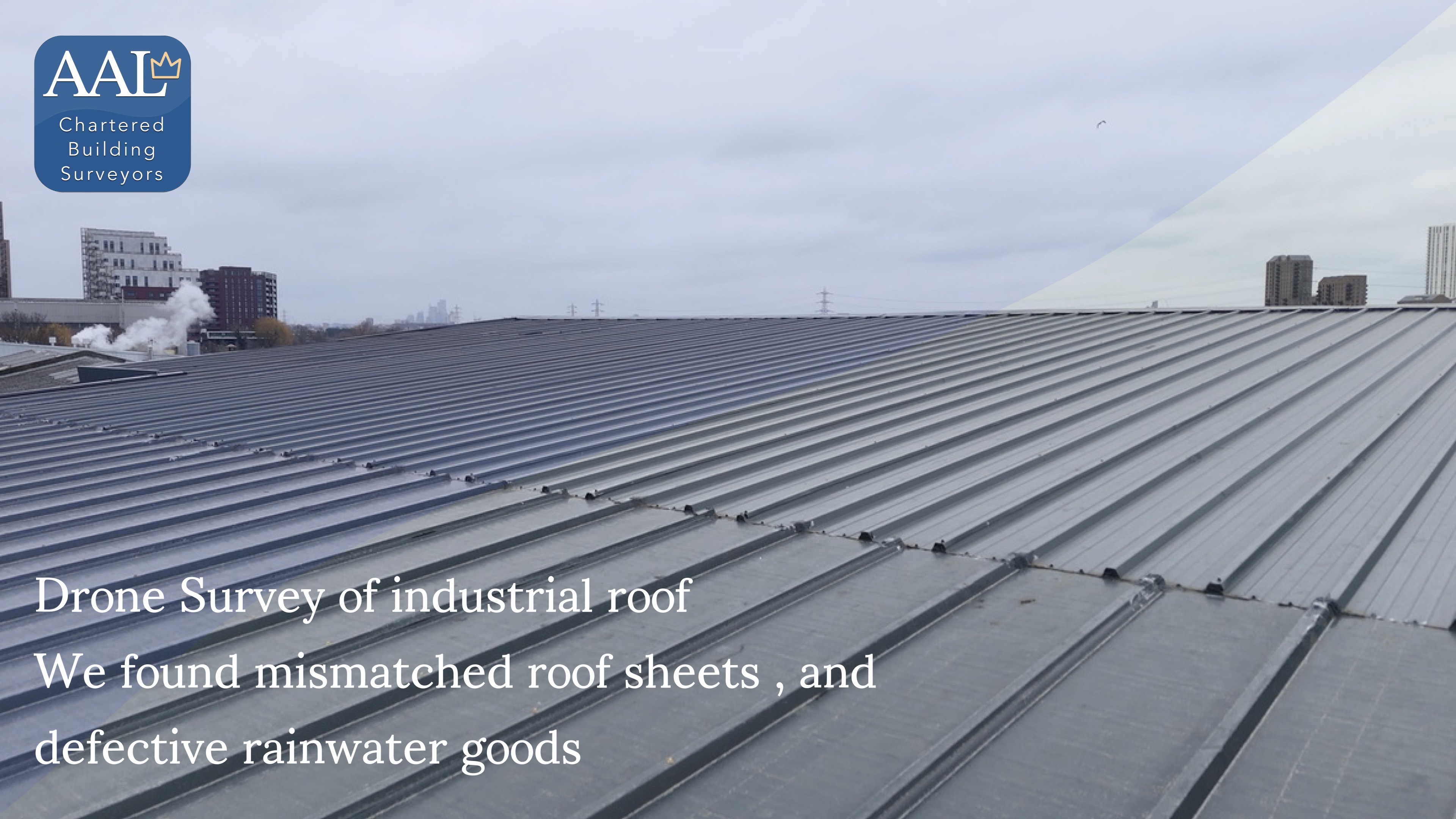
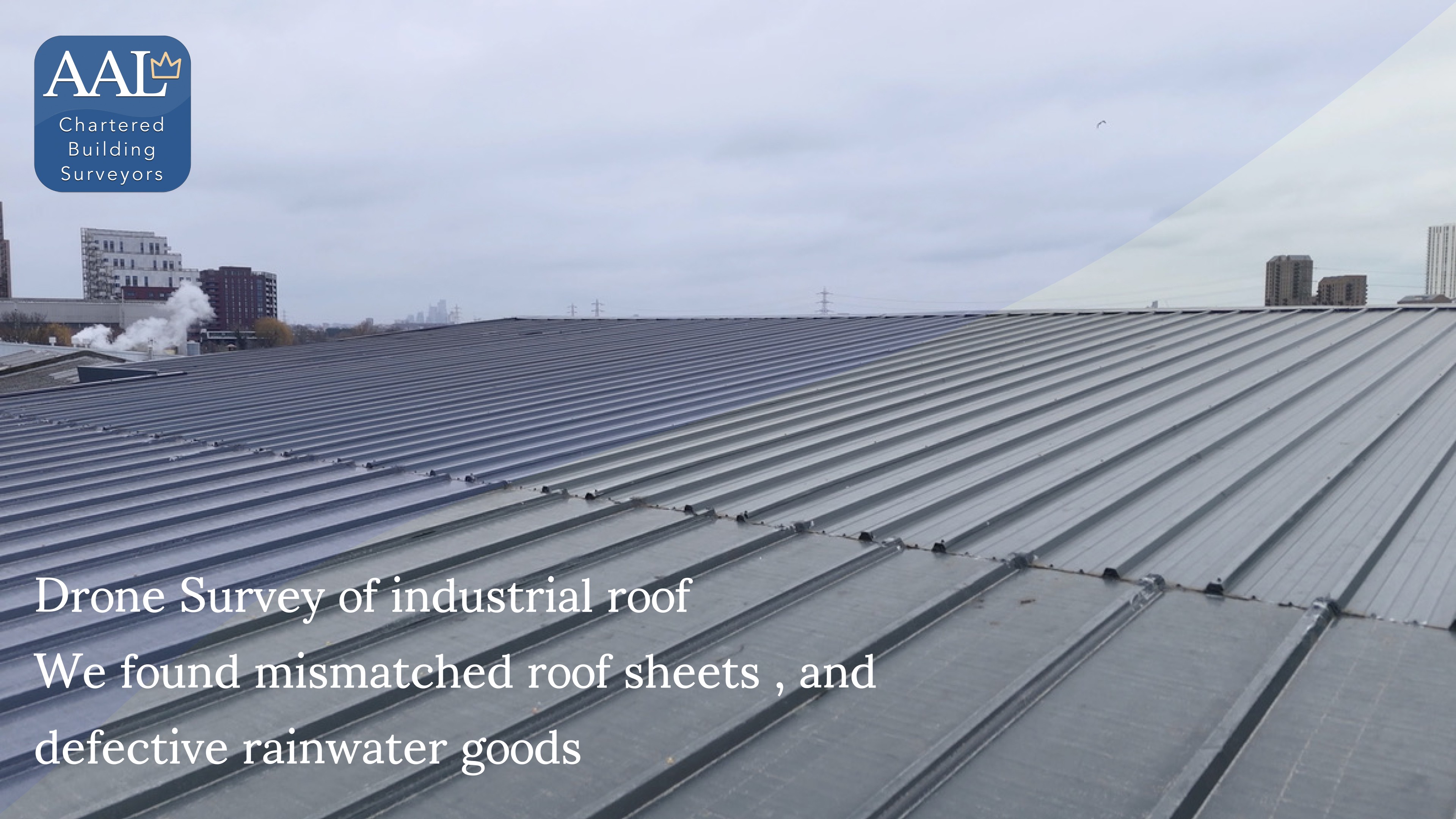
At our recent commercial due diligence survey of an industrial unit in East London, we utilised drone technology to conduct a detailed inspection of areas otherwise impossible to access, such as the roof, cladding, and high-level windows. Our surveyors, who...... Read more
The drone survey captured high-resolution images and data of the relevant areas, allowing us to identify key issues that might otherwise have been missed. Specifically, we discovered significant defects in the roof and cladding, along with issues in the rainwater goods. Such findings are crucial as they hold the potential to save our client significant expenditure, mitigating risks that could escalate into costly repairs if left unaddressed.
Our ability to integrate drone technology into traditional surveying practices not only elevates the thoroughness of our inspections but also adds substantial value to our clients by providing more comprehensive insights. This case in East London is a prime example of how leveraging innovative technology can lead to advantageous outcomes for our clients, ensuring their investments are sound, and their properties are maintained to the highest standard.
#FacilitiesManagement #AssetManagement #PropertyMaintenance #BuildingDefects #BuildingSurvey #RealEstateSurvey #StructuralAssessment #PropertyInspection #CommercialBuildingSurvey #CommercialProperty
Local Area
About Queen's Park
Queen's Park
Queen's Park sits on the border of the London Boroughs of Brent and Westminster in north-west London, between Kilburn and Kensal Green, a predominantly residential area defined by extensive late-Victorian terraced development across the grid streets around Salusbury Road and Chamberlayne Road, Edwardian mansion blocks, the green setting of Queen's Park itself, and a compact commercial centre along Salusbury Road. Typical building types include two- and three-storey Victorian bay-fronted terraces — many converted into flats — Edwardian mansion blocks, and Victorian commercial stock along Salusbury Road. Surveying instructions in Queen's Park commonly include pre-purchase surveys on Victorian houses and converted flats, party wall advice for widespread loft conversions, rear extensions, and basement works, and schedule-of-condition and dilapidations work on retail and restaurant leases along Salusbury Road.
Victorian Terraces and Flat Conversions
Queen's Park's characteristic Victorian bay-fronted terraces present solid-brick walls, slate roofs, timber sash windows, and rear outriggers. Common survey findings include slate roof covering age, timber decay at outriggers and bay windows, chimney stack deterioration, and original drainage reaching the end of its life. A significant proportion has been converted into flats, with surveys addressing fire separation, sound transmission, shared drainage, and common parts condition.
Basements and Party Walls
High property values have generated an active basement excavation and extension market. Party wall work under the Party Wall etc. Act 1996 is substantial, with detailed schedules of condition on adjoining owners, carefully drafted awards, and close monitoring during excavation essential. London clay subsoil makes thorough condition recording particularly important. Pre-purchase surveys on already-extended and basement-extended properties assess waterproofing performance, structural provision, and consent compliance.
Commercial Stock
Commercial stock along Salusbury Road and Chamberlayne Road generates schedule-of-condition, dilapidations, and licence-to-alter work on retail, restaurant, and small office leases, with kitchen extraction and acoustic separation common licence-to-alter themes for the area's independent restaurant and cafe operators.