
Dilapidation Building Inspections in Hampstead
Dilapidation building inspections for landlords and tenants who need condition evidence and practical support around schedules and leasehold dilapidation claims. Serving Hampstead with local context and lease-led inspection support.
What a Dilapidation Building Inspection Covers
A dilapidation building inspection is a detailed assessment of a commercial property carried out in the context of lease obligations, alleged breaches, or exit planning. The inspection is used to connect what is physically present on site with what the lease actually requires.
That usually means looking at repair, reinstatement, decoration, and visible deterioration in a structured way, then feeding the findings into the preparation of a schedule, a response, a Scott schedule, or a negotiation strategy. The aim is to distinguish actionable lease issues from items that are overstated, historic, or outside the tenant’s liability.
- Inspection of condition in the context of repair and reinstatement covenants.
- Gathering evidence to support schedules prepared for the landlord or responses prepared for the tenant.
- Review before lease expiry, break exercise, or live negotiation.
- Condition analysis that links physical findings back to the lease and claim documents.
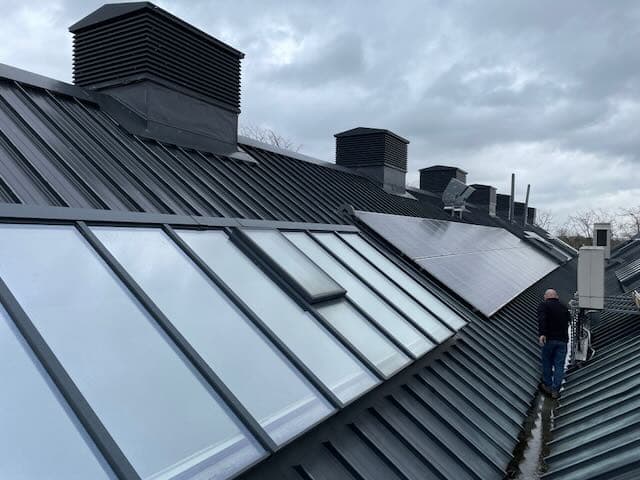
Condition evidence recorded on site before a schedule is served or answered.
£88,000 → £70,000
warehouse claim reduced through negotiation
Up to 50%
of initial claim value saved in current case studies
When This Type of Inspection Helps
This type of inspection is often useful where a landlord wants clearer evidence before serving a schedule, or where a tenant wants to test a claim against the actual condition of the premises.
It is also valuable before lease expiry or a break exercise, when there is still time to review liabilities properly, consider remedial works, and avoid being forced into a rushed response later.
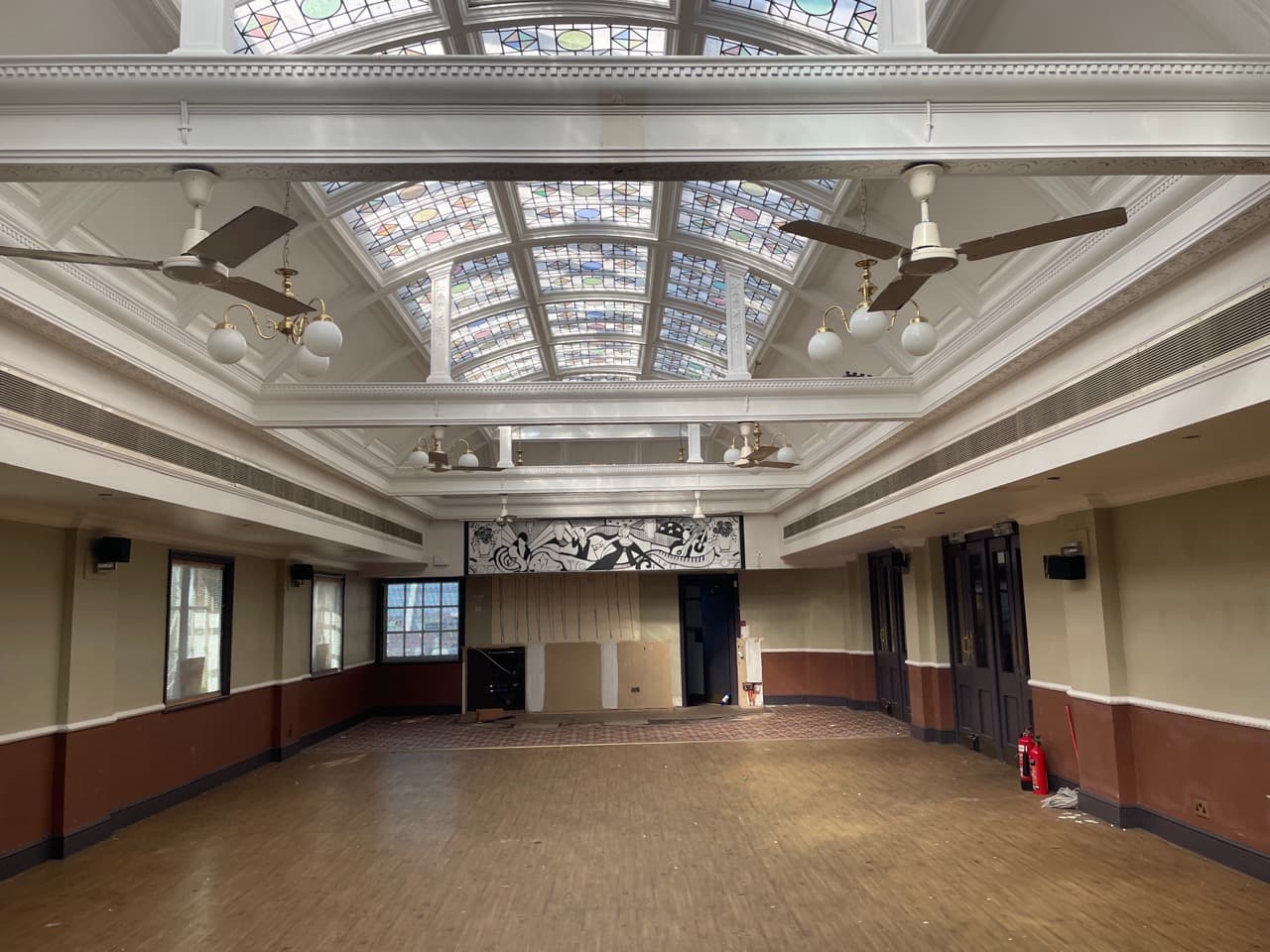
Where These Inspections Usually Fit
Landlord-Side Inspection
Inspection used to identify alleged breaches, record condition, and support the preparation of a schedule of dilapidations and quantified demand that is better grounded in the lease and the physical evidence.
Tenant-Side Challenge
Inspection used to test the landlord’s allegations against actual condition on site, identify overreach, and narrow the items that are genuinely arguable under the lease.
Pre-Exit Review
Inspection before lease expiry or break exercise so occupiers can understand likely exposure, decide whether works should be undertaken, and avoid reacting too late once the claim is served.
Local Property Context
Area pages make it easier to discuss a specific property, local stock, and the practical context of the instruction while still keeping the focus on lease obligations and condition evidence.
How The Instruction Usually Progresses
The inspection is rarely useful in isolation. Its value comes from sequencing the site visit with the lease, schedules, licences, and claim documents so the resulting advice is tied to liability rather than just condition in the abstract.
Where a live claim already exists, the inspection usually feeds into document critique and negotiation. Where the inspection happens earlier, it can shape lease-exit planning, repair strategy, and the question of whether works should be undertaken before the claim crystallises.
- Review the lease, schedules of condition, licences to alter, and any existing claim material.
- Inspect the premises with attention to repair, reinstatement, finishes, and visible condition issues.
- Compare the physical findings against the scope of the alleged or anticipated breaches.
- Translate the inspection into practical next steps: schedule preparation, response, negotiation, or pre-exit works planning.
Related Dilapidations Support
If the matter already involves a live claim, a schedule of dilapidations, or a quantified demand, the main dilapidations service page is the better route for the wider instruction and the next steps beyond the inspection itself.
View the main dilapidations serviceDilapidation Building Inspection FAQs
A dilapidation building inspection is a condition-led inspection of a commercial property carried out in the context of lease obligations, alleged breaches, or lease-exit planning. It is used to connect physical condition on site with the repair, reinstatement, and decoration obligations in the lease.
In many cases, yes. The inspection is often one part of a wider dilapidations surveyor instruction that may also include lease review, schedule preparation, response drafting, Scott schedules, and negotiation support.
Ideally before lease expiry or before responding to a terminal schedule, so there is time to understand likely exposure, challenge over-broad items, and decide whether works should be carried out before the claim hardens.
A landlord should usually instruct the inspection as lease expiry approaches or when preparing to serve a schedule, so the alleged breaches and claimed works are tied to actual condition evidence rather than assumption.
Need A Dilapidation Building Inspection? in Hampstead?
We can review the lease wording, inspect the premises, and advise on how the condition evidence affects schedules, scope, and negotiation strategy.
Contact UsSocial Media Feed

AAL Chartered Surveyors
2026-04-10 20:30:33 British local time

Where Roof Design Meets Condensation Risk
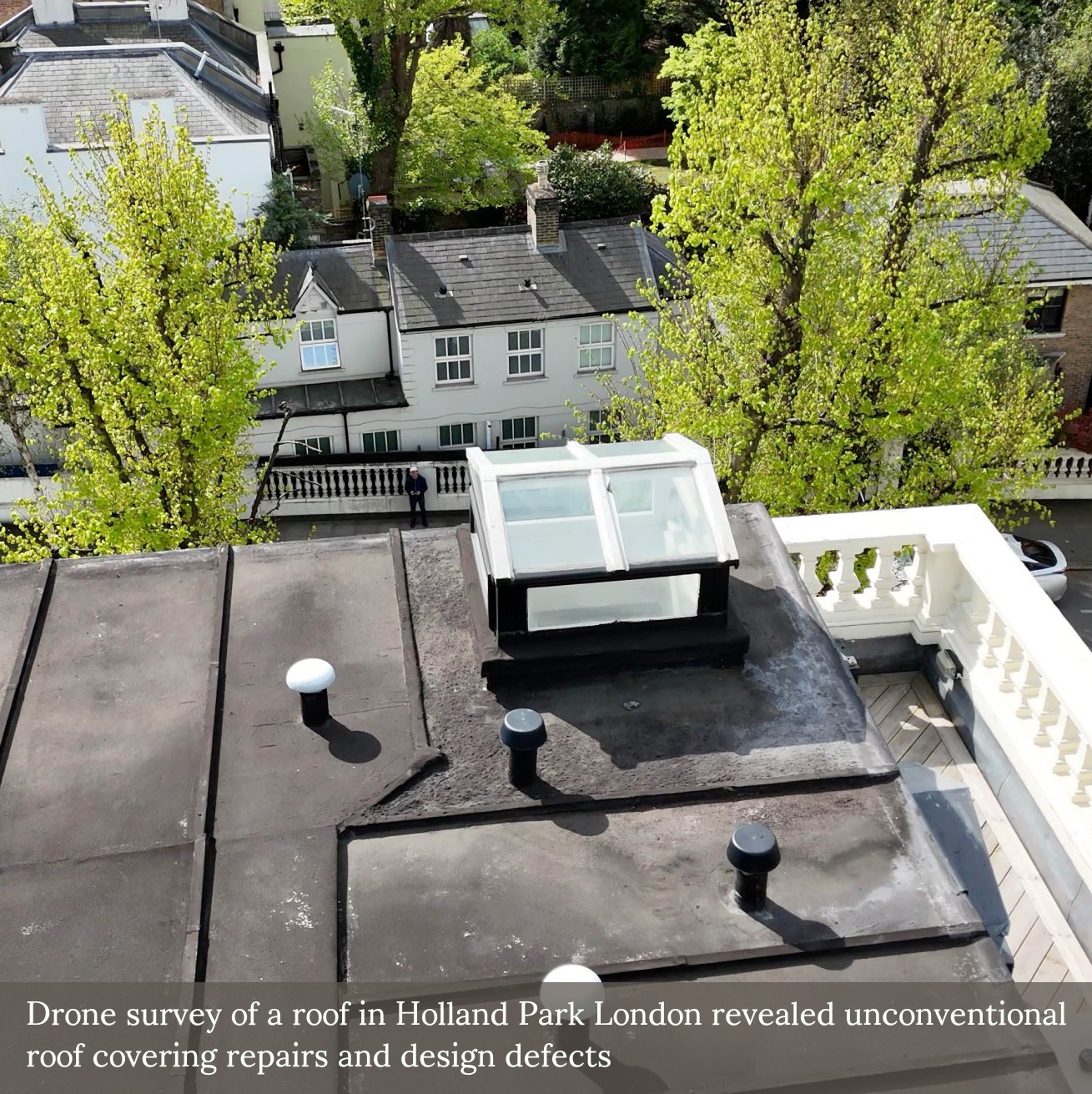
Two timber-framed roof lanterns formed part of a recent external inspection we undertook on a mansard roof in West London. Both featured single glazed elements, limited overhangs, and decorative paint finishes in p...... Read more
Two timber-framed roof lanterns formed part of a recent external inspection we undertook on a mansard roof in West London. Both featured single glazed elements, limited overhangs, and decorative paint finishes in poor condition.
The presence of condensation to internal glazing, along with signs of historical repair and timber exposure, highlights a common set of issues—particularly in traditional or poorly detailed roof structures.
Where single glazed rooflights are retained in occupied spaces, internal dampness is frequently the result of thermal bridging or trapped moisture, rather than rainwater penetration alone.
In such cases, replacement offers the opportunity to introduce modern, thermally efficient materials and more robust junction detailing—reducing risk and improving long-term performance.
AAL Chartered Surveyors
2026-04-10 11:40:23 British local time
Where Roof Design Meets Condensation Risk
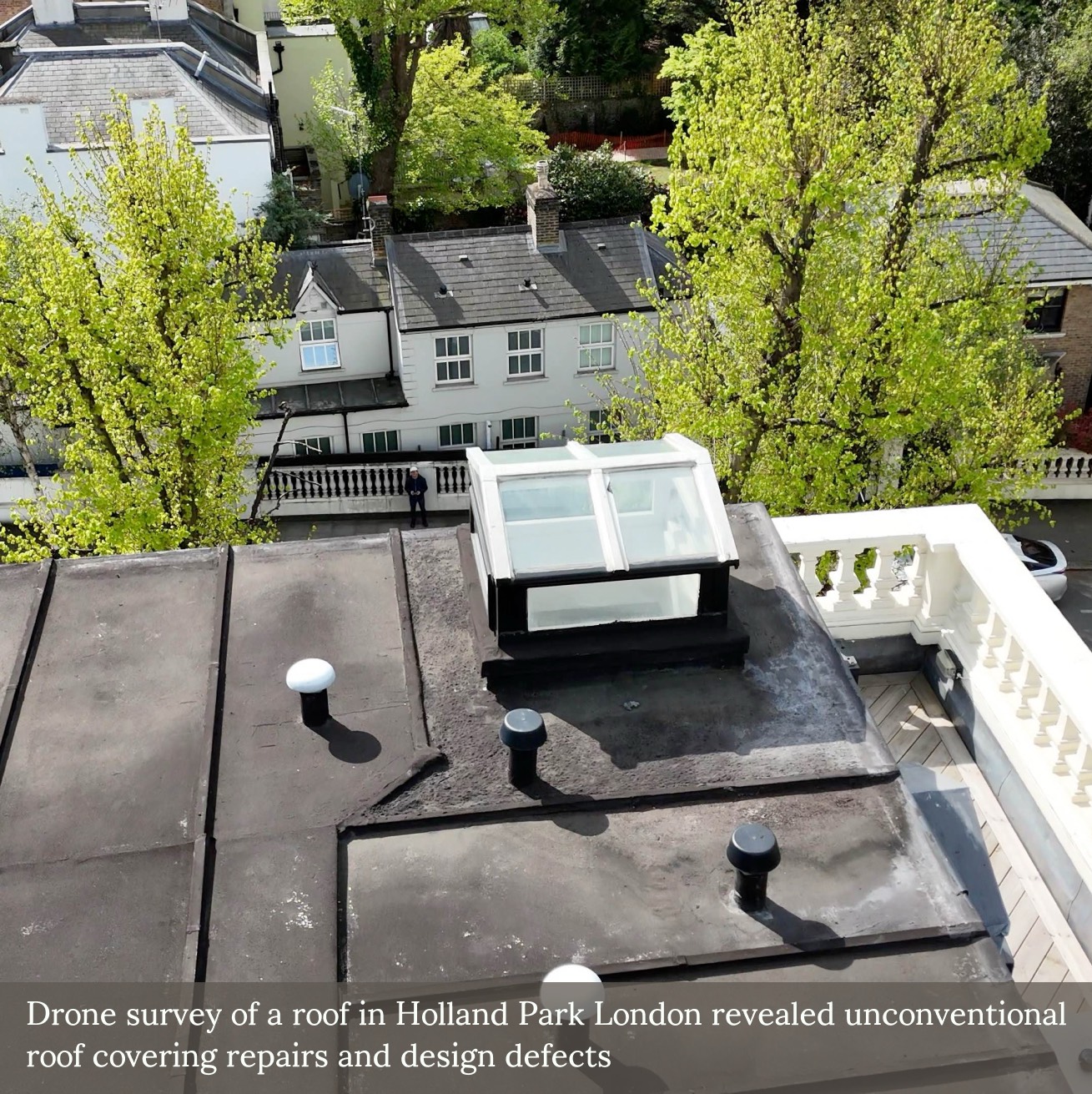
Two timber-framed roof lanterns formed part of a recent external inspection we undertook on a mansard roof in West London. Both featured single glazed elements, limited overhangs, and decorative paint finishes in p...... Read more
Two timber-framed roof lanterns formed part of a recent external inspection we undertook on a mansard roof in West London. Both featured single glazed elements, limited overhangs, and decorative paint finishes in poor condition.
The presence of condensation to internal glazing, along with signs of historical repair and timber exposure, highlights a common set of issues—particularly in traditional or poorly detailed roof structures.
Where single glazed rooflights are retained in occupied spaces, internal dampness is frequently the result of thermal bridging or trapped moisture, rather than rainwater penetration alone.
In such cases, replacement offers the opportunity to introduce modern, thermally efficient materials and more robust junction detailing—reducing risk and improving long-term performance.
AAL Chartered Surveyors
2026-04-10 11:32:43 British local time
Where Roof Design Meets Condensation Risk
Two timber-framed roof lanterns formed part of a recent external inspection we undertook on a mansard roof in West London. Both featured single glazed elements, limited overhangs, and decorative paint finishes in p...... Read more
Two timber-framed roof lanterns formed part of a recent external inspection we undertook on a mansard roof in West London. Both featured single glazed elements, limited overhangs, and decorative paint finishes in poor condition.
The presence of condensation to internal glazing, along with signs of historical repair and timber exposure, highlights a common set of issues—particularly in traditional or poorly detailed roof structures.
Where single glazed rooflights are retained in occupied spaces, internal dampness is frequently the result of thermal bridging or trapped moisture, rather than rainwater penetration alone.
In such cases, replacement offers the opportunity to introduce modern, thermally efficient materials and more robust junction detailing—reducing risk and improving long-term performance.
AAL Chartered Surveyors
2026-04-10 11:27:03 British local time
Where Roof Design Meets Condensation Risk
Two timber-framed roof lanterns formed part of a recent external inspection we undertook on a mansard roof in West London. Both featured single glazed elements, limited overhangs, and decorative paint finishes in p...... Read more
Two timber-framed roof lanterns formed part of a recent external inspection we undertook on a mansard roof in West London. Both featured single glazed elements, limited overhangs, and decorative paint finishes in poor condition.
The presence of condensation to internal glazing, along with signs of historical repair and timber exposure, highlights a common set of issues—particularly in traditional or poorly detailed roof structures.
Where single glazed rooflights are retained in occupied spaces, internal dampness is frequently the result of thermal bridging or trapped moisture, rather than rainwater penetration alone.
In such cases, replacement offers the opportunity to introduce modern, thermally efficient materials and more robust junction detailing—reducing risk and improving long-term performance.
AAL Chartered Surveyors
2026-04-10 11:20:33 British local time
Where Roof Design Meets Condensation Risk
Two timber-framed roof lanterns formed part of a recent external inspection we undertook on a mansard roof in West London. Both featured single glazed elements, limited overhangs, and decorative paint finishes in p...... Read more
Two timber-framed roof lanterns formed part of a recent external inspection we undertook on a mansard roof in West London. Both featured single glazed elements, limited overhangs, and decorative paint finishes in poor condition.
The presence of condensation to internal glazing, along with signs of historical repair and timber exposure, highlights a common set of issues—particularly in traditional or poorly detailed roof structures.
Where single glazed rooflights are retained in occupied spaces, internal dampness is frequently the result of thermal bridging or trapped moisture, rather than rainwater penetration alone.
In such cases, replacement offers the opportunity to introduce modern, thermally efficient materials and more robust junction detailing—reducing risk and improving long-term performance.
Local Area
About Hampstead
Hampstead
Hampstead sits in the London Borough of Camden in north London, on the high ground around Hampstead Heath, an affluent and architecturally exceptional area defined by listed Georgian and early-Victorian townhouse development around Hampstead Village, Flask Walk, and Church Row, extensive mid- and late-Victorian villa and terraced development across the slopes towards Belsize Park and South Hampstead, significant 20th-century modernist stock including Isokon, the Hampstead Garden Suburb fringe, and architect-designed interventions by Neave Brown, Ernő Goldfinger, and others, and selective recent high-specification infill. Typical building types include listed Georgian townhouses, substantial Victorian detached and semi-detached villas often subdivided into flats, Edwardian mansion blocks, significant modernist houses and estates, and post-war apartment developments. Surveying instructions in Hampstead commonly include pre-purchase surveys on listed and period stock, party wall and basement advice on widespread excavation projects, specialist reports on modernist buildings, and schedule-of-condition and dilapidations work on commercial leases along the High Street.
Listed and Conservation-Area Stock
Hampstead Village and the surrounding streets sit within designated conservation areas with pervasive listed-building coverage. Pre-purchase surveys require detailed assessment: stucco render and brick condition, parapet and valley gutter performance, timber sash window and joinery condition, slate roof and lead flashing condition, lower-ground and basement moisture management, and the cumulative impact of successive refurbishments. Listed building consent and conservation area controls constrain external alteration and affect repair specification throughout. The Hampstead subsoil — sandy at the ridge, giving way to London clay on the slopes — and the hillside topography produce specific subsidence and retaining-wall considerations on different streets.
Modernist Stock and Post-War Estates
Hampstead contains an exceptional concentration of modernist housing — Isokon Flats, Willow Road (Goldfinger), the Alexandra Road Estate (Neave Brown), and other architect-designed schemes, many listed. Pre-purchase surveys on this stock require specialist knowledge of early-modern concrete, flat-roof detailing, steel windows, and period services, alongside listed-building consent implications for repair and upgrade. Post-war and later apartment blocks around Fitzjohn's Avenue and Finchley Road support typical pre-purchase work on communal elements, services, and the freeholder's major-works programme.
Basements, Party Walls, and Commercial Leases
High property values have generated a very active basement excavation market on Hampstead single-house stock. Party wall work under the Party Wall etc. Act 1996 is extensive, with detailed schedules of condition on adjoining owners, carefully drafted awards, and close monitoring during excavation essential. Pre-purchase surveys on already-extended and basement-extended properties assess waterproofing performance, structural provision, and consent compliance. Commercial stock along Hampstead High Street, Heath Street, and Rosslyn Hill generates schedule-of-condition, dilapidations, and licence-to-alter work on retail, restaurant, and small office leases, much of it within listed or conservation-area buildings.