
Commercial Building Surveyors in Nailsea
Commercial building surveying services for inspections, due diligence, landlord and tenant matters, and asset management decisions. Serving Nailsea with technical reporting that supports acquisition, occupation, and lease strategy.
Commercial Chartered Building Surveyors
Commercial building surveying involves systematic evaluation of condition, risk, compliance, and liability across the lifecycle of a commercial asset. That can include pre-acquisition review, lease negotiation support, occupation-phase maintenance planning, and end-of-term landlord and tenant issues.
The service is intended to bring technical clarity to offices, industrial premises, retail property, and mixed-use assets where physical condition and building obligations influence investment and operational decisions.
- Technical due diligence and acquisition support.
- Commercial building surveys and defect diagnosis.
- Planned preventative maintenance and life-cycle planning.
- Lease-related advice for landlords and tenants.
Core Commercial Surveys
Technical Due Diligence
Inspection and assessment of condition, compliance position, and associated risks ahead of acquisition or lease commitment, helping clients identify liabilities and negotiation points early.
Commercial Building Surveys
Detailed review of structure, fabric, services, and condition to identify defects and issues that could affect occupation, safety, maintenance planning, or value.
Planned Preventative Maintenance
Forward-looking review of building elements to identify maintenance and replacement requirements over a defined period, supporting budgeting and asset planning.
Defect Diagnosis and Repair Specification
Targeted inspection to determine cause and extent of deterioration or failure, followed by technical specification to support pricing and remedial implementation.
Related Professional Services
Project Monitoring and Oversight
Independent professional oversight of refurbishment, maintenance, and construction activity to support programme, quality, scope, and risk control.
Landlord and Tenant Services
Commercial instructions often turn on lease obligations as much as on pure building condition. Landlord and tenant advice therefore sits alongside conventional survey work in this service line.
Instructions may include dilapidations strategy, schedules, condition reporting, exit planning, and review of the physical issues that influence repair liability and negotiation position.
Reporting is intended to help parties understand exposure, challenge assumptions where necessary, and move into negotiation from a technically defensible position.
Survey Methodology
Structured Visual Inspection
Systematic inspection remains the base layer of commercial survey work, with attention directed to structure, envelope, services, and the pattern of deterioration across the whole asset.
Technology-Led Data Capture
Where appropriate, digital capture tools and image-led inspection help improve consistency, speed, and the traceability of observations through the reporting process.
High-Level Review by Drone
For industrial and other difficult-access buildings, drone inspection can help review roofs, cladding, rainwater goods, and other high-level elements more safely and efficiently.
Decision-Focused Reporting
The reporting emphasis is on giving occupiers, investors, and managers the evidence needed to negotiate terms, prioritise works, and plan capital or maintenance spend.
Commercial Case Studies
Industrial Due Diligence, East London
A commercial due diligence survey of an industrial unit in East London produced findings that led to potential cost savings of approximately £150,000 for the client.
The inspection identified issues that affected lease negotiations, allowing the client to engage with the landlord from a stronger technical position and to seek changes to rental values and other terms tied to the lease.
Technical due diligence of this kind does more than record defects. It supports commercial leverage at the point where property decisions are made.
Industrial Unit Pathology Review
A separate industrial inspection identified floor slab irregularity and mismatched roof panels that increased the risk of water ingress and ongoing maintenance issues during the lease term.
The survey converted those technical observations into advice on condition risk, future liabilities, and likely remedial implications, giving the client a clearer basis for evaluating suitability and negotiating position.
Targeted reporting based on building pathology sets out not only the defects themselves, but the operational and financial consequences that follow from them.
Need Commercial Property Advice? in Nailsea?
We can advise on acquisitions, occupation risk, planned maintenance, and lease-related technical issues.
Contact UsSocial Media Feed

AAL Chartered Surveyors
2026-04-10 20:30:33 British local time

Where Roof Design Meets Condensation Risk
Two timber-framed roof lanterns formed part of a recent external inspection we undertook on a mansard roof in West London. Both featured single glazed elements, limited overhangs, and decorative paint finishes in p...... Read more
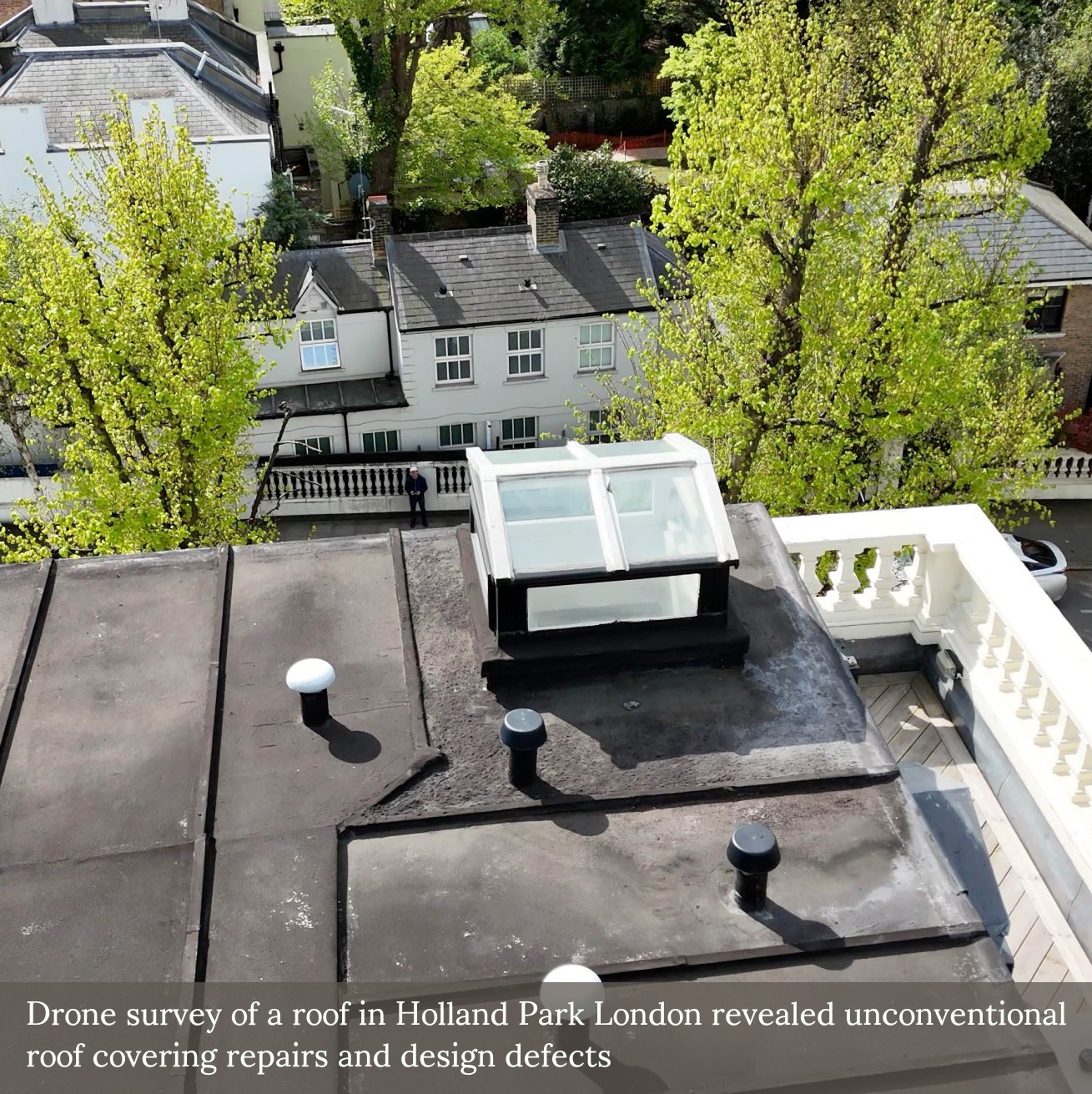
Two timber-framed roof lanterns formed part of a recent external inspection we undertook on a mansard roof in West London. Both featured single glazed elements, limited overhangs, and decorative paint finishes in poor condition.
The presence of condensation to internal glazing, along with signs of historical repair and timber exposure, highlights a common set of issues—particularly in traditional or poorly detailed roof structures.
Where single glazed rooflights are retained in occupied spaces, internal dampness is frequently the result of thermal bridging or trapped moisture, rather than rainwater penetration alone.
In such cases, replacement offers the opportunity to introduce modern, thermally efficient materials and more robust junction detailing—reducing risk and improving long-term performance.
AAL Chartered Surveyors
2026-04-10 11:40:23 British local time
Where Roof Design Meets Condensation Risk
Two timber-framed roof lanterns formed part of a recent external inspection we undertook on a mansard roof in West London. Both featured single glazed elements, limited overhangs, and decorative paint finishes in p...... Read more
Two timber-framed roof lanterns formed part of a recent external inspection we undertook on a mansard roof in West London. Both featured single glazed elements, limited overhangs, and decorative paint finishes in poor condition.
The presence of condensation to internal glazing, along with signs of historical repair and timber exposure, highlights a common set of issues—particularly in traditional or poorly detailed roof structures.
Where single glazed rooflights are retained in occupied spaces, internal dampness is frequently the result of thermal bridging or trapped moisture, rather than rainwater penetration alone.
In such cases, replacement offers the opportunity to introduce modern, thermally efficient materials and more robust junction detailing—reducing risk and improving long-term performance.
AAL Chartered Surveyors
2026-04-10 11:32:43 British local time
Where Roof Design Meets Condensation Risk
Two timber-framed roof lanterns formed part of a recent external inspection we undertook on a mansard roof in West London. Both featured single glazed elements, limited overhangs, and decorative paint finishes in p...... Read more
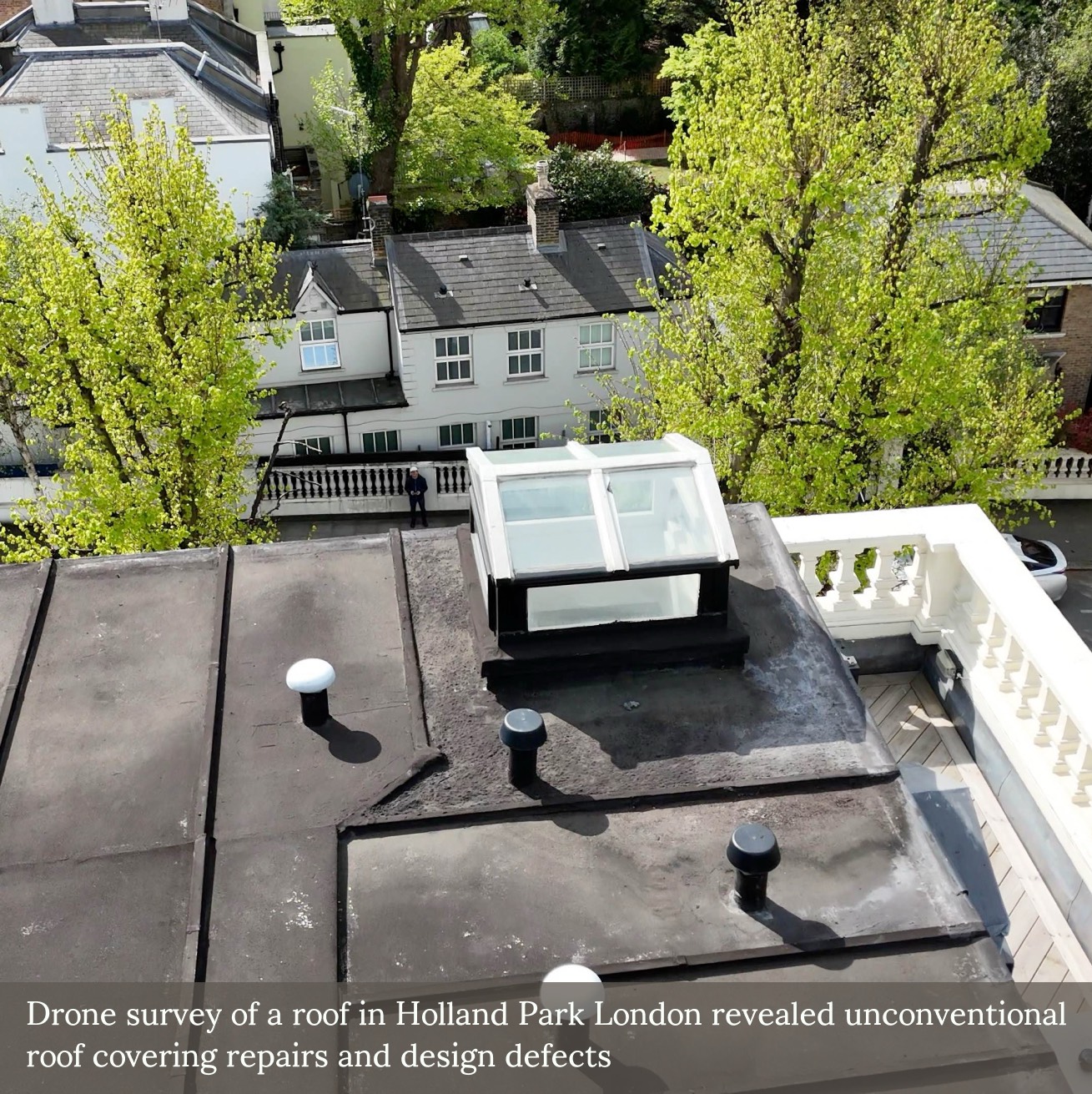
Two timber-framed roof lanterns formed part of a recent external inspection we undertook on a mansard roof in West London. Both featured single glazed elements, limited overhangs, and decorative paint finishes in poor condition.
The presence of condensation to internal glazing, along with signs of historical repair and timber exposure, highlights a common set of issues—particularly in traditional or poorly detailed roof structures.
Where single glazed rooflights are retained in occupied spaces, internal dampness is frequently the result of thermal bridging or trapped moisture, rather than rainwater penetration alone.
In such cases, replacement offers the opportunity to introduce modern, thermally efficient materials and more robust junction detailing—reducing risk and improving long-term performance.
AAL Chartered Surveyors
2026-04-10 11:27:03 British local time
Where Roof Design Meets Condensation Risk
Two timber-framed roof lanterns formed part of a recent external inspection we undertook on a mansard roof in West London. Both featured single glazed elements, limited overhangs, and decorative paint finishes in p...... Read more
Two timber-framed roof lanterns formed part of a recent external inspection we undertook on a mansard roof in West London. Both featured single glazed elements, limited overhangs, and decorative paint finishes in poor condition.
The presence of condensation to internal glazing, along with signs of historical repair and timber exposure, highlights a common set of issues—particularly in traditional or poorly detailed roof structures.
Where single glazed rooflights are retained in occupied spaces, internal dampness is frequently the result of thermal bridging or trapped moisture, rather than rainwater penetration alone.
In such cases, replacement offers the opportunity to introduce modern, thermally efficient materials and more robust junction detailing—reducing risk and improving long-term performance.
AAL Chartered Surveyors
2026-04-10 11:20:33 British local time
Where Roof Design Meets Condensation Risk
Two timber-framed roof lanterns formed part of a recent external inspection we undertook on a mansard roof in West London. Both featured single glazed elements, limited overhangs, and decorative paint finishes in p...... Read more
Two timber-framed roof lanterns formed part of a recent external inspection we undertook on a mansard roof in West London. Both featured single glazed elements, limited overhangs, and decorative paint finishes in poor condition.
The presence of condensation to internal glazing, along with signs of historical repair and timber exposure, highlights a common set of issues—particularly in traditional or poorly detailed roof structures.
Where single glazed rooflights are retained in occupied spaces, internal dampness is frequently the result of thermal bridging or trapped moisture, rather than rainwater penetration alone.
In such cases, replacement offers the opportunity to introduce modern, thermally efficient materials and more robust junction detailing—reducing risk and improving long-term performance.
Local Area
About Nailsea
Nailsea
Nailsea is a commuter town south west of Bristol whose commercial stock centres on the town centre and Crown Glass shopping precinct, the trading premises along the High Street and Silver Street, and small employment estates toward the railway station at Backwell and along the Clevedon Road corridor. Surveying instructions in Nailsea commonly include schedules of condition and dilapidations on retail and trade premises, commercial building surveys where units or parades change hands, and reinstatement advice as precinct units re-let.
The Town Centre and Crown Glass Precinct
The Crown Glass precinct and the surrounding town-centre stock are late-twentieth-century construction with flat and shallow-pitched roofs, service yards, and roof-level plant. Units re-letting through the precinct generate schedule-of-condition and dilapidations instructions, and the questions repeat across the stock: membrane roofs at or beyond the end of their serviceable life, shared services crossing demise boundaries, and reinstatement of successive shop fit-outs. Service-charge allocation across the managed parts rewards scrutiny before lease commitment, because envelope renewal on this generation of stock arrives as a large shared cost.
High Street and Older Trading Stock
The older premises around the High Street, Silver Street, and the historic core trade from Victorian and earlier buildings in local stone and render, with clay tile and slate roofs and separately held upper parts above several of the shops. Solid-wall damp, roof covering age, and alterations accumulated over long occupation are the recurring survey findings, and demise boundaries across shared structure need settling at commencement. The town's glassworks history left pockets of converted and repurposed buildings whose structural form does not always match their current use, a point worth establishing before acquisition.
Employment Estates
Employment stock is limited and concentrated on small estates toward Backwell station and along the Clevedon Road corridor, presenting brick and profiled-metal units where roof condition, rooflights, and gutter systems drive lease-end liability. Trade-counter and service occupiers generate steady if modest instruction volume, and the strength of the Bristol market a short distance away means Nailsea-based businesses frequently hold leases elsewhere in the region, with lease-end exposure that travels with them.