
Dilapidation Building Inspections in Catford
Dilapidation building inspections for landlords and tenants who need condition evidence and practical support around schedules and leasehold dilapidation claims. Serving Catford with local context and lease-led inspection support.
What a Dilapidation Building Inspection Covers
A dilapidation building inspection is a detailed assessment of a commercial property carried out in the context of lease obligations, alleged breaches, or exit planning. The inspection is used to connect what is physically present on site with what the lease actually requires.
That usually means looking at repair, reinstatement, decoration, and visible deterioration in a structured way, then feeding the findings into the preparation of a schedule, a response, a Scott schedule, or a negotiation strategy. The aim is to distinguish actionable lease issues from items that are overstated, historic, or outside the tenant’s liability.
- Inspection of condition in the context of repair and reinstatement covenants.
- Gathering evidence to support schedules prepared for the landlord or responses prepared for the tenant.
- Review before lease expiry, break exercise, or live negotiation.
- Condition analysis that links physical findings back to the lease and claim documents.
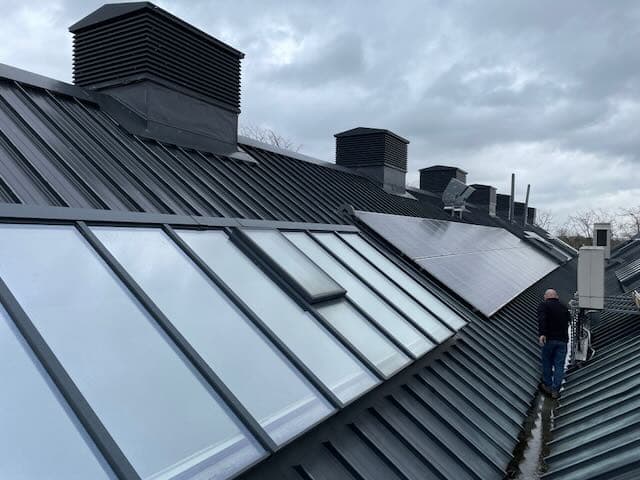
Condition evidence recorded on site before a schedule is served or answered.
£88,000 → £70,000
warehouse claim reduced through negotiation
Up to 50%
of initial claim value saved in current case studies
When This Type of Inspection Helps
This type of inspection is often useful where a landlord wants clearer evidence before serving a schedule, or where a tenant wants to test a claim against the actual condition of the premises.
It is also valuable before lease expiry or a break exercise, when there is still time to review liabilities properly, consider remedial works, and avoid being forced into a rushed response later.
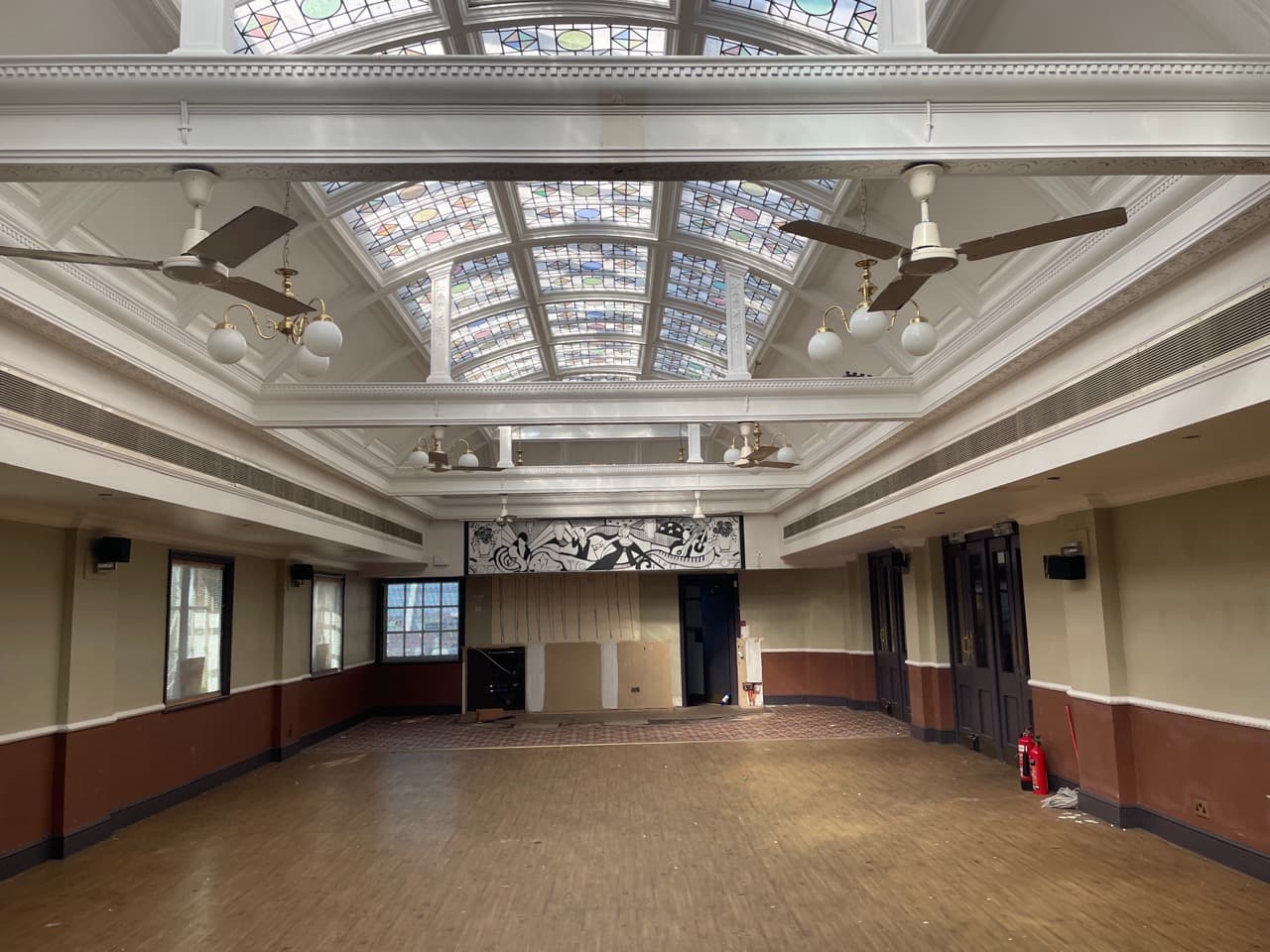
Where These Inspections Usually Fit
Landlord-Side Inspection
Inspection used to identify alleged breaches, record condition, and support the preparation of a schedule of dilapidations and quantified demand that is better grounded in the lease and the physical evidence.
Tenant-Side Challenge
Inspection used to test the landlord’s allegations against actual condition on site, identify overreach, and narrow the items that are genuinely arguable under the lease.
Pre-Exit Review
Inspection before lease expiry or break exercise so occupiers can understand likely exposure, decide whether works should be undertaken, and avoid reacting too late once the claim is served.
Local Property Context
Area pages make it easier to discuss a specific property, local stock, and the practical context of the instruction while still keeping the focus on lease obligations and condition evidence.
How The Instruction Usually Progresses
The inspection is rarely useful in isolation. Its value comes from sequencing the site visit with the lease, schedules, licences, and claim documents so the resulting advice is tied to liability rather than just condition in the abstract.
Where a live claim already exists, the inspection usually feeds into document critique and negotiation. Where the inspection happens earlier, it can shape lease-exit planning, repair strategy, and the question of whether works should be undertaken before the claim crystallises.
- Review the lease, schedules of condition, licences to alter, and any existing claim material.
- Inspect the premises with attention to repair, reinstatement, finishes, and visible condition issues.
- Compare the physical findings against the scope of the alleged or anticipated breaches.
- Translate the inspection into practical next steps: schedule preparation, response, negotiation, or pre-exit works planning.
Related Dilapidations Support
If the matter already involves a live claim, a schedule of dilapidations, or a quantified demand, the main dilapidations service page is the better route for the wider instruction and the next steps beyond the inspection itself.
View the main dilapidations serviceDilapidation Building Inspection FAQs
A dilapidation building inspection is a condition-led inspection of a commercial property carried out in the context of lease obligations, alleged breaches, or lease-exit planning. It is used to connect physical condition on site with the repair, reinstatement, and decoration obligations in the lease.
In many cases, yes. The inspection is often one part of a wider dilapidations surveyor instruction that may also include lease review, schedule preparation, response drafting, Scott schedules, and negotiation support.
Ideally before lease expiry or before responding to a terminal schedule, so there is time to understand likely exposure, challenge over-broad items, and decide whether works should be carried out before the claim hardens.
A landlord should usually instruct the inspection as lease expiry approaches or when preparing to serve a schedule, so the alleged breaches and claimed works are tied to actual condition evidence rather than assumption.
Need A Dilapidation Building Inspection? in Catford?
We can review the lease wording, inspect the premises, and advise on how the condition evidence affects schedules, scope, and negotiation strategy.
Contact UsSocial Media Feed

AAL Chartered Surveyors
2026-04-10 20:30:33 British local time

Where Roof Design Meets Condensation Risk
Two timber-framed roof lanterns formed part of a recent external inspection we undertook on a mansard roof in West London. Both featured single glazed elements, limited overhangs, and decorative paint finishes in p...... Read more
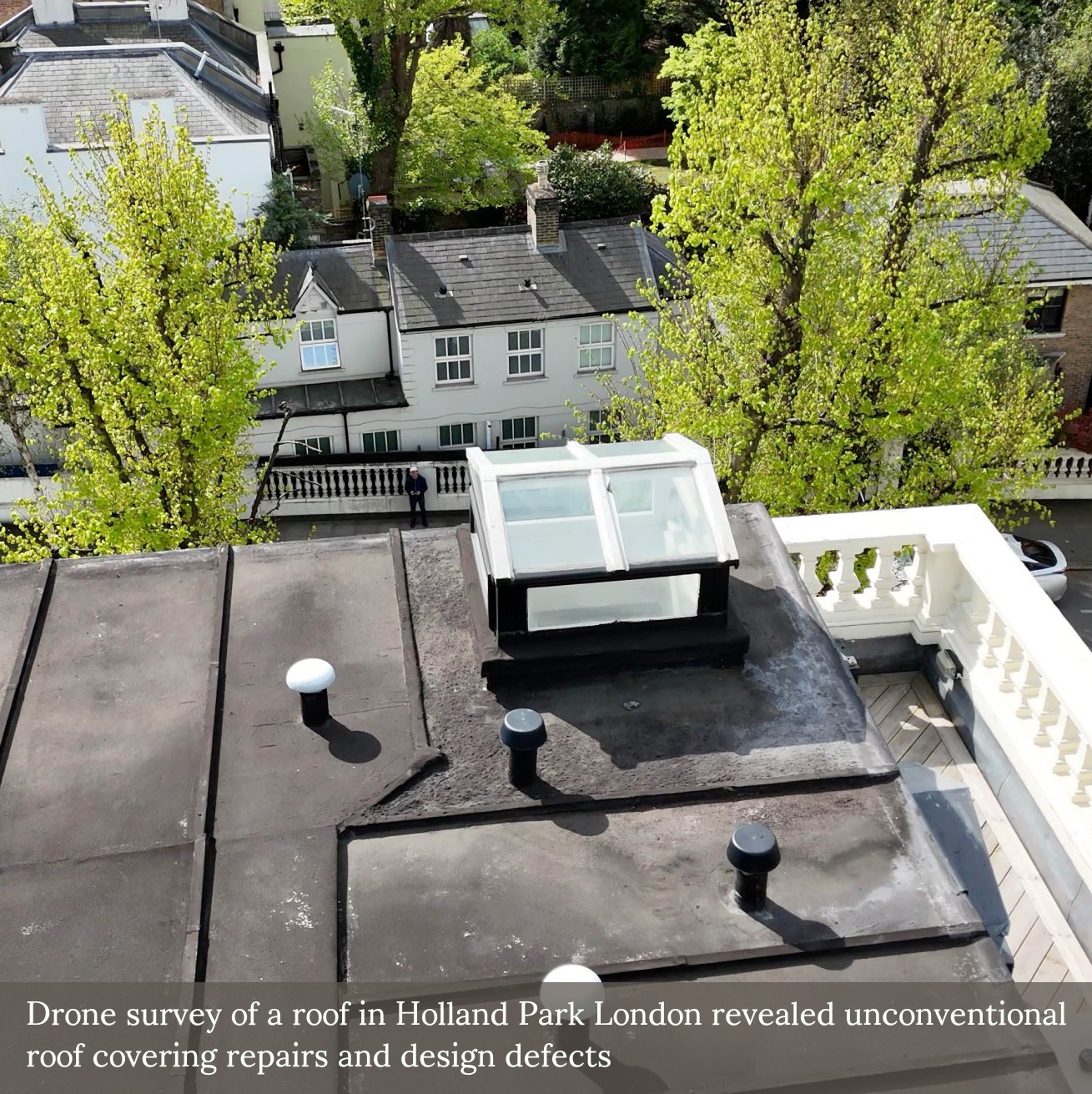
Two timber-framed roof lanterns formed part of a recent external inspection we undertook on a mansard roof in West London. Both featured single glazed elements, limited overhangs, and decorative paint finishes in poor condition.
The presence of condensation to internal glazing, along with signs of historical repair and timber exposure, highlights a common set of issues—particularly in traditional or poorly detailed roof structures.
Where single glazed rooflights are retained in occupied spaces, internal dampness is frequently the result of thermal bridging or trapped moisture, rather than rainwater penetration alone.
In such cases, replacement offers the opportunity to introduce modern, thermally efficient materials and more robust junction detailing—reducing risk and improving long-term performance.
AAL Chartered Surveyors
2026-04-10 11:40:23 British local time
Where Roof Design Meets Condensation Risk
Two timber-framed roof lanterns formed part of a recent external inspection we undertook on a mansard roof in West London. Both featured single glazed elements, limited overhangs, and decorative paint finishes in p...... Read more
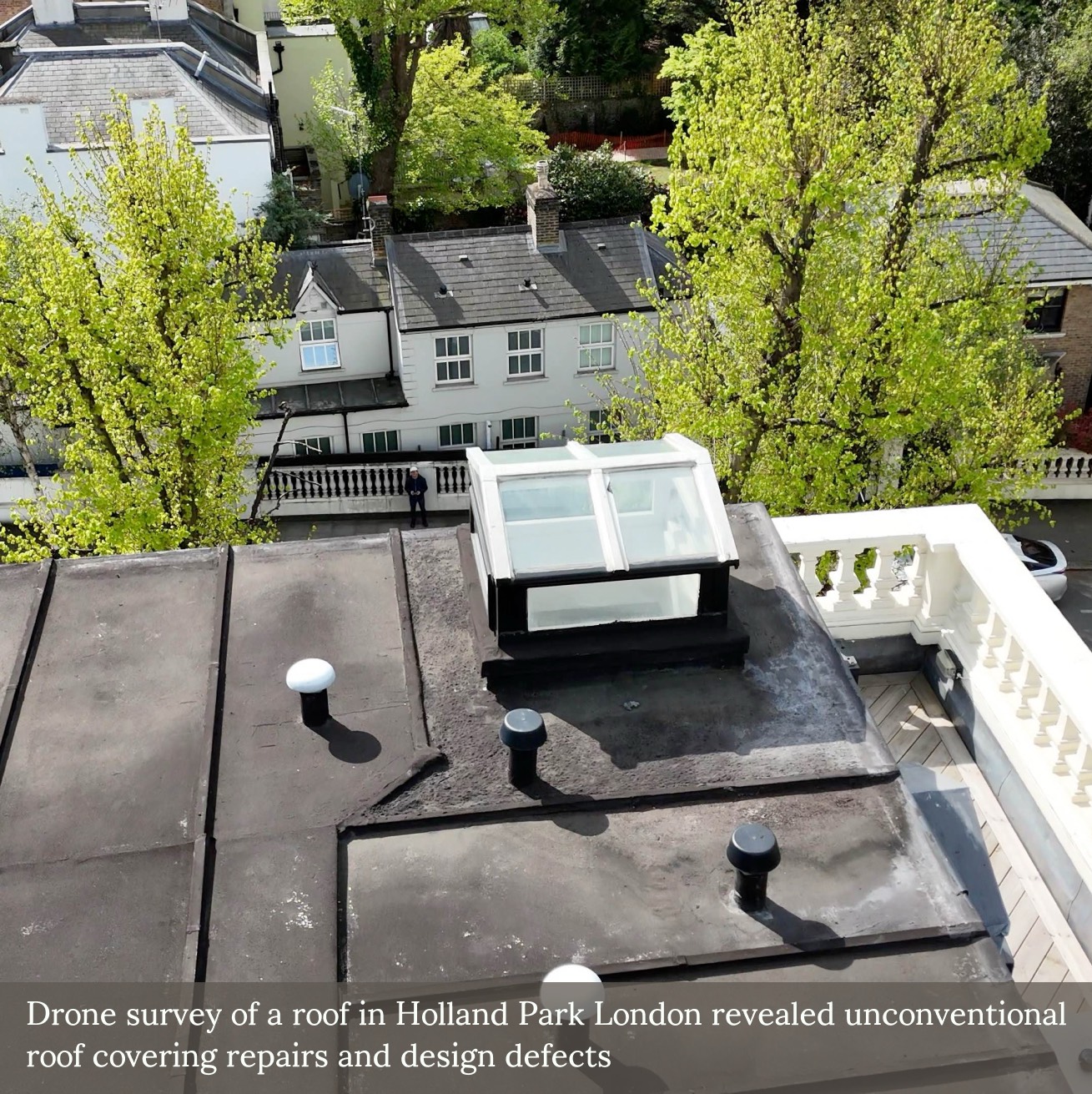
Two timber-framed roof lanterns formed part of a recent external inspection we undertook on a mansard roof in West London. Both featured single glazed elements, limited overhangs, and decorative paint finishes in poor condition.
The presence of condensation to internal glazing, along with signs of historical repair and timber exposure, highlights a common set of issues—particularly in traditional or poorly detailed roof structures.
Where single glazed rooflights are retained in occupied spaces, internal dampness is frequently the result of thermal bridging or trapped moisture, rather than rainwater penetration alone.
In such cases, replacement offers the opportunity to introduce modern, thermally efficient materials and more robust junction detailing—reducing risk and improving long-term performance.
AAL Chartered Surveyors
2026-04-10 11:32:43 British local time
Where Roof Design Meets Condensation Risk
Two timber-framed roof lanterns formed part of a recent external inspection we undertook on a mansard roof in West London. Both featured single glazed elements, limited overhangs, and decorative paint finishes in p...... Read more
Two timber-framed roof lanterns formed part of a recent external inspection we undertook on a mansard roof in West London. Both featured single glazed elements, limited overhangs, and decorative paint finishes in poor condition.
The presence of condensation to internal glazing, along with signs of historical repair and timber exposure, highlights a common set of issues—particularly in traditional or poorly detailed roof structures.
Where single glazed rooflights are retained in occupied spaces, internal dampness is frequently the result of thermal bridging or trapped moisture, rather than rainwater penetration alone.
In such cases, replacement offers the opportunity to introduce modern, thermally efficient materials and more robust junction detailing—reducing risk and improving long-term performance.
AAL Chartered Surveyors
2026-04-10 11:27:03 British local time
Where Roof Design Meets Condensation Risk
Two timber-framed roof lanterns formed part of a recent external inspection we undertook on a mansard roof in West London. Both featured single glazed elements, limited overhangs, and decorative paint finishes in p...... Read more
Two timber-framed roof lanterns formed part of a recent external inspection we undertook on a mansard roof in West London. Both featured single glazed elements, limited overhangs, and decorative paint finishes in poor condition.
The presence of condensation to internal glazing, along with signs of historical repair and timber exposure, highlights a common set of issues—particularly in traditional or poorly detailed roof structures.
Where single glazed rooflights are retained in occupied spaces, internal dampness is frequently the result of thermal bridging or trapped moisture, rather than rainwater penetration alone.
In such cases, replacement offers the opportunity to introduce modern, thermally efficient materials and more robust junction detailing—reducing risk and improving long-term performance.
AAL Chartered Surveyors
2026-04-10 11:20:33 British local time
Where Roof Design Meets Condensation Risk
Two timber-framed roof lanterns formed part of a recent external inspection we undertook on a mansard roof in West London. Both featured single glazed elements, limited overhangs, and decorative paint finishes in p...... Read more
Two timber-framed roof lanterns formed part of a recent external inspection we undertook on a mansard roof in West London. Both featured single glazed elements, limited overhangs, and decorative paint finishes in poor condition.
The presence of condensation to internal glazing, along with signs of historical repair and timber exposure, highlights a common set of issues—particularly in traditional or poorly detailed roof structures.
Where single glazed rooflights are retained in occupied spaces, internal dampness is frequently the result of thermal bridging or trapped moisture, rather than rainwater penetration alone.
In such cases, replacement offers the opportunity to introduce modern, thermally efficient materials and more robust junction detailing—reducing risk and improving long-term performance.
Local Area
About Catford
Catford
Catford sits in the London Borough of Lewisham in south-east London, a predominantly residential area shaped by late-Victorian and Edwardian terraced and semi-detached development, substantial inter-war suburban expansion across the Corbett Estate and the surrounding streets, significant post-war council housing including the Excalibur prefab estate, and a centre dominated by mid-20th-century commercial and civic buildings including the distinctive 1970s Catford Centre and shopping precinct. Typical building types include late-Victorian and Edwardian two- and three-storey terraces, inter-war semi-detached suburban housing, post-war estate blocks, and retained civic and retail buildings. Surveying instructions in Catford commonly include pre-purchase surveys on Victorian and Edwardian terraces, inter-war semi-detached houses, and ex-council flats, schedules of condition for residential lettings, party wall advice for loft conversions and rear extensions, and dilapidations work on retail leases along Rushey Green.
Victorian, Edwardian, and Corbett Estate Terraces
The Corbett Estate — Archibald Cameron Corbett's late-Victorian and Edwardian development — dominates large parts of Catford with distinctive red-brick bay-fronted terraced and semi-detached houses, many in conservation areas. Original features commonly include solid-brick or early-cavity walls, slate roofs, timber sash windows, and rear outriggers. Common survey findings include slate roof covering age, timber decay at rear outriggers and bay windows, chimney stack deterioration, damp in solid-walled ground-floor rooms, and original drainage in salt-glazed clay reaching the end of its life. Conservation area controls on many streets constrain external alterations and affect repair specification.
Inter-War Housing and Subsidence
Substantial inter-war semi-detached housing across the fringes of Catford presents cavity-brick walls with mild-steel wall ties vulnerable to corrosion, concrete or clay tile roofs reaching the end of their serviceable life, and rendered or pebble-dashed finishes that frequently show cracking and detachment. London clay subsoil combined with mature street and garden trees makes subsidence and heave a recurring survey theme, particularly on shallow-founded inter-war stock. Surveyors regularly assess movement cracking, whether tree proximity or drainage defects are drivers, and whether further investigation is required. Underpinning records and insurance implications feature in purchase due diligence.
Post-War Estates and Extensions
Catford contains significant post-war council estate stock of varied types, alongside the well-known Excalibur prefab estate — now partially listed and subject to specific heritage and redevelopment considerations. Pre-purchase surveys on ex-council flats need to identify construction type because this affects mortgageability and insurance. Loft conversions and rear extensions are widespread across the private housing stock, generating routine party wall work under the Party Wall etc. Act 1996. Pre-purchase surveys on already-extended properties assess extension quality — junction detailing, flat-roof performance, structural provision at removed walls — and verification that Building Regulation and party wall consents were obtained.