

RICS Reinstatement Cost Assessments in Cottenham Park
Reinstatement cost assessments for commercial and residential buildings to support accurate insurance placement and reduce underinsurance risk. Serving Cottenham Park with evidence-based rebuild-cost advice for insurance decisions.
Reinstatement Cost Assessment for Commercial Properties
Commercial reinstatement assessments are intended to establish the likely cost of rebuilding a property following total loss, taking account of demolition, reconstruction, professional fees, and compliance with current regulations.
The exercise considers the scale and form of the building, its construction method, services, complexity, specialist features, and any site-specific issues that would influence the rebuild cost in practice.
For offices, industrial units, retail premises, and mixed-use assets, an accurate figure is important because underinsurance can leave owners exposed to significant shortfall under average clause provisions.
Reinstatement Cost Assessment for Residential Properties
Residential reinstatement cost assessments provide homeowners, landlords, and managing interests with an evidence-based figure for the cost of rebuilding the property rather than a sale-price figure.
The assessment considers age, size, construction form, specialist features, and current construction cost data so that the resulting insurance figure reflects the actual reinstatement burden as closely as possible.
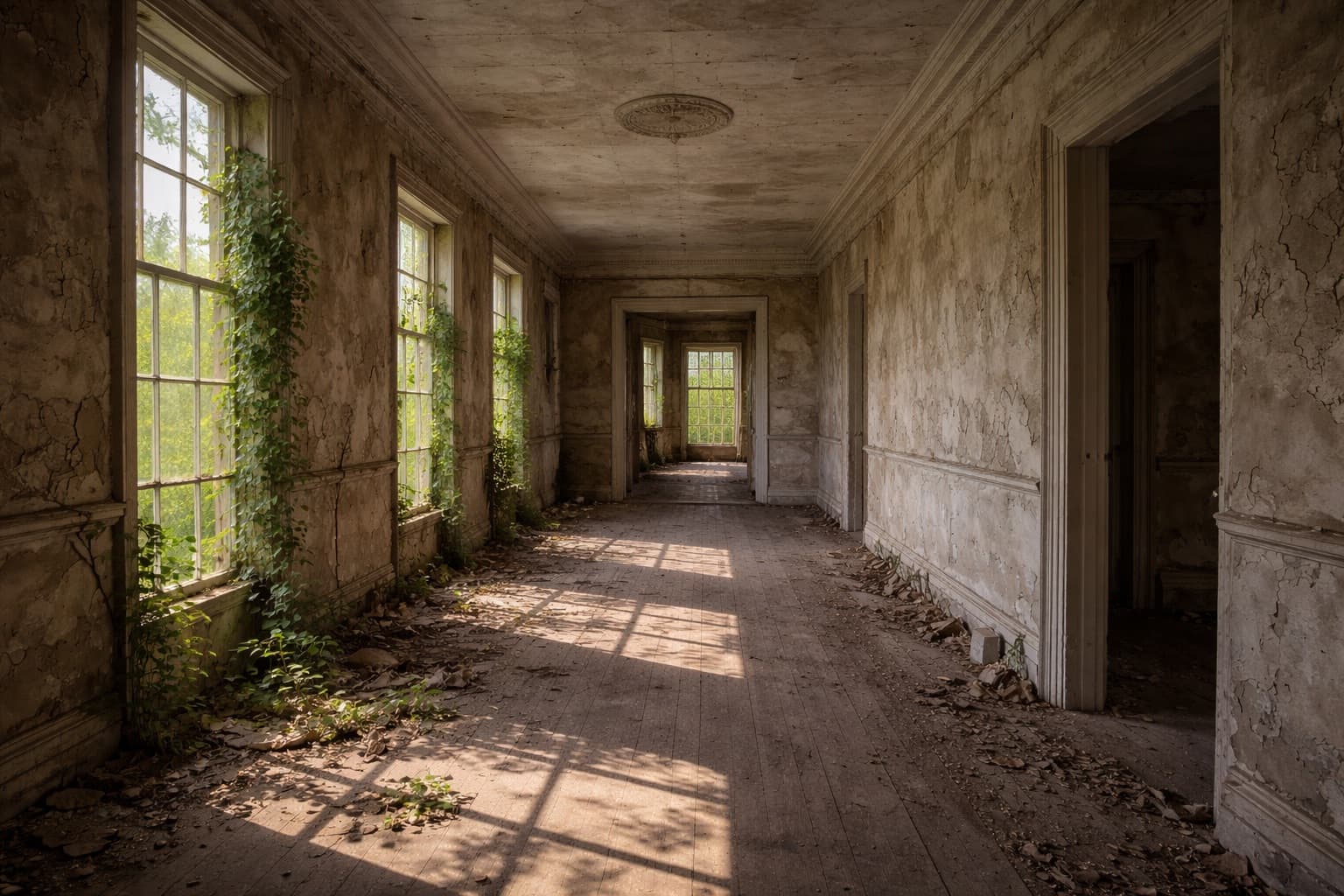
This is particularly important where heritage character, unusual detailing, or non-standard construction could materially affect rebuild cost beyond ordinary assumptions.
Why Accuracy Matters
Accurate reinstatement figures help manage both underinsurance risk and unnecessary premium spend. If the insured sum is materially below the true rebuild cost, property owners can be exposed to a funding gap following a major loss.
The aim is to produce a figure that reflects the actual reinstatement requirement of the building in question, informed by its construction, complexity, regulatory context, and any specialist rebuilding considerations.
Construction and Complexity
Assessments consider the form of construction, structural complexity, building services, and the labour and materials needed to rebuild the property.
Regulatory and Professional Costs
Reinstatement figures need to reflect compliance with current standards as well as professional fees and other cost components that arise in a full rebuild scenario.
Specialist Features
Listed, historic, or highly specified buildings may require specialist materials and trades, which can materially alter the insurance rebuild figure.
Insurance Positioning
The output is intended to support insurance placement decisions so that the property is insured for a realistic rebuild figure rather than an assumed or historic value.
Reinstatement Case Studies
Listed Academic Building, Central London
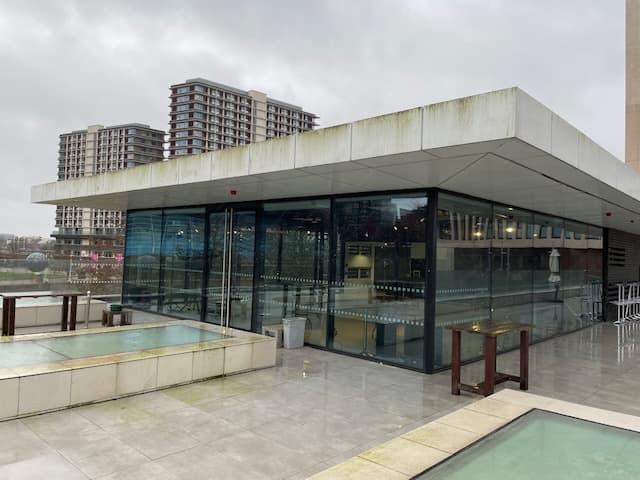
A recent commission involved a reinstatement cost assessment for a prestigious listed building occupied by an academic institution in Central London. The challenge was to establish a rebuild figure that reflected both the operational importance of the building and the constraints that arise with listed structures.
The assessment had to account for specialist architectural elements, heritage requirements, and the cost implications of rebuilding a complex property while preserving its architectural character and complying with the relevant regulations.
This type of instruction demonstrates why listed and historic buildings require more than generic insurance assumptions. The figure must be rooted in the real complexity of reinstatement.
Historic Building Methodology and Benchmarking
For historic buildings, the methodology extends beyond measurement alone. It typically includes desktop study, on-site inspection, review of construction methods and alterations, and benchmarking against comparable specialist reinstatement work.
That structured process helps translate architectural character and specialist workmanship into an insurance figure that is realistic, defensible, and aligned with the actual reinstatement burden the client could face.
Reviewing Insurance Sums Insured? in Cottenham Park?
We can help establish an evidence-based reinstatement figure for commercial and residential buildings.
Contact UsTestimonials
Feedback from clients who have used our surveying advice and reporting services.
Clayton was thorough, professional, and personable. The survey report was detailed, practical, and helped us move forward with confidence.
My report and consultation were excellent. I really appreciated the thoroughness, expertise, advice and value for money.
Excellent, prompt, and professional service. The report was detailed and much more useful than previous reports I received.
Local Area
About Cottenham Park
Overview of Cottenham Park
Cottenham Park is characterized by its tranquil residential roads lined with interwar semi-detached and detached houses. These houses typically employ a combination of brickwork and render, with timber elements. Roofs are usually made from interlocking tiles, a popular choice in the 1930s, providing durability and a timeless aesthetic. The area reflects a consistent architectural style that prioritizes comfort and family living.
Architectural Character in Cottenham Park
In built-form terms, Cottenham Park is often defined by layered urban growth rather than a single style, so older residential stock sits alongside more recent schemes and adapted commercial buildings.
Construction Techniques and Survey Considerations
Common surveying issues in Cottenham Park include the condition of older masonry, repeated internal alteration, roofing and drainage maintenance, damp risk, and the cumulative effect of piecemeal refurbishment.
Why Cottenham Park Matters from a Property Perspective
From a property perspective, Cottenham Park is most effectively understood by looking beyond the street-level appearance and testing how well the building fabric has been maintained and adapted.