

Understanding Shared Chimney Stacks: A Visual Guide
When properties in London and the South East share a common structure such as a chimney stack, understanding each segment and its responsibilities becomes crucial for maintenance and resolving disputes. Our detailed shared chimney stack diagram serves as an essential tool for homeowners, surveyors, and property managers alike.
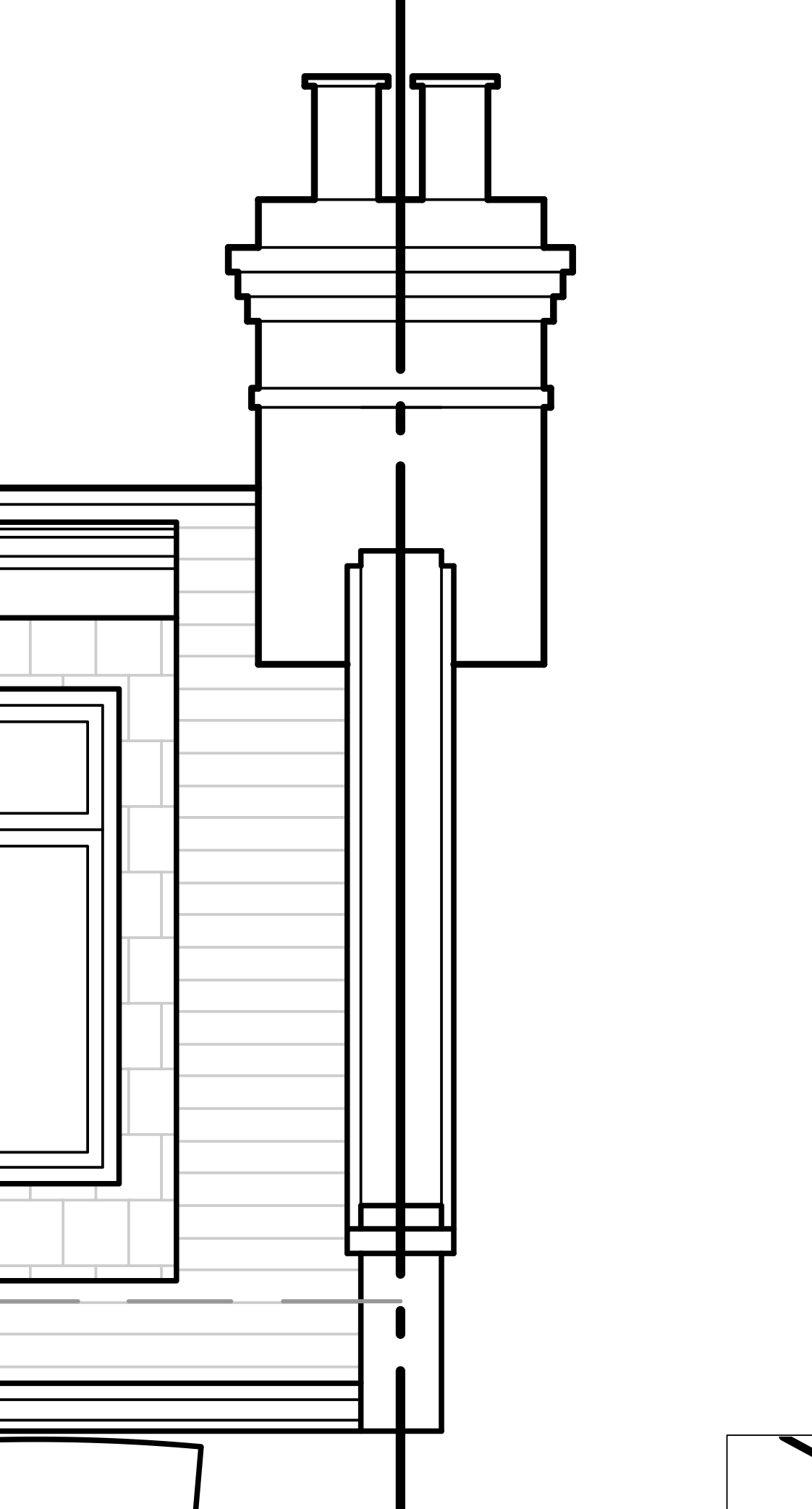
A shared chimney stack is commonly found in terraced or semi-detached homes. Often they qualify as party structures under the Party Wall etc. Act 1996. As such they are often jointly owned by the owners on either side of the boundary, and certain works require notification under the Act.
Components of a Shared Chimney Stack
- Chimney pots – These sit at the very top of the chimney stack, visible above the roofline. In most cases, each pot serves a flue in only one of the properties.
- Flue liners – Crucial for safe operation, these line the inside of the chimney to ensure efficient exhaust of smoke and gases.
- Stack body – This is the main vertical structure that houses the flues, often shared between properties, and often subject to varying historical maintenance over the years.
- Flashings – These are installed to prevent water ingress where the chimney meets the roof.
- Flaunching – Concrete or mortar used to secure the chimney pots and protect the stack from water damage.
Importance of Regular Inspections
Regular inspections of shared chimney stacks are indispensable. They not only ensure the safety and efficiency of your chimney but also help in early detection of potential issues that could lead to more significant repairs if left unattended. This preventative approach saves time and resources in the long run.
How Our Surveying Services Can Help
Our RICS accredited surveying professionals offer comprehensive inspections and detailed reports on shared chimney stacks. By leveraging advanced techniques and thorough understanding of building structures, we help you maintain the integrity and functionality of your shared chimneys, providing peace of mind and aiding in dispute resolution.
If work is required to the shared chimney stack, we can advise on whether notification is required under the Party Wall etc. Act 1996. Contact us for a free consultation
Related knowledge
Compare this article with the nearest matching pages if you want to follow the topic into related surveying questions.
Explore the crucial aspects of chimney stack removal and party wall regulations in the UK. Our guide outlines the legal requirements, necessary steps before starting work, and the vital role of a building surveyor to ensure compliance and efficiency.
Explore essential building regulations for chimney stack removal in London and the South East, focusing on structural integrity, fire safety, and the Party Wall Act. Ensure your property's compliance and safety with professional advice from certified experts…
Explore the importance of chimney stack maintenance for safety and efficiency in London and the South East. Learn about common issues and how our RICS-certified surveyors ensure your chimney's integrity with professional inspections.
Explore the cost of chimney stack removal in London and the South East. Understand the factors that influence costs and obtain precise quotes from our RICS accredited surveyors for your specific needs. Gain insights and plan your project with confidence.
Key Services
Need a surveyor rather than another article?
If this article relates to a live property issue, one of these service pages is likely to be the most useful next step.
Lease-end claims
Dilapidations
Landlord and tenant advice on schedules, quantified demands, lease interpretation, and negotiated settlement.
Explore DilapidationsNeighbourly matters
Party wall matters
Notices, adjoining owner response, schedules of condition, awards, and practical support before works start.
Explore Party wall mattersLease protection
Schedules of condition
Condition recording for lease commencement, pre-works evidence, and later protection against dispute over pre-existing condition.
Explore Schedules of condition