
Commercial Building Surveyors in Whitechapel
Commercial building surveying services for inspections, due diligence, landlord and tenant matters, and asset management decisions. Serving Whitechapel with technical reporting that supports acquisition, occupation, and lease strategy.
Commercial Chartered Building Surveyors
Commercial building surveying involves systematic evaluation of condition, risk, compliance, and liability across the lifecycle of a commercial asset. That can include pre-acquisition review, lease negotiation support, occupation-phase maintenance planning, and end-of-term landlord and tenant issues.
The service is intended to bring technical clarity to offices, industrial premises, retail property, and mixed-use assets where physical condition and building obligations influence investment and operational decisions.
- Technical due diligence and acquisition support.
- Commercial building surveys and defect diagnosis.
- Planned preventative maintenance and life-cycle planning.
- Lease-related advice for landlords and tenants.
Core Commercial Surveys
Technical Due Diligence
Inspection and assessment of condition, compliance position, and associated risks ahead of acquisition or lease commitment, helping clients identify liabilities and negotiation points early.
Commercial Building Surveys
Detailed review of structure, fabric, services, and condition to identify defects and issues that could affect occupation, safety, maintenance planning, or value.
Planned Preventative Maintenance
Forward-looking review of building elements to identify maintenance and replacement requirements over a defined period, supporting budgeting and asset planning.
Defect Diagnosis and Repair Specification
Targeted inspection to determine cause and extent of deterioration or failure, followed by technical specification to support pricing and remedial implementation.
Related Professional Services
Project Monitoring and Oversight
Independent professional oversight of refurbishment, maintenance, and construction activity to support programme, quality, scope, and risk control.
Landlord and Tenant Services
Commercial instructions often turn on lease obligations as much as on pure building condition. Landlord and tenant advice therefore sits alongside conventional survey work in this service line.
Instructions may include dilapidations strategy, schedules, condition reporting, exit planning, and review of the physical issues that influence repair liability and negotiation position.
Reporting is intended to help parties understand exposure, challenge assumptions where necessary, and move into negotiation from a technically defensible position.
Survey Methodology
Structured Visual Inspection
Systematic inspection remains the base layer of commercial survey work, with attention directed to structure, envelope, services, and the pattern of deterioration across the whole asset.
Technology-Led Data Capture
Where appropriate, digital capture tools and image-led inspection help improve consistency, speed, and the traceability of observations through the reporting process.
High-Level Review by Drone
For industrial and other difficult-access buildings, drone inspection can help review roofs, cladding, rainwater goods, and other high-level elements more safely and efficiently.
Decision-Focused Reporting
The reporting emphasis is on giving occupiers, investors, and managers the evidence needed to negotiate terms, prioritise works, and plan capital or maintenance spend.
Commercial Case Studies
Industrial Due Diligence, East London
A commercial due diligence survey of an industrial unit in East London produced findings that led to potential cost savings of approximately £150,000 for the client.
The inspection identified issues that affected lease negotiations, allowing the client to engage with the landlord from a stronger technical position and to seek changes to rental values and other terms tied to the lease.
Technical due diligence of this kind does more than record defects. It supports commercial leverage at the point where property decisions are made.
Industrial Unit Pathology Review
A separate industrial inspection identified floor slab irregularity and mismatched roof panels that increased the risk of water ingress and ongoing maintenance issues during the lease term.
The survey converted those technical observations into advice on condition risk, future liabilities, and likely remedial implications, giving the client a clearer basis for evaluating suitability and negotiating position.
Targeted reporting based on building pathology sets out not only the defects themselves, but the operational and financial consequences that follow from them.
Need Commercial Property Advice? in Whitechapel?
We can advise on acquisitions, occupation risk, planned maintenance, and lease-related technical issues.
Contact UsSocial Media Feed

AAL Chartered Surveyors
2026-04-10 20:30:33 British local time

Where Roof Design Meets Condensation Risk
Two timber-framed roof lanterns formed part of a recent external inspection we undertook on a mansard roof in West London. Both featured single glazed elements, limited overhangs, and decorative paint finishes in p...... Read more
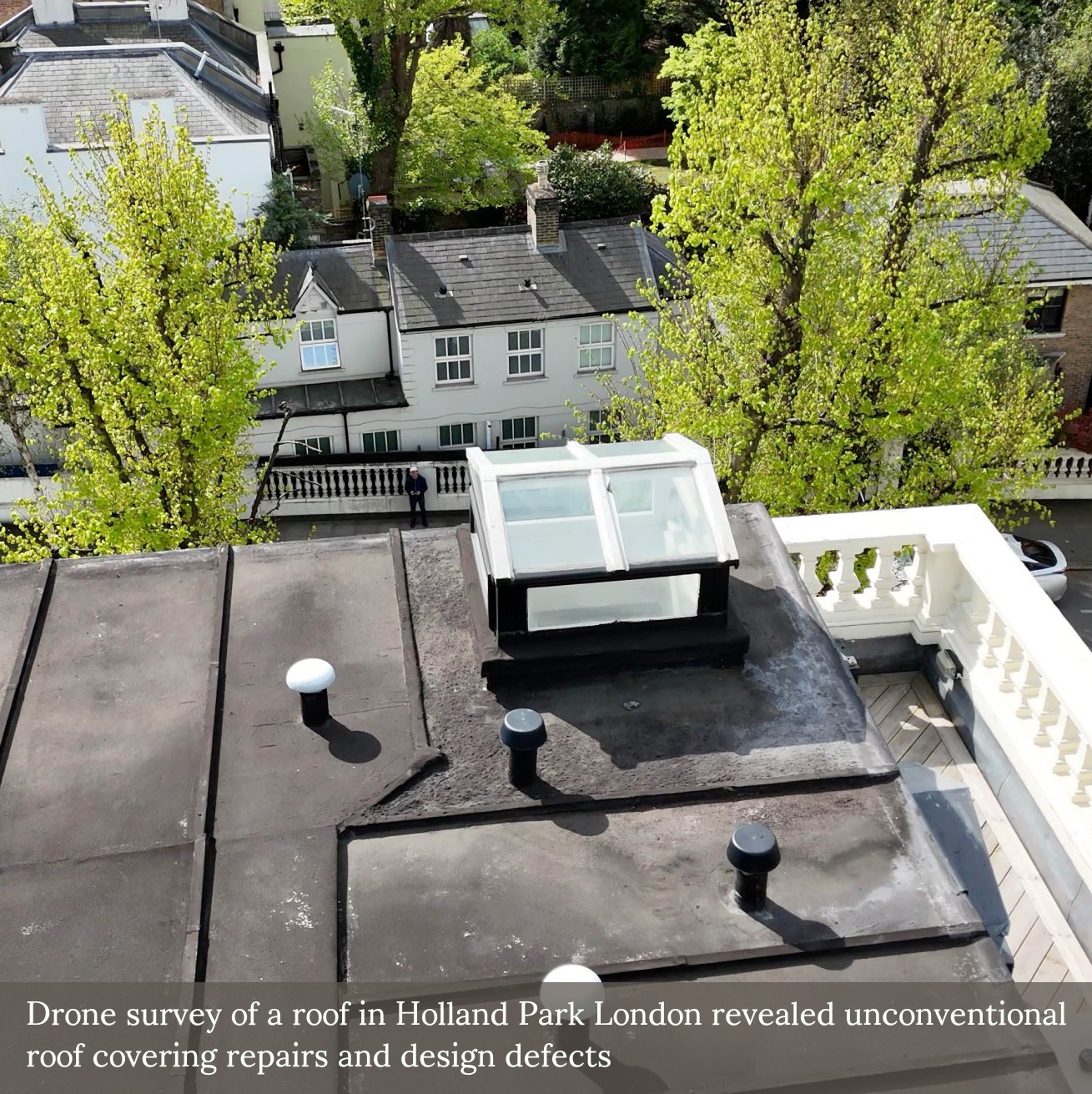
Two timber-framed roof lanterns formed part of a recent external inspection we undertook on a mansard roof in West London. Both featured single glazed elements, limited overhangs, and decorative paint finishes in poor condition.
The presence of condensation to internal glazing, along with signs of historical repair and timber exposure, highlights a common set of issues—particularly in traditional or poorly detailed roof structures.
Where single glazed rooflights are retained in occupied spaces, internal dampness is frequently the result of thermal bridging or trapped moisture, rather than rainwater penetration alone.
In such cases, replacement offers the opportunity to introduce modern, thermally efficient materials and more robust junction detailing—reducing risk and improving long-term performance.
AAL Chartered Surveyors
2026-04-10 11:40:23 British local time
Where Roof Design Meets Condensation Risk
Two timber-framed roof lanterns formed part of a recent external inspection we undertook on a mansard roof in West London. Both featured single glazed elements, limited overhangs, and decorative paint finishes in p...... Read more
Two timber-framed roof lanterns formed part of a recent external inspection we undertook on a mansard roof in West London. Both featured single glazed elements, limited overhangs, and decorative paint finishes in poor condition.
The presence of condensation to internal glazing, along with signs of historical repair and timber exposure, highlights a common set of issues—particularly in traditional or poorly detailed roof structures.
Where single glazed rooflights are retained in occupied spaces, internal dampness is frequently the result of thermal bridging or trapped moisture, rather than rainwater penetration alone.
In such cases, replacement offers the opportunity to introduce modern, thermally efficient materials and more robust junction detailing—reducing risk and improving long-term performance.
AAL Chartered Surveyors
2026-04-10 11:32:43 British local time
Where Roof Design Meets Condensation Risk
Two timber-framed roof lanterns formed part of a recent external inspection we undertook on a mansard roof in West London. Both featured single glazed elements, limited overhangs, and decorative paint finishes in p...... Read more
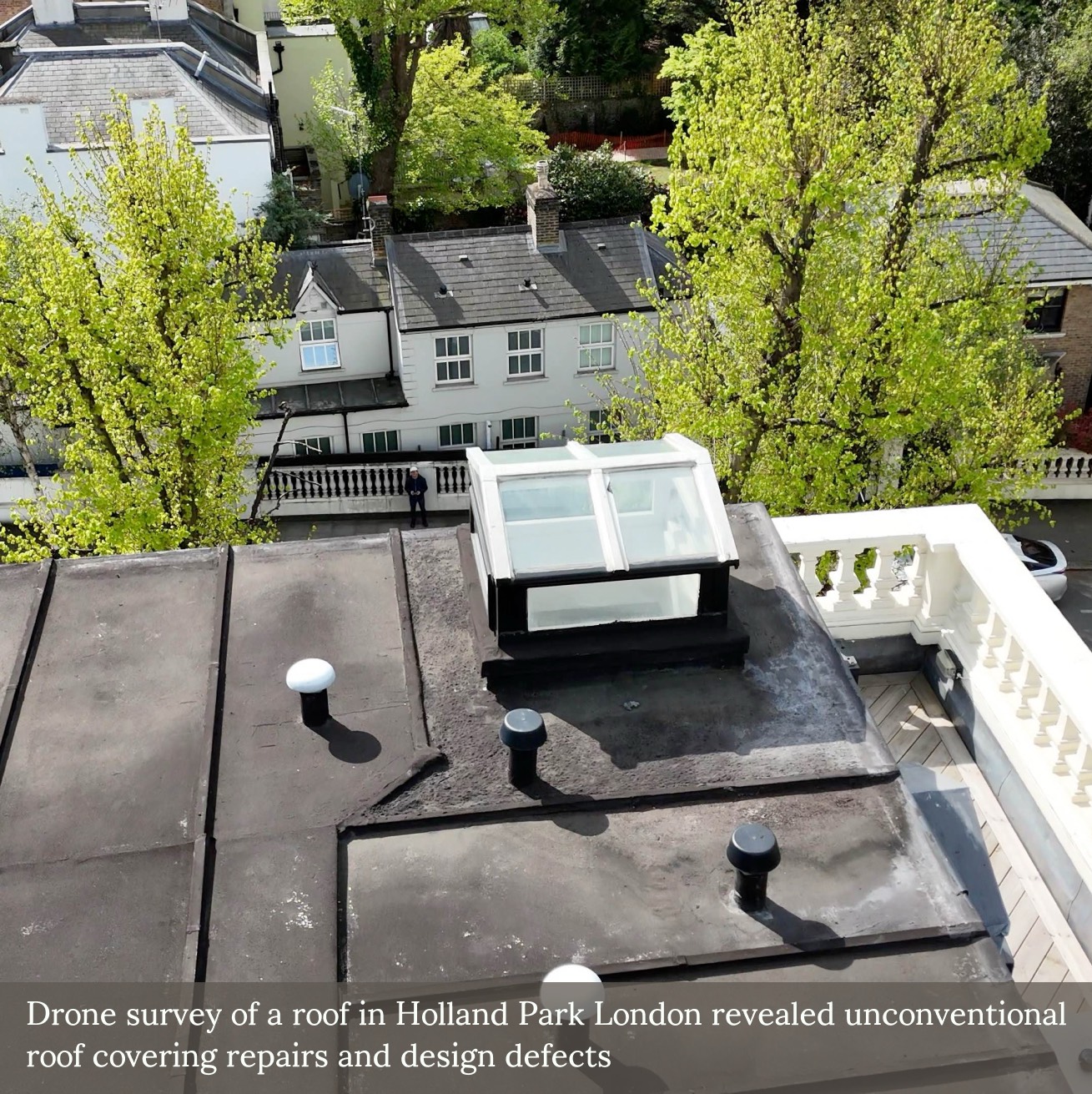
Two timber-framed roof lanterns formed part of a recent external inspection we undertook on a mansard roof in West London. Both featured single glazed elements, limited overhangs, and decorative paint finishes in poor condition.
The presence of condensation to internal glazing, along with signs of historical repair and timber exposure, highlights a common set of issues—particularly in traditional or poorly detailed roof structures.
Where single glazed rooflights are retained in occupied spaces, internal dampness is frequently the result of thermal bridging or trapped moisture, rather than rainwater penetration alone.
In such cases, replacement offers the opportunity to introduce modern, thermally efficient materials and more robust junction detailing—reducing risk and improving long-term performance.
AAL Chartered Surveyors
2026-04-10 11:27:03 British local time
Where Roof Design Meets Condensation Risk
Two timber-framed roof lanterns formed part of a recent external inspection we undertook on a mansard roof in West London. Both featured single glazed elements, limited overhangs, and decorative paint finishes in p...... Read more
Two timber-framed roof lanterns formed part of a recent external inspection we undertook on a mansard roof in West London. Both featured single glazed elements, limited overhangs, and decorative paint finishes in poor condition.
The presence of condensation to internal glazing, along with signs of historical repair and timber exposure, highlights a common set of issues—particularly in traditional or poorly detailed roof structures.
Where single glazed rooflights are retained in occupied spaces, internal dampness is frequently the result of thermal bridging or trapped moisture, rather than rainwater penetration alone.
In such cases, replacement offers the opportunity to introduce modern, thermally efficient materials and more robust junction detailing—reducing risk and improving long-term performance.
AAL Chartered Surveyors
2026-04-10 11:20:33 British local time
Where Roof Design Meets Condensation Risk
Two timber-framed roof lanterns formed part of a recent external inspection we undertook on a mansard roof in West London. Both featured single glazed elements, limited overhangs, and decorative paint finishes in p...... Read more
Two timber-framed roof lanterns formed part of a recent external inspection we undertook on a mansard roof in West London. Both featured single glazed elements, limited overhangs, and decorative paint finishes in poor condition.
The presence of condensation to internal glazing, along with signs of historical repair and timber exposure, highlights a common set of issues—particularly in traditional or poorly detailed roof structures.
Where single glazed rooflights are retained in occupied spaces, internal dampness is frequently the result of thermal bridging or trapped moisture, rather than rainwater penetration alone.
In such cases, replacement offers the opportunity to introduce modern, thermally efficient materials and more robust junction detailing—reducing risk and improving long-term performance.
Local Area
About Whitechapel
Whitechapel
Whitechapel is a densely built area of east London where Victorian commercial and industrial buildings, social housing estates from various periods, converted warehouses, and major new residential and commercial developments sit alongside one another. Whitechapel Road and Commercial Road are lined with mixed-use buildings — retail at ground floor with residential or office space above — many dating from the late nineteenth century and now in varying states of repair. Behind the main roads, the stock includes Victorian terraced housing, inter-war and post-war council estates, and an increasing number of new-build apartment blocks. Surveying instructions in Whitechapel commonly include pre-purchase surveys on Victorian terraced houses and converted flats, schedules of condition for commercial tenancies along the main roads, dilapidations assessments on retail and office leases, and condition surveys on social housing stock.
Commercial Premises and Mixed-Use Buildings
The commercial buildings along Whitechapel Road, Commercial Road, and Brick Lane present surveying challenges that differ from the residential stock. Many are Victorian or Edwardian masonry buildings with shops or workshops at ground level and residential accommodation above, often under separate tenancies. Dilapidations work on commercial leases in these buildings requires careful identification of the demised areas and the distinction between landlord's structure and tenant's fit-out, particularly where ground-floor units have been extensively altered for restaurant, retail, or light industrial use. Schedules of condition at lease commencement are valuable because the older commercial stock has often seen inconsistent maintenance, and establishing the baseline condition protects both parties at lease end. Where upper floors are separately let as residential, surveyors also need to consider the interaction between commercial use below and residential amenity above — including noise, vibration, extraction odours, and shared drainage.
Victorian Housing, Estates, and New Build
The residential stock in Whitechapel ranges from Victorian two-storey terraced houses on streets south of Whitechapel Road, through inter-war and post-war social housing estates — including large concrete-framed blocks with deck access and system-built construction — to recent private developments of steel and concrete-framed apartment buildings. Each construction type carries distinct survey considerations. The Victorian terraces commonly show issues with damp in solid walls, ageing roof coverings, rear additions of poor quality, and alterations that have removed or weakened structural walls. The post-war estates may have concrete deterioration, failing window seals, inadequate thermal performance, and flat roof defects. New-build apartments require assessment of cladding systems, balcony detailing, mechanical ventilation, and the quality of common parts — issues that have come into sharper focus since the building safety concerns of recent years.
Development Pressure and Neighbouring Property
Whitechapel is undergoing significant development, driven partly by the Crossrail station at Whitechapel and the wider regeneration of the area. Large construction sites for residential towers and mixed-use schemes are common, and their impact on neighbouring buildings — many of them Victorian houses or older estate blocks with limited structural resilience — creates demand for party wall work and pre-commencement condition recording. Schedules of condition on properties adjacent to major development sites are essential where excavation, piling, and heavy construction could cause vibration, settlement, or damage to older structures. Surveyors working in Whitechapel need to be comfortable moving between the different construction types and the distinct defect risks each one carries, from Victorian timber-framed roofs to post-war system-built concrete panels to modern curtain walling.